



Someone, somewhere decided that plus size women need a rulebook. No one asked them. No one elected them. And yet, decades later, we still hear the same tired plus-size style rules like gospel from the mountains.
Only vertical stripes. Always dark colors. Please cover your arms. Avoid printing in landscape orientation. cover up. Minimize. disappear.
Someone sat down, wrote it all out, and had the audacity to call it style advice. And it wasn’t caring. It wasn’t expertise. It was an industry that recognized plus-size bodies as an issue that needed to be managed with fashion as a tool.
We followed them because we were told they would help us look more “relevant.” “Summary” more. More acceptable to a world that had not yet decided whether we were worthy of attention.
It’s over now. It’s not because the rules didn’t work. Some of these are simply aesthetic preferences that happen to look good on certain bodies. We didn’t make these rules, we didn’t have a say, and we ignored the discomfort of others for too long, so we’re done.
This is where we will walk in 2026 and what we will build in its place.
Plus size style rules we should follow
“Wear only dark colors to look thinner”
The dark color is beautiful. Also, they are not required.
The idea that plus-size women should default to wearing black, navy, and charcoal to look smaller assumes that looking smaller is the goal. it’s not. The goal is to get dressed in the morning and feel good about what you’re putting on your body.
Bright pinks, bold reds, electric blues, sunny yellows: these colors exist for all of us. Color is joy. Color is individuality. Color is showing up in the room, but it’s not apologizing for being there.
I like dark colors, so let’s wear dark colors. Wear color because you like it too. Neither choice is a strategy. Both are just fashion.
“Avoid horizontal stripes at all costs.”
This has been debunked so many times that one paragraph is not enough.
Horizontal stripes are not about body type. They are patterns. It’s been worn by stylish women of all sizes for decades, and when combined with intention and confidence, it looks incredibly beautiful on plus-size bodies.
Striped Breton top and high-waisted pants. A wide striped maxi dress perfect for summer. A bold open rugby shirt over a white T-shirt. None of these are fashion mistakes. Those are costumes.
All the horizontal stripes “do” for the body is cover it, the same thing that all other clothing does. Wear it if you like it.
“Always cover your arms.”
It’s June. It’s hot. Your arms deserve to feel the wind.
The advice to cover plus-size arms with cardigans and shrugs year-round was never about beauty. It was about allowing others to feel comfortable using a body that was not their own. That’s the terrible reason why you sweat during the summer.
Sleeveless tops, tank tops, spaghetti straps, strapless dresses – we have it all year round to suit what you want to wear and your mood. There was no dress code that required arms to be covered, and no dress code that was worth following.
“Focus on loose, flowing fabrics”
It has a loose and flowing atmosphere. It’s beautiful. Also, it’s not the only option.
For years, styling advice for plus-size women has largely shifted away from fit and structure and toward draping. Because clothes that fit plus size bodies were considered “too much.” It’s too obvious. Too confident. It’s too visible.
The problem was always not the garment’s fit, but its frame.
Bodycon dresses, tailored blazers, structured trousers, and close-fitting knit sets: all of these are suitable for plus-size figures. These work because clothes that actually fit and follow your body shape tend to look purposeful and sophisticated. Draping everything to hide the shape underneath is not a styling trick. This is a workaround based on the assumption that there is a problem with the main unit itself.
The body doesn’t matter. Wear what fits. Wear what you like. Both options are valid.
“Avoid bold prints and patterns.”
The rationale behind this piece has always been that bold prints “draw attention” to plus size bodies. As if that’s inherently a bad thing.
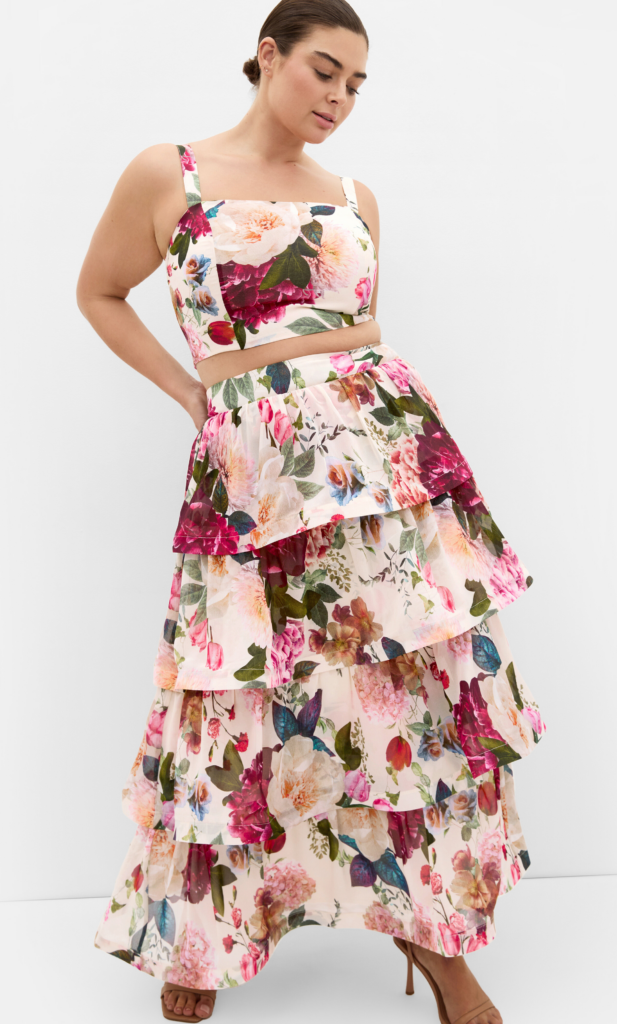
Leopard print, floral prints, abstract geometric patterns and color-blocked machimalism. All of it looks like confident, purposeful style when worn by the person who owns it. And plus size women always own it.
Bold prints are not a privilege for straight sizes. They are fabrics. It’s up to the person who wants to wear it.
The point of fashion is to make you feel emotional when you wear a print. Please wear it.
“Never wear crop tops.”
The fact that her stomach was visible was treated as a scandal. It still makes some people very uncomfortable. That discomfort is completely theirs.
Crop tops are comfortable, versatile, and perfect for warmer weather. Paired with high-waisted bottoms such as pants, jeans, and midi skirts, it creates a clean, proportionate look that’s suitable for a wide range of body types, including plus-size people.
The argument that plus-size women shouldn’t show their breasts has always been rooted in the idea that plus-size bodies are somehow unworthy of comfort or self-expression. We have never accepted that argument, and we are not starting now.
“I just wear heels to make my body look longer.”
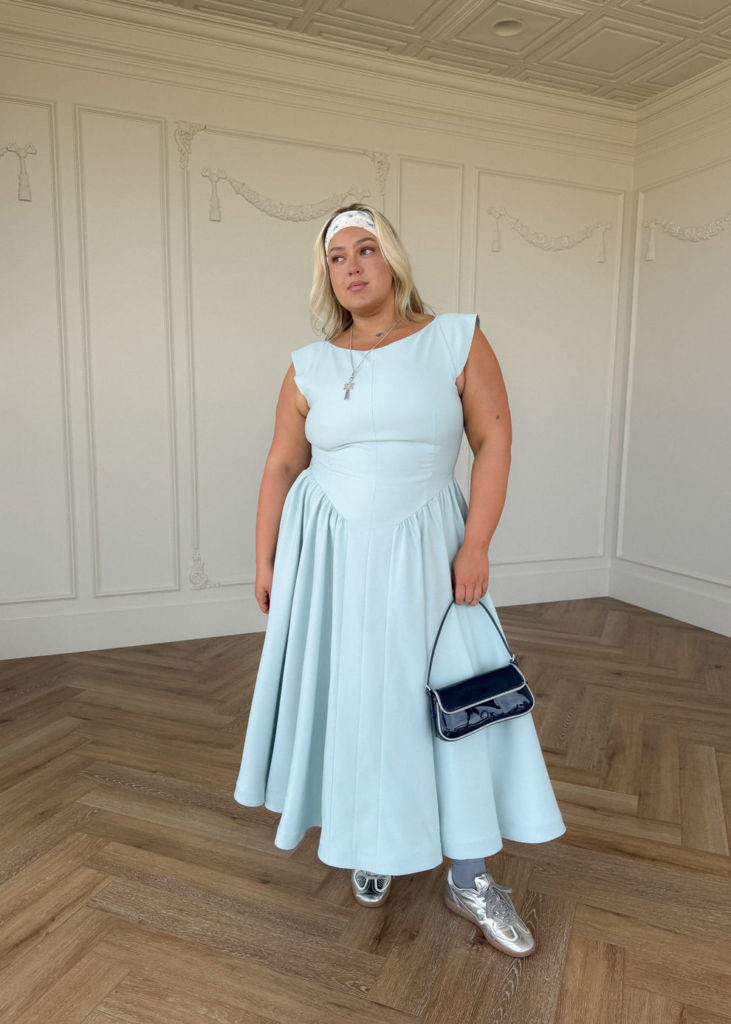
The heel advice existed to create the illusion of a slimmer, longer silhouette, but again, this assumes the goal is to look as non-plus-sized as possible.
Sneakers go well with the dress. Flat sandals go well with maxi skirts. Chunky loafers and wide-leg pants look great. Your shoes should serve your comfort, your lifestyle, and your personal aesthetic, not an unsolicited visual correction.
Heels are beautiful and worth wearing whenever you want. These are not fix-up tools.
“Avoid bodycon dresses.”
This has always been the most personal limitation and the most obvious one.
The logic was that dresses that fitted plus-size bodies were “excessive” and exposed too much of a figure that fashion had not yet decided was acceptable. The logic was never about taste. It was about visibility. About who occupies the space and in what form.
A bodycon dress that fits a plus size body perfectly is not a fashion mistake. It’s a plus size woman deciding how she wants to be seen and dressing accordingly.
Find the right fabric, the right stretch, and the right length for your comfort level. Then I put on the dress.
“Wear clothes to hide your curves, not to show them.”
This was always underneath everything else.
The rules about dark colors, loose fabrics, covered arms, and minimal silhouettes all point to the same directive: to make the body less noticeable. It occupies less space. Don’t remind people you’re there.
I don’t do that anymore.
Dressing to make your body look beautiful is not about vanity or rebellion, no matter how you look, what your size is, or what your current style era is. It’s just dressing the way you want. Without a permission structure that wasn’t designed to benefit users in the first place.
Gone are the days when dressing up disappears.
what we are doing instead
Ask better questions before you get dressed.
It’s not, “Does this make me look smaller?” But, “Will this allow me to be myself?”
It’s not “Is this suitable for my body type?” But, “Do I like this? Is it a good fit? Is it appropriate for where I’m going?”
Style is supposed to be a tool for self-expression. It must feel good. For too long, the conversation about plus size style has been built around restrictions on what not to wear, what to hide, and what to avoid.
TCF has always been the opposite. Something worth wearing. What brands are doing this? What looks incredible on real plus size bodies right now, without the asterisks.
That’s the conversation we’re continuing. The rules may remain.
What outdated style rules do you wish you had ditched in the past? Let us know in the comments.
Source: The Curvy Fashionista – thecurvyfashionista.com


