



As the graphic design industry grapples with the rapid integration of artificial intelligence, the role of designers is undergoing a fundamental transformation. With accessible AI design tools covering graphic design, logos, and branding, this rapid implementation comes with its own set of challenges. Whether it’s believing in algorithmic bias or job displacement.
for Harshal DudharwarFor the New York-based designer and art director with experience at prestigious institutions such as The New York Times, Pentagram, Microsoft, and 2X4, this is more than just a technological change. It calls for increased intellectual rigor.
Duddalwar, who holds a master’s degree from Rhode Island School of Design (RISD), has built a career at the intersection of structure, geometry, and human-centered storytelling. In the face of generative AI, he views his practice through the lens of an editor and even a curator.
“AI has changed the speed and scale at which ideas can be explored,” says Duddalwar. “What once took days can now be done in hours. This changes the role of designers. They spend less time creating variations and more time deciding what is worth pursuing.”
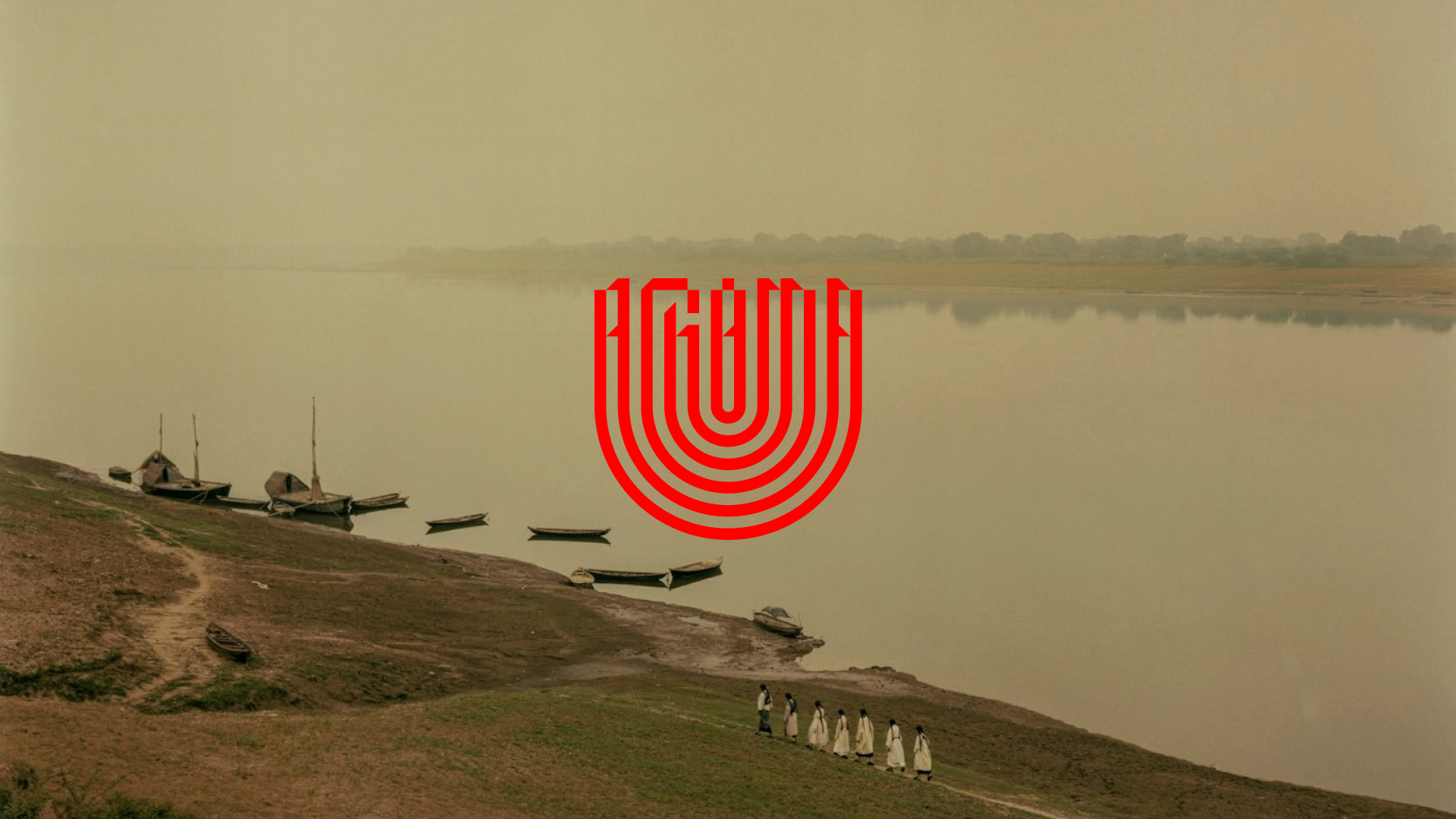
He sums up his creative process as follows: “Judgment becomes more important than execution.”
For Duddalwar, the democratization of creative tools means technical proficiency is no longer the differentiator. When barriers are lowered, value shifts to the designer’s own personal taste, intent, and creative clarity. He describes the current process as generative and editorial. We build from the ground up, selecting, refining and shaping ideas, sometimes taking on a more curatorial role. “It’s convenient, but it also requires more responsibility in its use,” he says.
However, there is also a risk of dependence. While AI brings unprecedented efficiency, Dudharwar warns of a creeping culture of complacency. He argues that when designers rely on automation without significant oversight, the result is often repetitive, bland, and purposeless work.
“The problem is not the tools themselves, but how they are used,” he says.
“When AI replaces thinking, work starts to feel generic. You see patterns repeating themselves without any intention behind them,” he explains. I think the role of a designer is to remain critical. Asking not just what something looks like, but why it exists. ”
For Duddalwar, AI needs to act as an extension of the designer’s intent. It does not replace their decision making. As long as designers maintain the “why” behind their work, technology will remain a tool (rather than a crutch).
Despite the growing shift towards digital and screen-based design, Duddalwar’s core philosophy remains rooted in human resonance. His approach to design is a kind of storytelling. A delicate balance of form, function and feel.
“Form gives the work clarity, function ensures it works in context, and emotion makes the work resonate,” he says. His process often begins with a structural foundation, the logic of grids and hierarchies, and then layers on emotion through pacing, imagery, or deliberate restraint. “I try not to force it. The goal is not to dramatize it, but to let the content itself carry weight.”
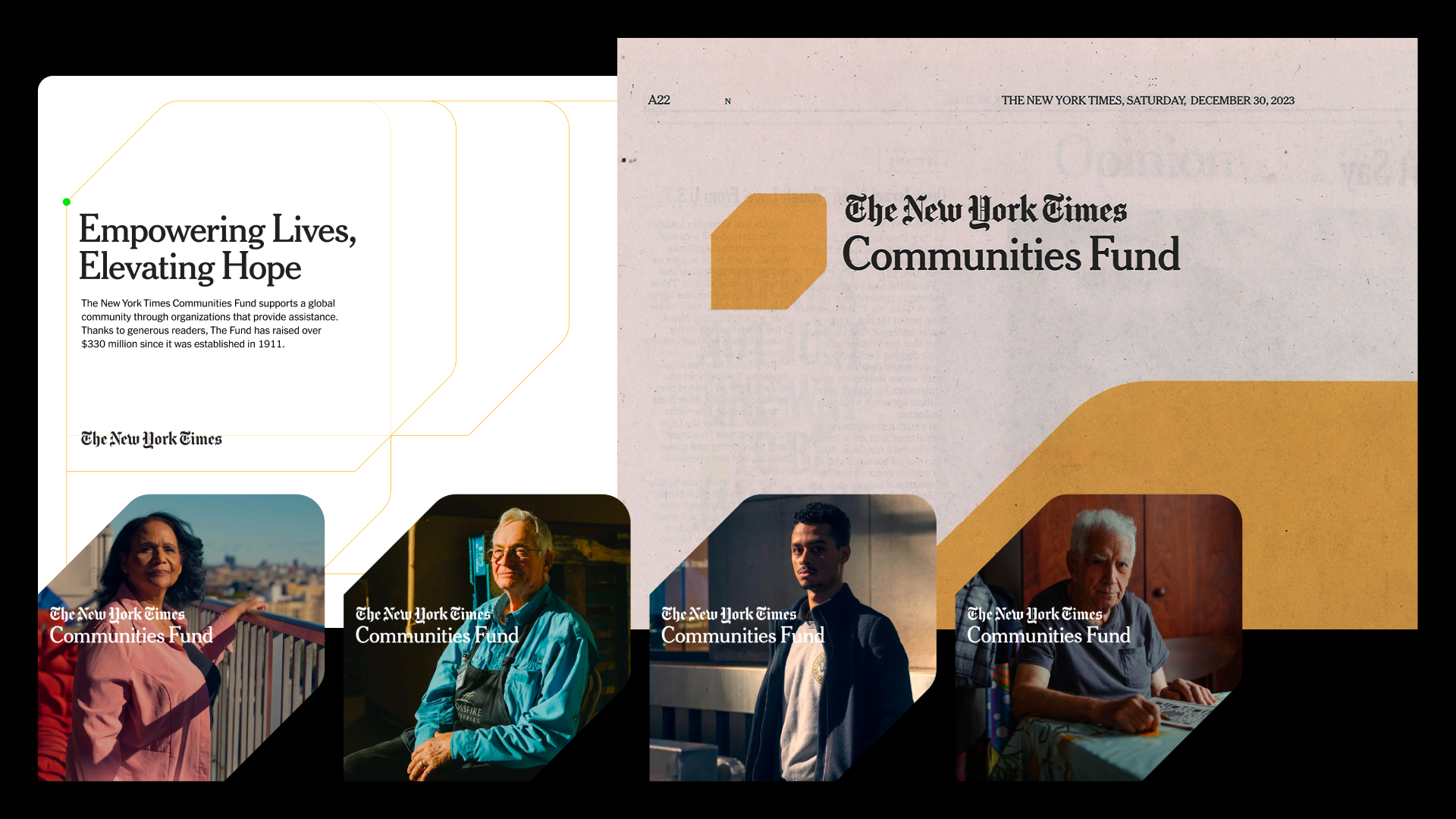
This idea is directly reflected in his approach to brand identity, where conceptual consistency and critical judgment are key.
Whether it’s shaping the New York Times’ systematic iconography across products like gaming, cooking, audio, wire cutters, athletics, etc., Duddalwar sees AI as a useful tool for visualization, but not a replacement for a strong conceptual foundation. Rather, he suggests that living in an age of infinite digital variation makes a clear and consistent identity more valuable than ever.
“At The New York Times, the emphasis was often on clarity and tone over novelty, especially in audio and editorial visual work,” he says. “The goal was to create a system that felt grounded and human, yet could support a wide range of stories.”
As AI and automation expand, emotion, empathy, and a human perspective will become hallmarks of creative work, Dudharwar points out.
“As more tasks are automated, the value of the human perspective becomes more apparent,” he explains. “AI can replicate patterns, but it doesn’t have lived experience. It can’t understand context the way humans can. Emotion and empathy come from that understanding. They shape how something is communicated and how it is received. I think you’ll start to notice more of a difference. It feels like it’s been considered, and the pieces that reflect your point of view will stand out. It’s about grounding the work in reality, rather than adding emotion in an artificial way. That’s where the design can remain clear.”
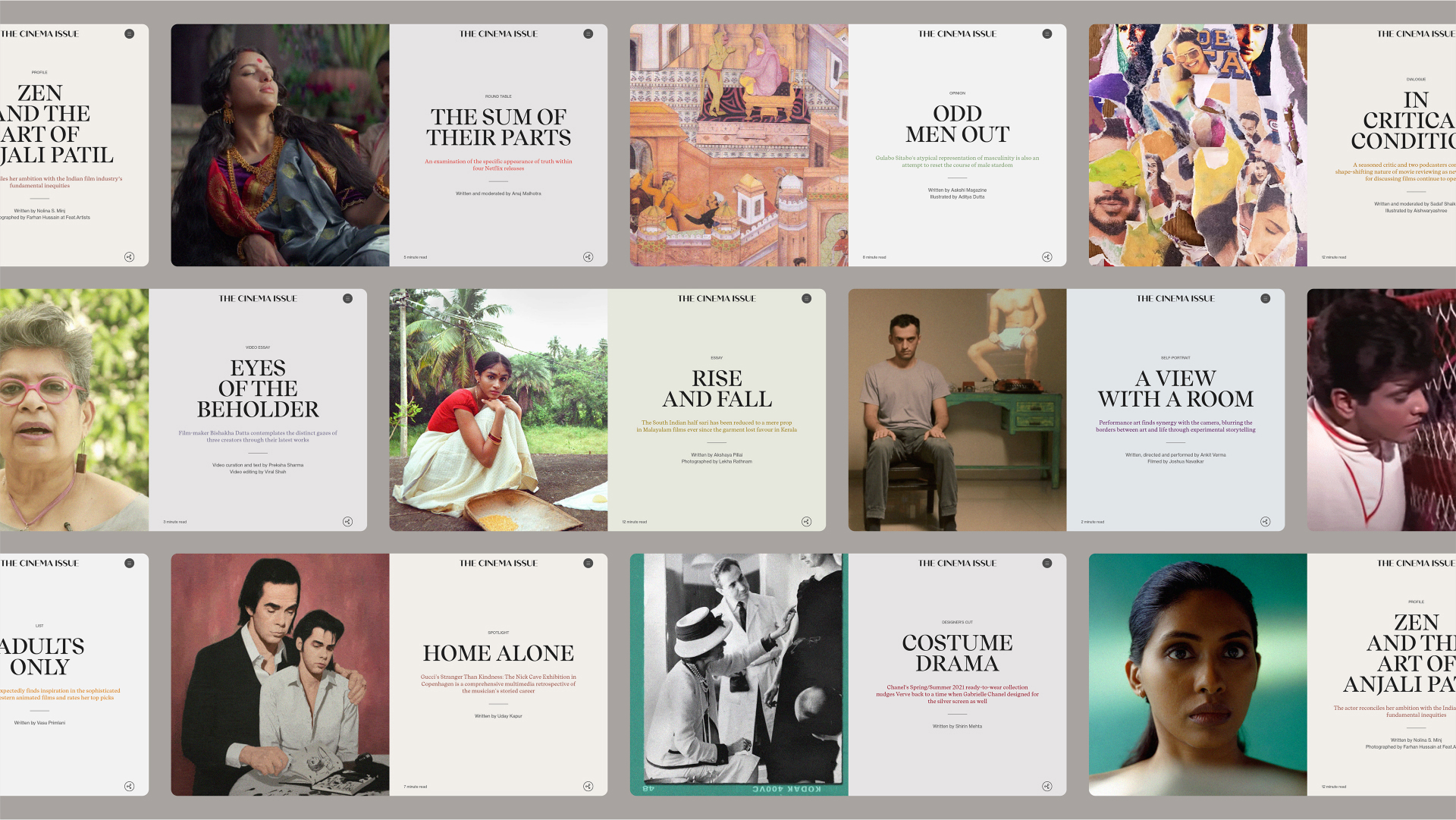
Across his work in brand identity, visual systems, digital products, and editorial design, restraint becomes a form of creative expression.
“A lot of the design decisions came down to restraint,” he said. “It was important to let the typography, pacing, and imagery tell the story without over-designing. Even when working at scale, we tried to pay attention to how each piece was presented. That consistency builds trust.”
The rise of automation does not diminish the role of designers. Rather, it pushes them to be more intentional, more critical, and ultimately more human.
Duddalwar said: “It may not be immediately visible, but over time it shapes how people experience and connect with the work.”
Visit Harshal Duddalwar’s website. Hersuald.com.
Source: Our Culture – ourculturemag.com


