



There’s something about summer that makes grilling impossible. The longer days, the feeling of being pulled into the backyard, the special joy of holding something cold and cooking outside, all become one of my favorite rhythms of the season. For our family, grilling has become less about who is “in charge” of dinner and more about a ritual of getting out together and enjoying the process rather than rushing to get food to the table.

7 grilling tips home cooks need to know before summer
For years, I’ve let my grill feel like someone else’s domain. But once I learned a few basic techniques, I realized it was one of the easiest and most satisfying ways to cook in the summer. The right tools, a little confidence, and a general understanding of heat, timing, and preparation are all you need. Here are 7 rules for grilling that have changed the way I cook outside.
1. Please take a rest
For chicken, beef, and pork, remove from the refrigerator about 30 minutes before grilling. Adding ice-cold meat to a hot grill can cause it to burn on the outside before it’s cooked through. Bringing it closer to room temperature will result in more even cooking and a better final texture.
Once you remove the meat from the grill, don’t rush into slicing it. Letting it rest on a plate lined with aluminum foil for 5 to 10 minutes will give the juices time to redistribute instead of draining out the moment you cut them. It’s a small step, but it will make your grilled chicken, steak, or pork noticeably juicier and more flavorful.
2. Preparing the grill
Allow the meat to come to room temperature before preparing it for grilling. First, preheat with the lid closed for at least 15 minutes to give it time to reach the right temperature. Using a hot grill creates beautiful grill marks and prevents food from sticking. When it’s hot, use a grill brush to remove any residue from the last cook. Starting with clean grates is one of the easiest ways to achieve better flavor, cleaner grill marks, and more even cooking.
3. Select heat
There are two types of heat you should know about before you start grilling: direct heat and indirect heat. Direct heat means the food is placed over a flame and is ideal for things that can be cooked quickly and seared well, such as steaks, burgers, chicken breasts, shrimp, vegetables, or anything that can be cooked in about 15 minutes or less.
Indirect heat, also known as radiant heat, is best for large cuts of meat, bone-in pieces, or anything that needs to cook for a long time without drying out. Vegetables like whole chickens, ribs, thick pork chops, or eggplants are tender and deeply flavored when cooked slowly. If the outside of your food starts to cook prematurely or flares up before the inside is done, simply move it to a cooler part of the grill for more control and even cooking.
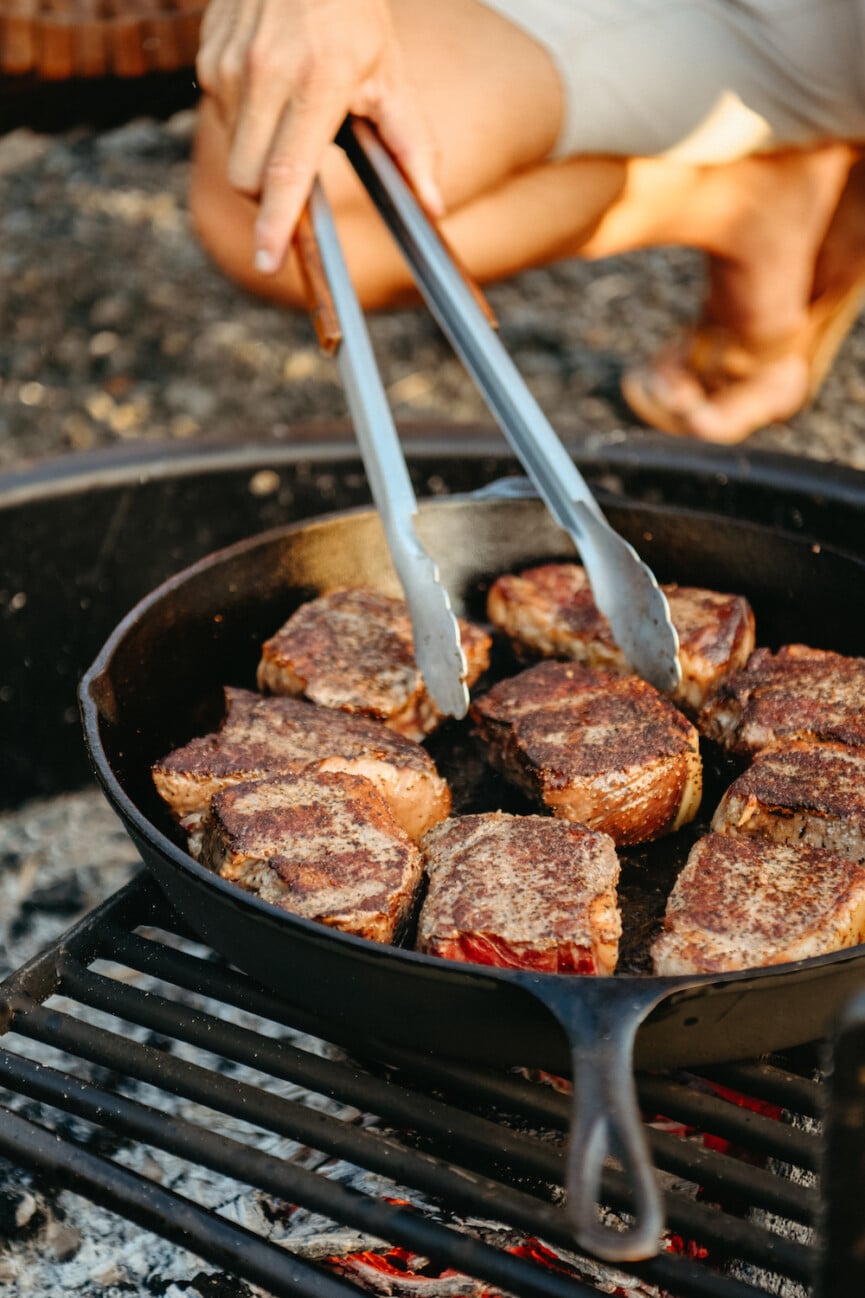
To make the perfect New York strip steak, sear both sides over direct heat, then transfer to indirect heat for the final minutes of cooking. My vegetables cook quickly, so most of them can be cooked from start to finish over direct heat.

4. It’s all in it
My favorite way to eat vegetables is to brown them a little bit, but almost all vegetables taste better when they are quickly sautéed on the grill. Some nutritious vegetables, such as carrots, sweet potatoes, and winter squash, benefit from blanching or parboiling them first. But for most summer vegetables, all you need is a drizzle of olive oil, a generous sprinkle of salt, and your favorite seasonings.
That being said, the way you cut your vegetables is important. Make sure they’re big enough so they don’t fall off the grill grates, and cut them all into similar sizes so they cook at the same pace. Asparagus and green beans can be eaten whole. Cut the zucchini and eggplant into beautiful long spears. Simply cut the tomatoes and peppers in half and place them cut side down on the grill.
Grilled vegetables are my go-to summer menu because they’re simple, colorful, and go with just about everything on the table. Serve it as is, serve it on a platter, or make it a little more special with a dipping sauce like chimichurri, pesto, romesco, or bright citrus aioli.
5. Close the lid
I used to be confused whether to bake with the lid open or closed. Then, in a cooking class many years ago, my teacher explained it in a way that finally made sense to me. Leaving the lid closed traps the heat and creates that delicious smoky aroma that occurs when fat and juices hit the flame and evaporate.
What about the lesson? Keep the lid closed as much as possible. It helps retain heat, promotes more even cooking, and gives grilled meats, vegetables, and seafood that coveted smoky, grilled flavor.
6. Resist the urge to turn around.
You know that guy standing over the grill with tongs in hand and flipping everything every few seconds? Don’t let that happen. If you keep the ingredients in one place, it will take longer for the delicious caramelization to occur. This is the essence of grilling in the first place.
Resisting the urge to move or flip your food frequently will give you better flavor, gorgeous sear marks, and that sweet, crispy crust that everyone loves. As a general rule, flip the food once it comes off the grill naturally. If it’s stuck, it will probably take another minute.
7. You can grill almost anything (even desserts)
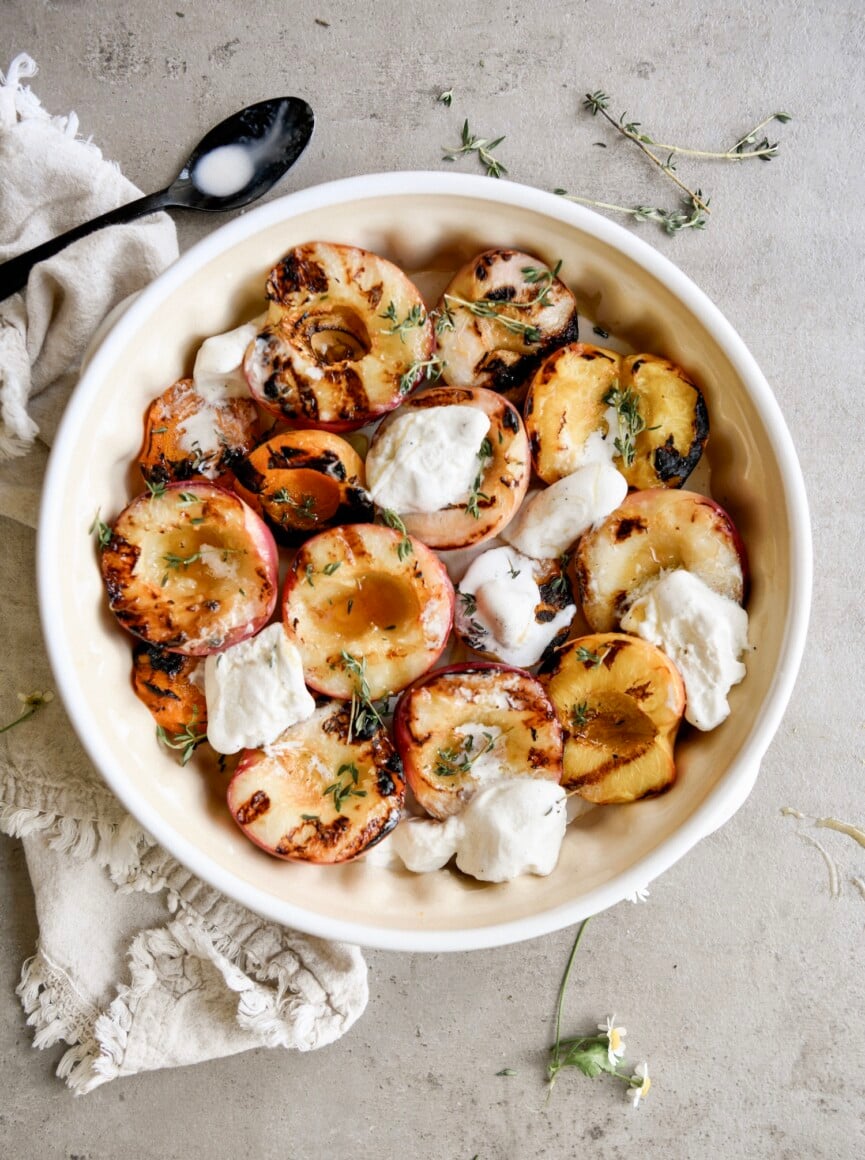
It’s fun to try out unexpected ingredients on the grill, and I’ve discovered that you can grill a lot more than just meat and vegetables. My new favorite summer dessert is grilled peaches with ice cream. This is a great technique for almost all stone fruits, as the heat brings out their natural sweetness and keeps them looking great on the grill.
You can use it for pound cake slices, foil-wrapped s’mores, and even grill citrus for cocktails and desserts. Ending the night with something sweet over a fire feels a little unexpected, in a good way. Another reminder that grilling is as much a ritual as it is a recipe.
There’s something about a night around the grill that makes you want to put down your phone and actually enjoy some fun summer moments with family and friends. So consider this a sign to try something new, keep it simple, and make some delicious memories in the season ahead.
This post was last updated on June 14, 2026 with new insights..
Grilled New York Strip Steak with Chimichurri
For 4 people
7 Grilling Rules Every Summer Cook Should Know
material
Instructions
- One hour before grilling, remove the steaks from the refrigerator and let them come to room temperature.
- Preheat grill to 350 degrees. Pat the steak dry with paper towels, drizzle both sides with olive oil, and season generously on all sides with Montreal Steak Seasoning.
- Place the steak on the grill, close the hood, and make sure it maintains an even temperature of 350 degrees. Check occasionally to make sure there are no flare-ups. If it flares up, use tongs to gently move the steak to a cooler part of the grill.
- Cook the steak for 8 minutes on each side, turning only once, for medium-rare. Transfer to a cutting board and let rest for 10 minutes, then slice into 1-inch pieces. Please eat.
“Shortcut” chimichurri
material
Instructions
Add all chimichurri ingredients to a blender and puree until almost smooth. I like to leave beautiful flecks of fresh cilantro visible. Transfer to a small bowl and serve with sweet potatoes or steak.
Source: Camille Styles – camillestyles.com


