



My last medical exam had some notes I had never seen before. My ferritin was at the low end of normal, so borderline that my doctor advised me to be careful before it became a real problem. My first instinct was to grab a supplement off the shelf. But she pushed me away and told me to try first with iron-rich foods and then retest in a few months.
What foods are high in iron?
Short answer: The most iron-rich foods are liver, shellfish, lean beef, lentils, spinach, and tofu, as well as fortified cereals, seeds, and some foods that are completely omitted from most lists, such as dark chocolate and black molasses. However, getting enough iron isn’t just about which foods you eat. What you eat with it is also important, as vitamin C increases absorption, but coffee, tea, and calcium can significantly reduce absorption.
🔑 Important points
- Iron comes in two forms: heme iron from animal foods, which the body absorbs efficiently, and nonheme iron from plant foods, which is absorbed much less efficiently.
- The RDA ranges from 8 mg per day for adult men to 27 mg per day during pregnancy, with an upper limit for adults of 45 mg including food and supplements.
- Liver is the most iron-rich of all common foods, and most “iron-rich foods” lists exclude liver completely.
- Vitamin C promotes the absorption of non-heme iron, but coffee, tea, and calcium can significantly block non-heme iron absorption when consumed with the same meal.
- Cooking acidic foods in cast iron cookware visibly increases the iron content of the food itself.
Why is iron important?
Iron is a component of hemoglobin, a protein in red blood cells that carries oxygen throughout the body. When you don’t have enough iron, cells throughout your body are starved of oxygen, leading to the fatigue, pale skin, and shortness of breath associated with iron deficiency. According to the National Institutes of Health Office of Dietary Supplements, iron deficiency is the most common nutritional deficiency worldwide (1).
Heme and non-heme: why is it important?
Heme iron can be obtained from animal foods and is efficiently absorbed. Non-heme iron is derived from plant foods and is therefore very poorly absorbed.
This distinction explains much of the confusion regarding “iron-rich” food lists. Heme iron comes from meat, poultry, and seafood, and the body absorbs a significant portion of it directly. According to Harvard University Nutritional Sources, non-heme iron comes from plant sources such as beans, spinach, and fortified grains, and is absorbed by the body at a much lower rate, often in the single digits as a percentage (2). That doesn’t mean plant-based iron sources are useless. If plants are your main source of iron, the combination and amount just become more important.
Actual amount of iron needed
The recommended daily intake of iron varies more by life stage than most other nutrients.
| life stage | RDA |
|---|---|
| Adult men (19 years and older) and postmenopausal women | 8mg/day |
| Female 19-50 years old | 18mg/day |
| pregnancy | 27mg/day |
| lactation period | 9mg/day |
| Teenage boy (14-18 years old) | 11mg/day |
| Teenage girls (14-18 years old) | 15mg/day |
On the other hand, the tolerable upper limit for adults is 45 mg per day, above which gastrointestinal problems are likely to occur. Therefore, just because you reach your goal does not automatically mean you will increase your intake (1).
🔬 The science of iron absorption
Vitamin C is the most reliable substance that promotes the absorption of non-heme iron, and absorption can be increased several times when combined with a diet rich in phytates. On the other side of the equation, tannins found in coffee and tea can bind non-heme iron and significantly reduce its absorption when consumed with the same meal. Studies have shown that drinking tea an hour after an iron-containing meal can significantly reduce this suppressive effect (3). Calcium competes with iron for absorption when taken together, whether from dairy products or supplements, and phytate, found in whole grains and legumes, has a similar inhibitory effect.
15 iron-rich foods to add to your diet
Sources of heme iron from animal sources
Heme iron sources provide the most useful iron per serving because they are absorbed by the body much more efficiently than non-heme iron from plants.
| food | waiter | iron |
|---|---|---|
| liver (beef) | cooked 3 oz. | ~5mg |
| oyster | cooked 3 oz. | ~8mg |
| mussels | cooked 3 oz. | ~5.7mg |
| Clam | cooked 3 oz. | ~2.4mg |
| lean beef | cooked 3 oz. | 2-3mg |
Liver is the most iron-rich common food, but most lists omit it completely, probably because of its taste and texture rather than its nutritional profile. In addition to iron, it also provides significant amounts of vitamins A and B12. Shellfish follow suit, with oysters in particular being one of the most concentrated sources of heme iron. If you love shellfish, New Orleans Seafood Gumbo is a great way to mix shellfish together in one pot. For beef, our classic meatloaf recipe is an easy way to achieve a sure-fire recipe without much effort on a weeknight.
A note about clams: The iron content of clam products varies greatly depending on how they are prepared, and can be up to 10 times higher when they are minced, whole, canned, or fresh. The numbers above reflect fresh cooked clam meat, not the 23.8 mg figure for canned clams often cited on many nutrition sites, and go back to a single old USDA table that is now considered contradictory.
Plant-based non-heme sources
Non-heme sources are less efficiently absorbed, so combining non-heme sources and vitamin C foods in the same meal is more important than anywhere else on this list.
| food | waiter | iron |
|---|---|---|
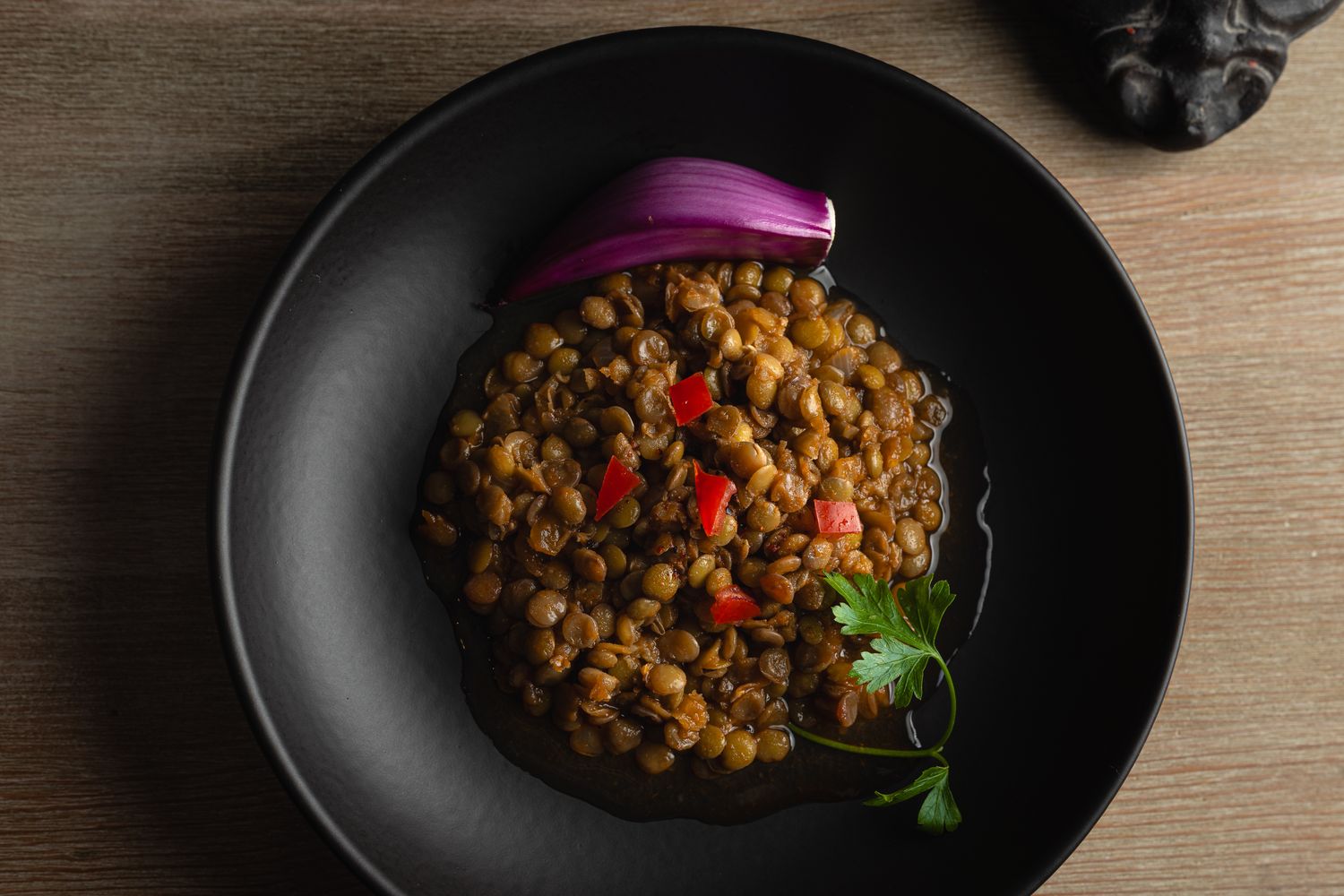
| lentils | 1 cup cooked | ~6.5mg |
| white kidney beans | 1 cup cooked | ~7mg |
| spinach | 1 cup cooked | ~6mg |
| Edamame | 1 cup cooked | ~3.5mg |
| Tofu | 1/2 cup | ~3.4mg |
| Quinoa | 1 cup cooked | ~3mg |
White beans and lentils are two of the most powerful plant-based sources available, and both can be combined with a squeeze of lemon or a tomato base to compensate for the reduced absorption of non-heme iron. Our red lentil soup already combines lentils and tomatoes, a perfect combination not only for flavor but also for absorption. Spinach has a similar effect, and spinach artichoke dip is a great excuse to eat more spinach. Tofu is one of the more convenient options for people on a plant-based diet, and if you keep it on hand regularly, you can avoid throwing it away before you can use it with our guide to how long tofu lasts.
Fortified foods and daily additions
These nutritional sources don’t replace meals, but they add up quickly when you work on them during a typical week.
| food | waiter | iron |
|---|---|---|
| iron-fortified cereals | 1/2 cup | 4-6mg |
| Dark chocolate (70% or more cocoa) | 1 oz | 3-4mg |
| blackstrap molasses | 1 tablespoon | ~3.5mg |
| pumpkin seeds | 1 oz | ~2.3mg |
| dried apricots | 1/2 cup | ~2mg |
| Sesame | 1 tablespoon | ~1.3mg |
If you eat it every day, choose unsweetened iron-fortified cereals. That’s because the fortification doesn’t compensate for the added sugar in dessert-like versions. Dark chocolate, which has a high percentage of cocoa, provides a surprising amount of iron, along with antioxidants that milk chocolate cannot provide. Blackstrap molasses, which is what’s left after sugar cane is processed to remove the sugar crystals, is worth special attention because it contains much more iron than regular molasses or other sweeteners. Tahini, ground sesame seeds, is an easy way to incorporate sesame seeds into hummus and dressings without even realizing they’re there.
See also
🔬 Cast Iron Tricks Skip most of the list
Cooking acidic foods, such as tomato sauce, in a cast iron skillet visibly increases the iron content of the food itself, as small amounts of iron leach from the skillet into the food during cooking. A systematic review published in the Nepali Journal of Epidemiology found consistent increases in both food iron content and blood hemoglobin concentrations associated with cooking with iron cookware.4). This is a small, free boost that is rarely mentioned in iron-rich food lists.
People who should be careful about iron content
⚠️ Upper limit warning
More iron doesn’t automatically mean better. People with hemochromatosis (a genetic disorder that causes the body to absorb too much iron) should actively limit their iron intake rather than increase it, and should work with their doctor rather than following general dietary advice. For most other adults, keeping food and supplements under the 45mg limit combined will keep you in safe territory. Excess iron is much more of a supplement-related problem than a food-related problem, so it’s rare to reach that limit with whole foods alone.
signs you may be depressed
⚠️ Signs of iron deficiency
Fatigue, pale skin, shortness of breath during normal activities, and unusual cravings for ice and starch are some of the more common signs of iron deficiency, but these overlap with many other symptoms. If several of these are occurring at the same time, a blood test that includes ferritin is the most reliable method, rather than adjusting your diet based solely on symptoms. Our guide to iron deficiency risk factors details who is most likely to be affected.
Tips for getting more iron from food
- Combine non-heme iron sources like lentils and spinach with vitamin C-rich foods like tomatoes, citrus fruits and peppers in the same meal.
- Instead of drinking coffee or tea with your highest iron-rich meal of the day, wait an hour or so away from that meal.
- If needed, cooking acidic sauces in cast iron cookware can provide a small, free iron supplement.
- Batch-cooking a large pot of lentil or bean soup at the beginning of the week is an easy way to get your iron boost that you don’t have to think about every day.
- If you are a vegetarian or vegan, give more weight to the above combination strategy as non-heme iron is your main or only source.
FAQ
What foods have the highest amount of iron?
Liver is the most iron-rich common food, containing more iron per serving than shellfish, beef, or any plant-based source on this list.
Does coffee really inhibit iron absorption?
yes. The tannins in coffee and tea can bind non-heme iron and significantly reduce the amount your body absorbs from the same meal. It is helpful to space out coffee and tea after iron-rich meals.
What is the best way to absorb more iron from plant foods?
Combine non-heme iron sources like lentils and spinach with vitamin C-rich foods like tomatoes, citrus fruits and peppers in the same meal.
Is it possible to get too much iron through diet alone?
The body regulates absorption quite well, so it’s rare to get it from whole foods alone. Excess iron is much more of a supplement-related problem than a food-related problem.
Is plant-based iron as good as animal-based iron?
Milligrams are not milligrams. Non-heme iron from plants is absorbed less efficiently than heme iron from animal sources, so combination and amount are more important in a plant-based diet.
Does cooking with cast iron actually add iron to your food?
Yes, a small amount of iron is drawn into the food from the pan during cooking, especially with acidic foods like tomato sauce.
Read more
Better Living earns commissions through affiliate links and may feature sponsored and partner content. If you make a purchase through our links, we may receive a small commission at no cost to you.
Source: Better Living – onbetterliving.com


