



A dress can look beautiful on a hanger and still fail the real-life test. The waist may feel restrictive after lunch, the fabric may trap heat during a commute, or the hem may make walking and sitting awkward. For American shoppers, those practical considerations increasingly matter.
Mintel’s 2025 U.S. Adult Clothing Market Report found that 78% of adults value comfort over trends, while 42% struggle to find clothing that fits well. Grand View Research’s U.S. casual-wear consumer survey similarly found that 90% of consumers wear casual clothing several times a week or more, including 74% who wear it daily.
Dresses are well positioned to meet that demand because a single garment can create a complete outfit while still leaving room for personal styling with shoes, layers, accessories, and outerwear. Circana ranks dresses among the three largest apparel categories by sales, although its April 2026 data spotlight recorded a 6.6% decline in dress sales.
That decline may suggest that shoppers are becoming more selective about which dresses earn a place in their wardrobes.
The Relaxed Midi Dress
A midi hem typically falls below the knee and above the ankle, providing more coverage than a mini dress while allowing greater freedom of movement than a floor-length style.
Its versatility also aligns with changing shopping habits. According to ThredUp’s 2025 Resale Report, 59% of consumers say they are becoming more intentional about buying fewer, higher-quality pieces that can be worn in multiple ways, making adaptable wardrobe staples increasingly valuable.
Its comfort comes from a loose or gently shaped silhouette that reduces pressure around the waist and hips, while thoughtful details such as a defined shoulder, structured neckline, or clean seam prevent the dress from looking oversized or shapeless. This balance between ease and structure allows the fabric to move naturally while maintaining a polished silhouette.
That versatility makes the relaxed midi dress suitable for errands, casual offices, travel, coffee dates, and informal dinners with only minor styling adjustments. A cotton-poplin version creates a crisp daytime outfit when paired with flat sandals or sneakers, while a soft jersey style feels more casual with a denim jacket and low-profile shoes.
Accessories can further change the overall look: a belt adds waist definition, a cardigan provides warmth, and a structured tote elevates the outfit for a more refined appearance. The styling principle behind the relaxed midi dress is straightforward: combine one relaxed element with one polished element.
The Shirt Dress
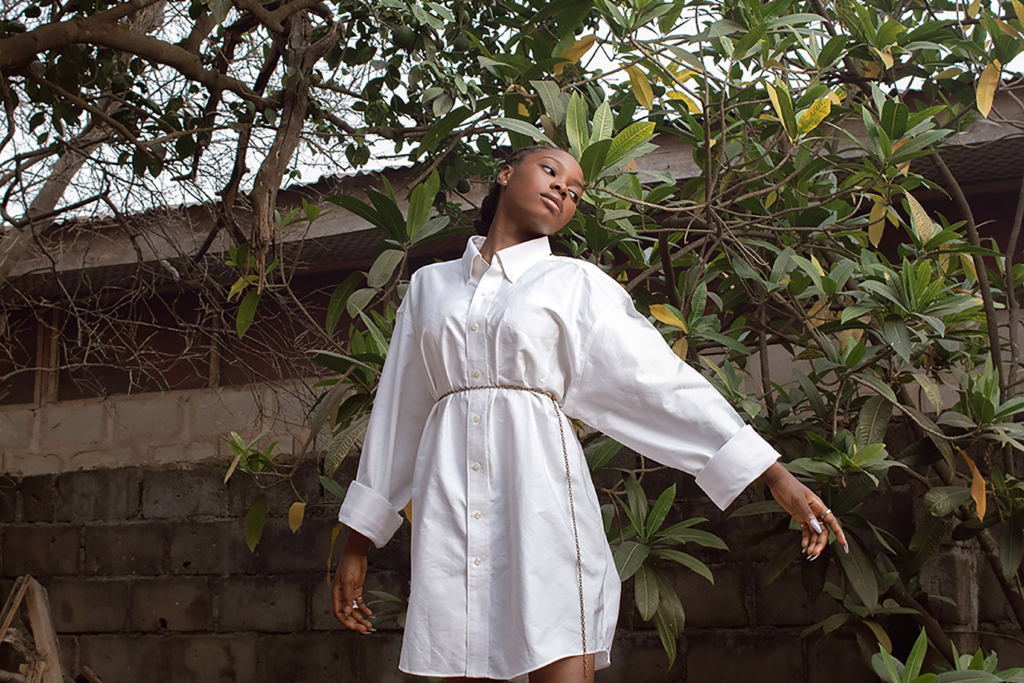
The shirt dress combines the comfort of a relaxed garment with the visual order of a collar, button placket, cuffs, or a defined waist. That construction gives the style unusual versatility because small adjustments can change how the garment functions throughout the day.
A cotton-poplin shirt dress can provide structure, while a softer cotton blend can create a more relaxed drape. The button-front design also allows the wearer to adjust ventilation and layering, making the garment more adaptable than a dress with a fixed neckline.
The shirt dress works particularly well for wardrobes that need one garment to cover several settings. Wear it loose with sneakers for a casual day, add a belt for more definition, or leave several buttons open over a fitted top to create a long overshirt effect.
A midi version can move from daytime to dinner with a change in footwear and accessories. The garment’s success comes from its built-in structure: the collar and buttons create visual definition, while the relaxed body preserves movement.
That combination allows the dress to look polished without requiring a highly fitted cut. A useful technical rule is to evaluate the shirt dress in three positions, standing, sitting, and walking, because a comfortable garment must perform beyond the fitting-room mirror.
The Wrap Dress
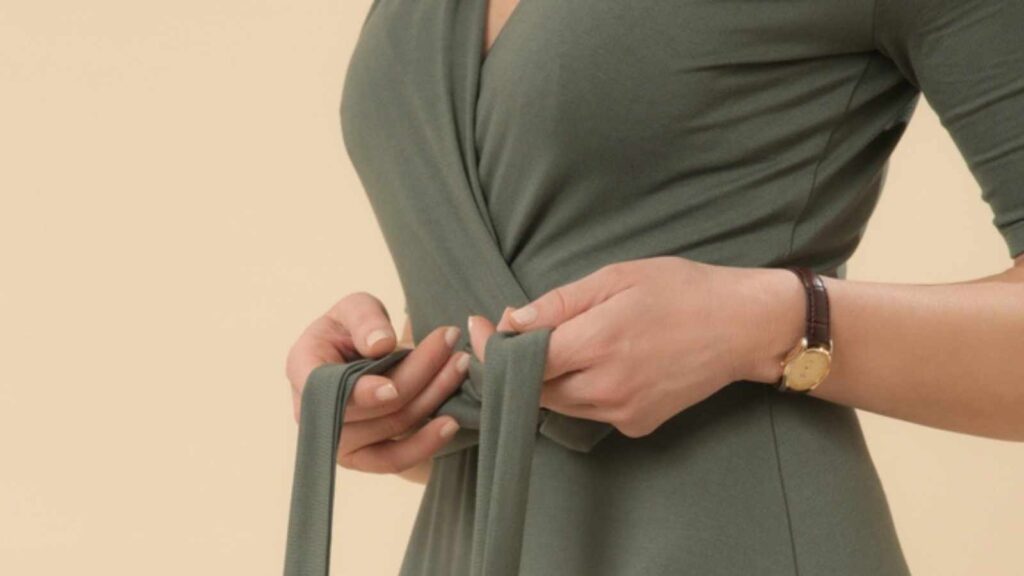
The wrap dress features an adjustable construction that lets the wearer control the fit around the torso, making it one of the most adaptable dress styles available. Instead of relying entirely on a fixed waistline, overlapping front panels and a tie-or-fastening system allow for small fit adjustments.
The V-shaped neckline and diagonal front lines also create a strong visual direction, while the adjustable waist provides definition without the rigidity of a tailored garment. The design therefore addresses two different needs at once: physical flexibility and visual structure.
Fabric choice determines how successfully the wrap dress performs. A lightweight jersey can provide stretch and easy movement, while woven cotton or soft crepe can offer more structure. The most practical versions provide enough coverage at the front and maintain a secure fit during normal movement.
For a daytime outfit, pair the dress with simple sandals or sneakers and a crossbody bag. A more formal version can work with low heels, a compact handbag, and restrained jewelry. The wrap dress succeeds because its adjustable construction responds to the body more easily than a rigid, fixed-waist design. In technical terms, it offers a larger fit range while maintaining a recognizable silhouette.
The Knit Dress
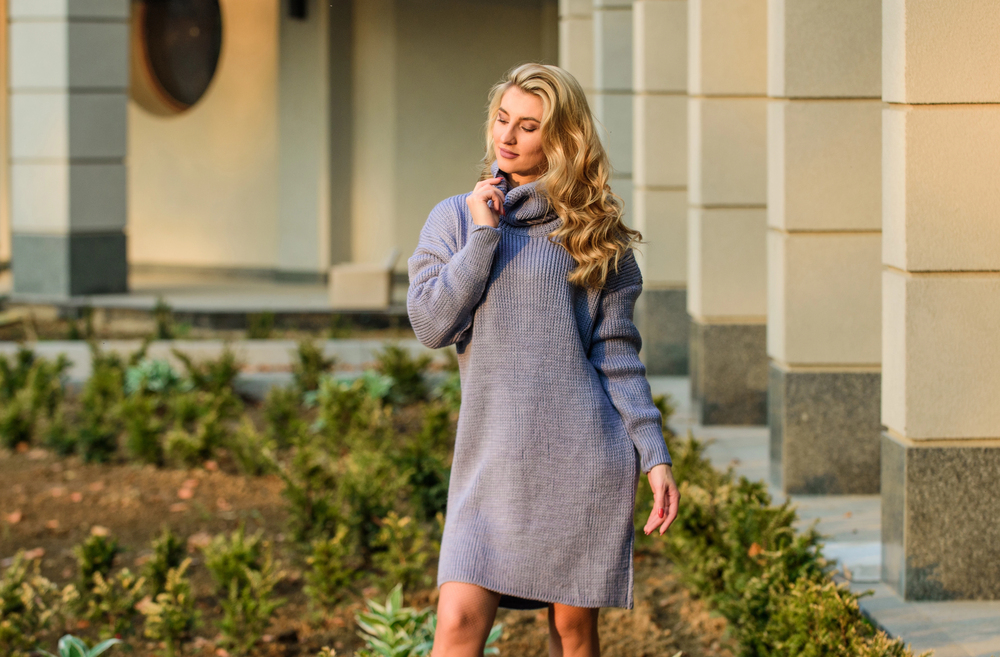
A knit dress can deliver the visual simplicity of a single-piece outfit while offering the flexibility associated with stretch fabrics. Its appeal also aligns with broader shifts in fabric preferences. Textile Exchange reports that demand for natural, breathable fibers continues to grow as consumers increasingly prioritize comfort, durability, and lower-impact materials in their clothing choices.
Ribbed knits often provide greater stretch and recovery, while finer jersey knits create a smoother drape. A dress with moderate stretch can move comfortably through sitting, walking, and everyday activity, but excessive stretch may cause the fabric to cling or lose its shape. The best choice depends on the intended use, climate, and preferred level of structure.
The key to styling a knit dress rests in balancing its simplicity with contrasting textures and proportions. A midi knit dress can look relaxed with sneakers and a canvas tote, then become more polished with ankle boots and a structured jacket.
A loose cardigan can create a soft layered outfit, while a cropped jacket can add sharper definition. The knit’s uninterrupted surface also creates a clean base for accessories. The result feels comfortable without automatically looking like loungewear because the outfit gains structure through footwear, outer layers, or accessories.
The Fit-and-Flare Dress
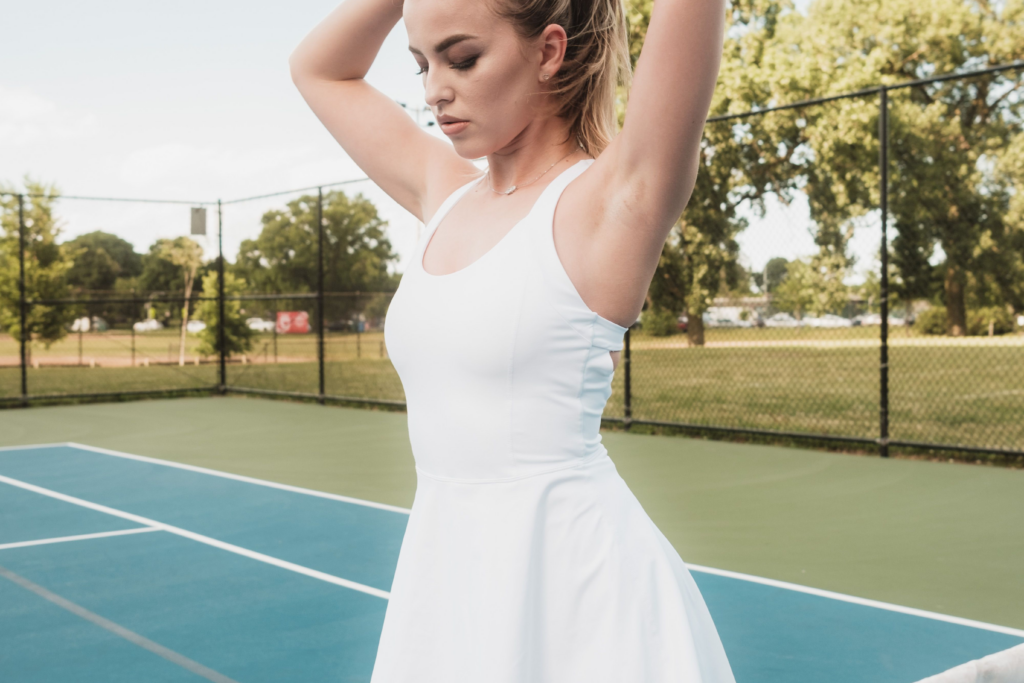
The fit-and-flare dress creates contrast between a more defined upper body and a skirt that widens away from the waist. That shape provides movement through the lower half of the garment while maintaining a clear visual structure through the bodice.
The silhouette can provide ease through the skirt without requiring the entire garment to be loose. A moderate flare can make walking and sitting easier than a narrow skirt, while excessive fullness may add unnecessary fabric and weight. The most versatile versions maintain enough movement without creating bulk.
This dress style adapts easily to different settings because its proportions already create a polished appearance. A simple cotton fit-and-flare dress can work with sneakers for daytime, ballet flats for a softer look, or low boots during cooler weather.
A lightweight cardigan can add warmth without overwhelming the shape, while a cropped jacket can emphasize the waistline. Prints can also work effectively because the silhouette provides a clear framework for the pattern.
The technical styling principle is proportion management: a fuller skirt benefits from a relatively clean upper layer, while a structured jacket can provide balance without competing with the dress.
The A-Line Dress
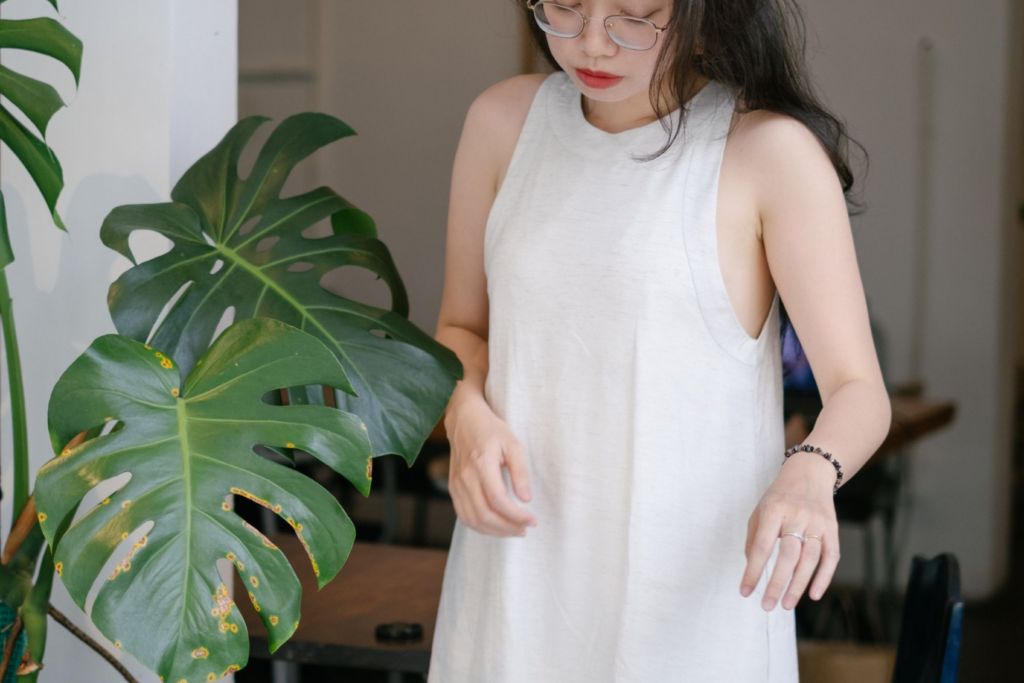
An A-line dress can provide a relaxed lower half while maintaining a clean silhouette from the shoulders to the upper torso.
A lightweight version can feel especially comfortable in warm weather because the space between the garment and the body allows greater air movement. Fabric weight and construction still matter, but controlled volume can provide ease without making the entire outfit look oversized.
A-line dresses provide a flexible foundation for different styling directions. A shorter version pairs well with sneakers or flat sandals for casual outfits, while a midi version creates a more polished look with loafers or ankle boots.
A fitted cardigan can add definition, while a relaxed jacket can create a more casual layered look. The silhouette also works well with bold prints because its clean shape allows the pattern to remain visible without excessive seams interrupting the design.
For a wardrobe focused on comfort and repeat wear, the A-line dress offers a strong combination of movement, simplicity, and styling flexibility.
The T-Shirt Dress
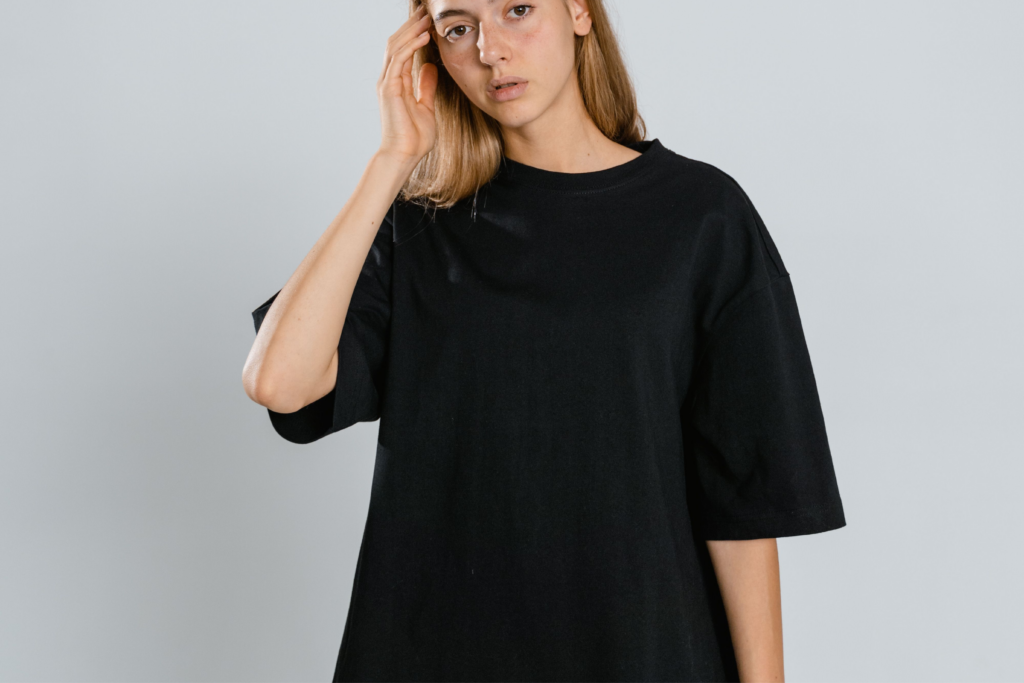
The T-shirt dress takes the familiar comfort of a casual knit top and extends it into a complete outfit. Its appeal comes from straightforward construction: soft jersey fabric, a simple neckline, short or long sleeves, and a relaxed silhouette.
Cotton-rich jersey provides softness and breathability, while a small amount of stretch can improve movement and help the fabric recover its shape after wear. The ideal fabric strikes a balance between comfort and structure; a material that is too thin may cling or lose its shape, while one that is too heavy can feel warm and restrictive.
Styling determines how far the T-shirt dress can travel beyond casual wear. Sneakers and a baseball cap create a relaxed weekend look, while a structured jacket and loafers can make the same dress feel more polished.
A belt can add definition, although the dress does not require a fitted waist to look complete. Accessories such as a long pendant necklace, a structured handbag, or layered outerwear can add visual interest without making the outfit complicated.
The T-shirt dress is especially practical for travel because it combines low-maintenance construction with a simple silhouette. One dress can create multiple outfits when paired with different shoes, accessories, and layers, reducing packing decisions while maintaining a comfortable, put-together appearance.
The Tiered Dress
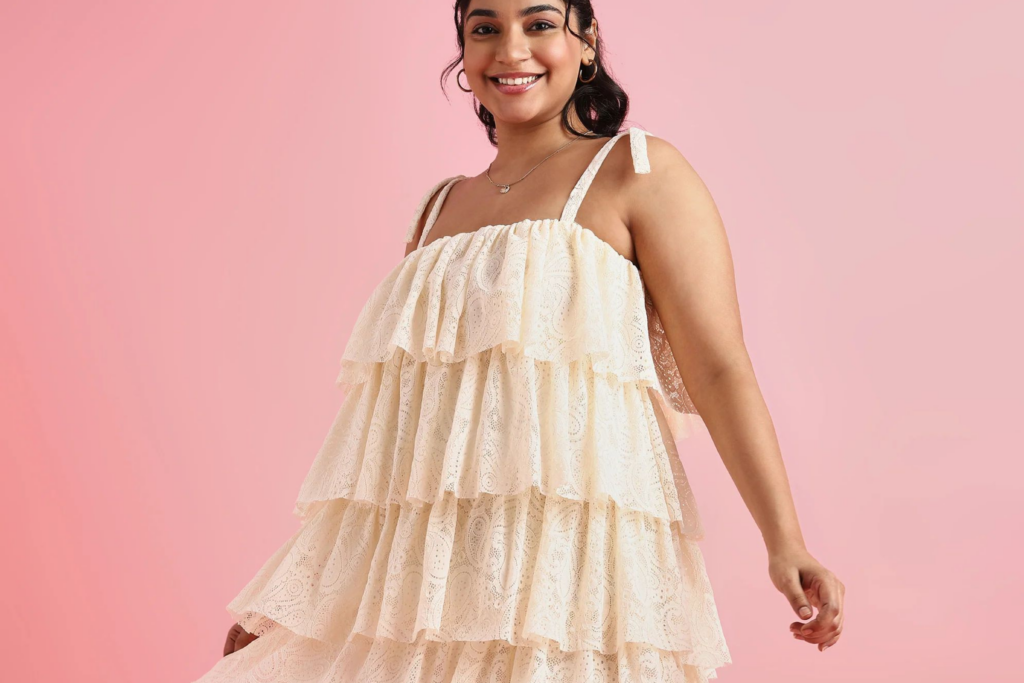
A tiered dress uses horizontal sections of fabric to create volume and movement through the skirt. The construction can produce a breezy silhouette, but the number and size of the tiers affect how the dress feels and performs.
Lightweight cotton and rayon can create fluid movement, while heavier fabrics can produce a more structured shape. Choosing the right combination prevents the dress from feeling unnecessarily heavy. The style works best when paired with accessories that respect its volume.
Simple sandals, clean sneakers, or low-profile boots can complement the movement without competing with it. A compact shoulder bag can add structure, while a cropped jacket can create a clear break between the upper body and fuller skirt.
Bold colors and prints can work especially well because the tiered construction creates movement as the wearer walks. The most practical approach involves choosing one strong visual feature, the tiered skirt, a print, or a statement accessory, and allowing the remaining elements to support it. This creates a balanced outfit that feels expressive while remaining easy to wear.
The Slip Dress With a Layering Piece
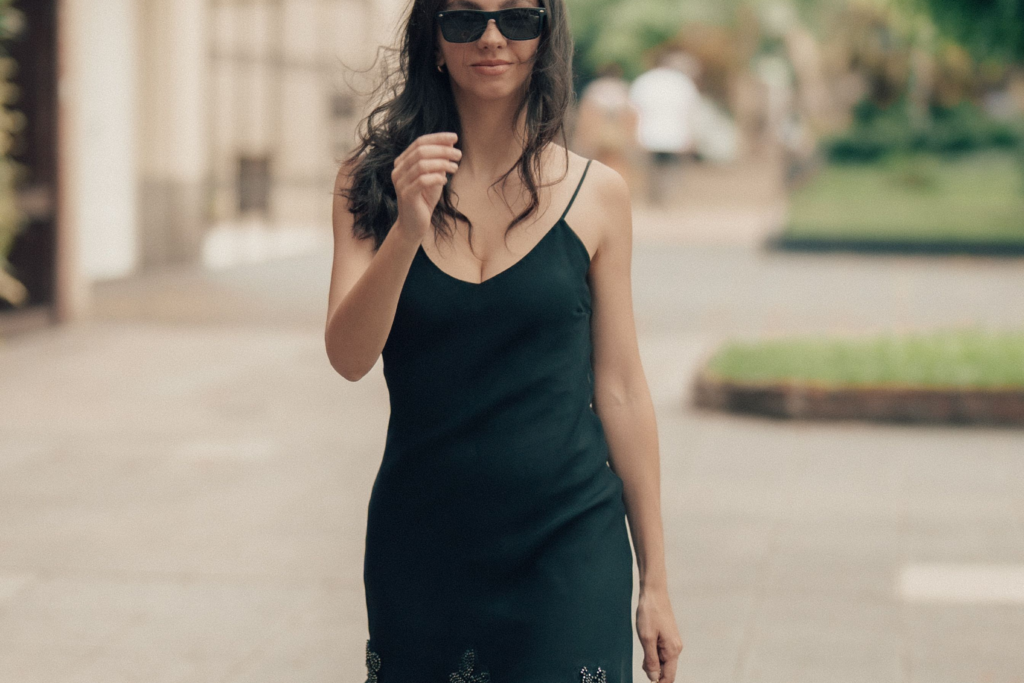
The slip dress offers a streamlined base, but its versatility increases significantly when paired with practical layers. Its strength comes from its ability to function as more than a single outfit. A cardigan, oversized shirt, cropped sweater, or fitted T-shirt can completely change the appearance of the dress while extending its usefulness across different temperatures and settings.
Fabric selection determines how comfortable the slip dress feels throughout the day. Satin can create a smooth, polished appearance but may require careful attention to fit and layering, while jersey and soft woven fabrics can offer greater flexibility and ease of movement. A relaxed fit generally provides more comfort than a tightly fitted cut, particularly when the wearer plans to sit, walk, or add layers over the dress.
Styling choices determine how far the slip dress can travel. Sneakers and a cardigan can create a casual daytime combination, while a blazer and low heels can create a sharper evening outfit. The technical strength of this style lies in its modular design: a single base garment can support multiple styling options through changes in texture, footwear, and outer layers.
The Polo Dress
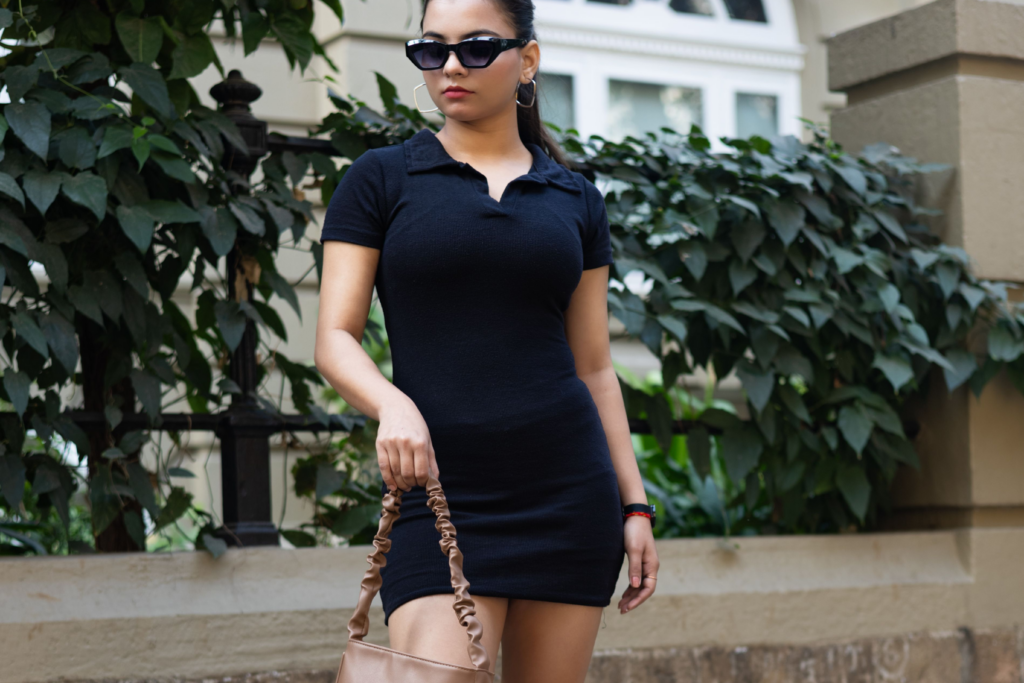
The polo dress combines the ease of a sporty knit garment with the structure of a collar and button placket. Its popularity aligns with the broader growth of active, performance-focused lifestyles. According to the Sports & Fitness Industry Association (SFIA), 242 million Americans participated in sports and fitness activities in 2023, highlighting the expanding role of performance-oriented clothing in everyday wardrobes.
The polo dress benefits from many of the same construction principles because its appeal depends on movement, fabric performance, and a clean shape. Performance-oriented versions may use moisture-managing or quick-drying fabrics, while cotton piqué versions offer a more traditional texture.
The choice depends on the intended activity and climate. A dress designed for movement should provide enough room through the shoulders and hips, while the fabric should recover its shape after sitting or moving.
The polo dress works particularly well for casual offices, weekend activities, travel, and outdoor social settings because its design already balances sporty and polished elements. Sneakers can emphasize the athletic side, while loafers or simple flats can create a more refined appearance.
A lightweight jacket can add structure without creating visual conflict with the collar. The style also provides a useful alternative to separates for those who want the appearance of a coordinated outfit with fewer pieces.
The Denim Dress
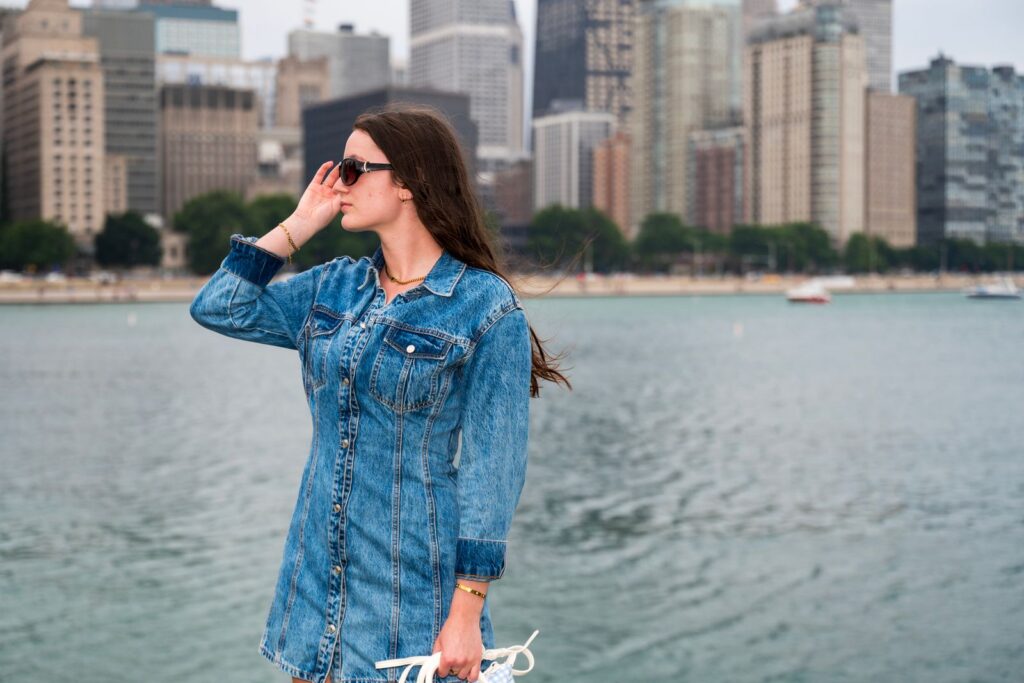
A denim dress brings the durability and visual structure of denim into a one-piece outfit, combining the practicality of a classic fabric with the ease of a complete look. Denim construction can create structure without requiring a tight silhouette, particularly when the dress features a relaxed cut, shaped seams, or a touch of stretch.
This balance allows the garment to maintain its recognizable shape while still providing enough comfort for everyday movement. Lightweight chambray offers a softer, airier feel, making it suitable for warmer conditions, while heavier denim provides more structure and works well in cooler seasons.
Stretch denim may improve flexibility, but a relaxed cut can also create comfort without relying heavily on elastic fibers. Details such as seams, pockets, buttons, and waist placement influence both the appearance and wearability of the garment, especially during long periods of use.
The style has strong outfit-building potential because denim functions as a neutral texture that pairs easily with different wardrobe pieces. A simple denim dress can shift from casual to polished depending on the styling choices: sneakers and sandals create a relaxed daytime outfit, while boots or loafers create a more refined appearance.
A lightweight sweater adds warmth for transitional weather, while a colorful bag or statement accessory introduces contrast and personality. The denim dress can also extend beyond its traditional role as a standalone outfit by functioning as a layering piece.
When worn open over a fitted top and trousers, if the construction allows, it creates an additional styling option that adds dimension and increases wardrobe flexibility. This adaptability allows the denim dress to transition between seasons and occasions, making it a practical choice for those who value durable pieces that can be styled in multiple ways rather than worn in a single setting.
The Column Dress
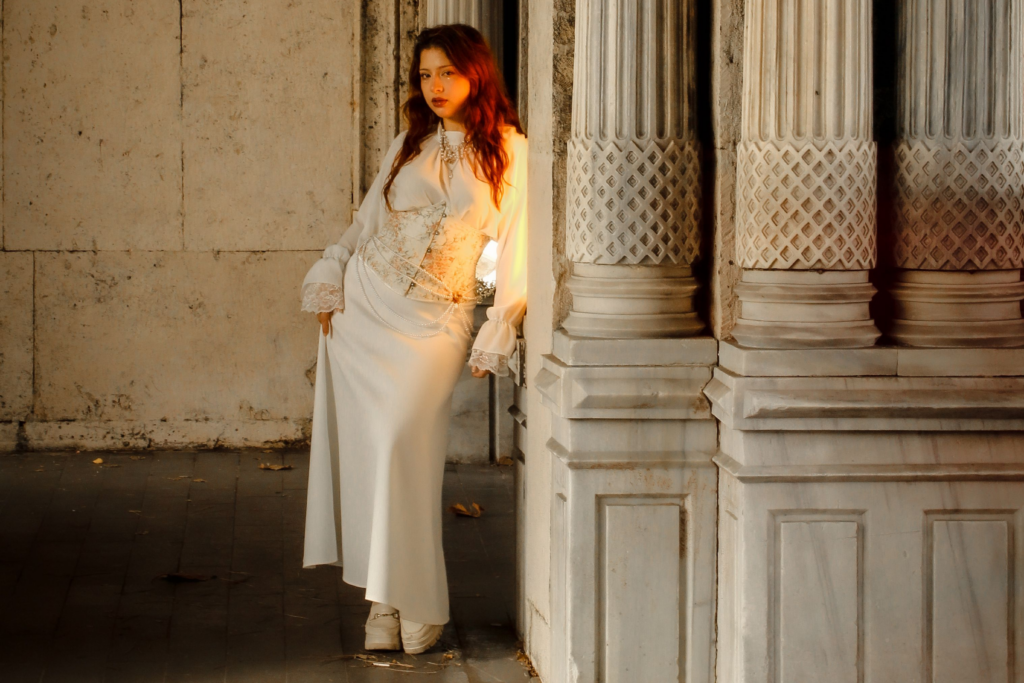
The column dress follows a relatively straight line from the upper body toward the hem, creating a clean silhouette with minimal visual interruption. Its comfort depends heavily on the relationship between cut and fabric.
A rigid, narrow column can restrict movement, while a straight dress with stretch, side slits, or a relaxed fit can provide considerably more ease. The design can look polished because its simplicity creates a strong vertical line, while the wearer can remain comfortable thanks to the fabric’s flexibility and thoughtful construction.
The most practical way to wear a column dress is to add structure strategically rather than layer heavily. A cropped jacket can create definition at the waist, a long cardigan can emphasize the vertical line, and a structured handbag can add contrast to a fluid fabric.
Shoes can also change the effect: sneakers create a modern casual look, while boots or simple heels create a dressier finish. The style demonstrates an important principle in comfortable dressing: a simple silhouette does not need excessive decoration to look intentional.
Key Takeaways

- The most effective dress wardrobes prioritize balance: A dress should provide enough comfort and movement for everyday life while still offering visual appeal through its shape, color, texture, or structure.
- Comfort increasingly influences clothing choices: With 78% of U.S. adults prioritizing comfort over trends, shoppers are placing greater value on garments that feel good throughout the day.
- Everyday practicality is essential: Since 74% of U.S. adults wear casual clothing daily, versatile dresses that transition easily between different activities and settings can offer greater wardrobe value.
- Construction details influence long-term usefulness: Fit, quality, stretch, breathability, and functionality all contribute to whether a dress becomes a reliable wardrobe staple.
- Dresses remain an important apparel category: Although Circana recorded a 6.6% decline in dress sales in its April 2026 data spotlight, dresses continue to rank among the largest apparel categories by sales.
- Versatility determines whether a dress earns its place: The most valuable pieces offer comfort, repeat-wear potential, and multiple styling possibilities rather than working for only one occasion.
- The right style depends on your lifestyle: A shirtdress may suit someone who needs office-to-weekend versatility, while a knit dress may better serve a comfort-focused wardrobe.
- Silhouette should match personal preferences: Wrap and A-line styles can offer useful flexibility for people who prefer adjustable or less restrictive movement.
- A versatile wardrobe does not require every dress style: Instead, shoppers should focus on silhouettes, fabrics, and construction details that genuinely make getting dressed easier.
- Practical clothing can still feel stylish: The strongest dresses combine everyday performance with enough personality and visual intention to make an outfit feel complete.
Disclaimer: This list is solely the author’s opinion based on research and publicly available information. It is not intended to be professional advice.
Like our content? Be sure to follow us
Source: The Curvy Fashionista – thecurvyfashionista.com


