



There’s something surreal about watching a queer cult classic under the stars, surrounded by the people who created it. Saturday night, I was in the middle of that moment at West Hollywood Park. broken hearts club ” held a special screening to commemorate its 25th anniversary, making it feel like a reunion and a return home in equal measure.
The event sponsored by Pride House Los Angeles/West Hollywood and the organizer street food cinemawhich also served as a fundraiser to support LGBTQIA+ athletes through Pride House and Team Out AF. But the cast had a story to tell, and the audience was already locked into the venue before the movie even started.
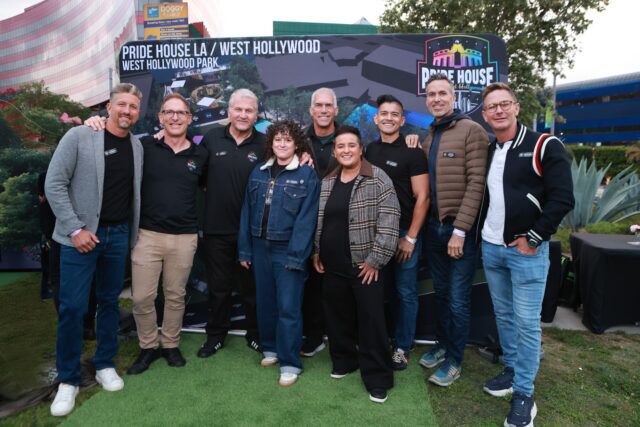
Cast reunion where you could feel the energy of a group chat
A pre-screening Q&A moderated by Jess Cagle was attended by Billy Porter, Zach Braff, writer/director Greg Berlanti, and producer Mickey Liddell. The chemical reaction was immediate. It felt less like a formal panel and more like a group of friends picking up where they left off, and there was enough chaos to keep it interesting.
Porter in particular wasted no time in reminding everyone why he’s a scene-stealer. He talked about how he landed the role and talked about a last-minute audition that took place in a hotel room on a Sunday night.
“That’s how I got the role, damn it!” he says, perfectly timed punchline as the audience roars.
He also reflected on what the film meant at the time. “There was nothing for queer people,” he says. “Not to mention overlaying that with queer people of color.” It was a reminder that what now feels nostalgic once filled a real gap in representation.
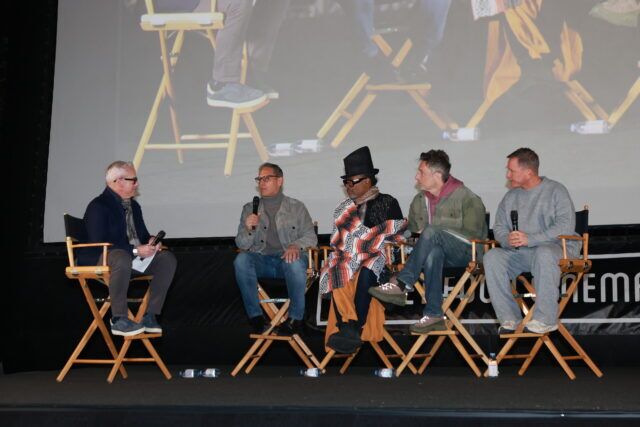
Zach Braff’s ‘Only in Hollywood’ moment
Braff brought his own unique sense of humor to share a story that perfectly captured the unpredictability of the hustle and bustle of his early career. Even after the film premiered at Sundance and started attracting attention, he was still waiting his turn in Los Angeles.
“People went to the movies and then went into restaurants,” he recalled. “They say, ‘I saw your movie. You were great.’ And I say, ‘Thank you… can we talk about the special?’
He stopped and let it land.
“Hollywood is the only place where you can watch your movie and be served dessert.”
It was the kind of anecdote that stayed with the audience. Not just because it was funny, but because it grounded the tradition of cinema in something realistic.
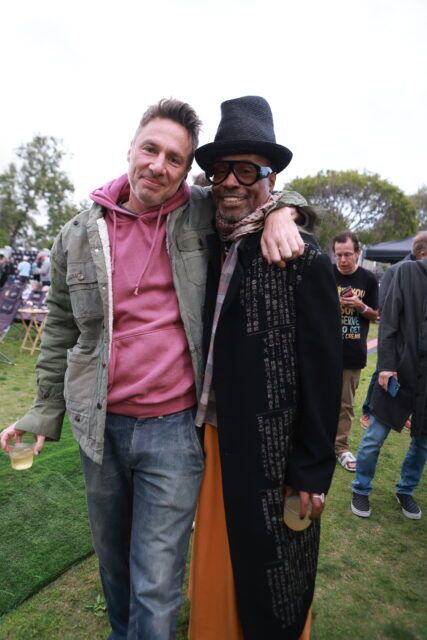
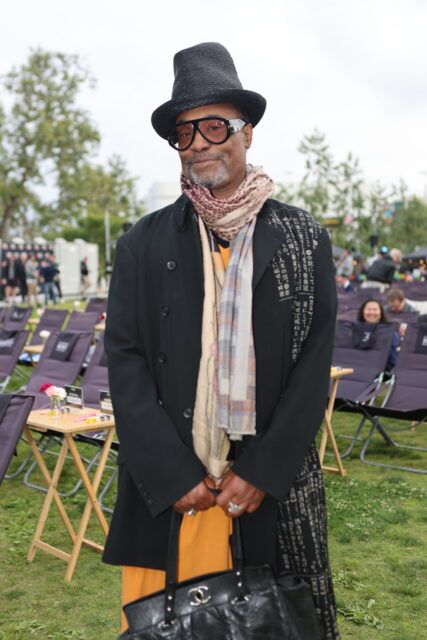
Greg Berlanti talks about his beginnings
For Berlanti, the night held a different weight. broken hearts club ‘ was his directorial debut, and he made it clear that he didn’t do it alone.
“My career and this movie wouldn’t exist without Mickey Liddell,” he said, crediting the producer sitting next to him.
That feeling of gratitude continued into the night. Even as the story veered toward comedy, there was a constant sense of gratitude for the film, for each other, and for the timing that made it possible.
More than nostalgia
Beyond the panel discussion, the guest list reflected how widespread the conversation around queer visibility is. In attendance were Billy Porter, Zach Braff and Berlanti, as well as athletes who represent the new era of out competitors, including Adam Rippon, Robbie Rogers and Brittany Bowe.
That connection was no coincidence. Pride House Los Angeles/West Hollywood is already looking ahead to the 2028 Summer Games and aims to create a space where LGBTQIA+ athletes and fans can gather, celebrate and stand out on a global stage.
Watching the film in that context added another layer. What once felt groundbreaking is now fundamental, a stepping stone to a wide range of expressions in entertainment and sports.
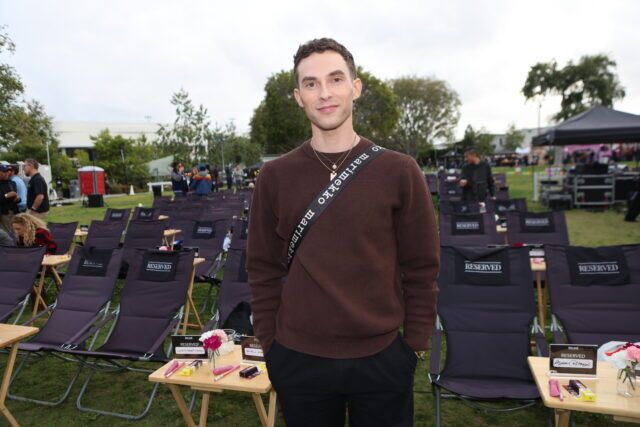
Full-circle moments in WeHo
As the sun set and the movie started, the energy changed. Laughter could be heard during the Q&A session, but the atmosphere turned quiet. People stick around, some revisiting this story for the first time in years, and others seeing it for the first time surrounded by a community that understands its impact.
For me, this night demonstrated how this film’s legacy continues to ripple outward through the people it inspired, the stories it enabled, and the space it still holds within queer culture.
And above all, it proved one thing. If you give Billy Porter a microphone, he’ll definitely give you his time.
Source: Gayety – gayety.com


