



As Pride Month unfolds in galleries, museums, and cultural spaces around the world, one of the art world’s biggest platforms is shining a spotlight directly on an often overlooked space: queer artists.
artistican online marketplace and discovery platform for contemporary art, has launched pride in the communitya month-long initiative celebrating LGBTQ+ artists through curated collections, public installations, and conversations led by some of the most influential names in contemporary art.
This campaign comes at a time when awareness feels especially important.
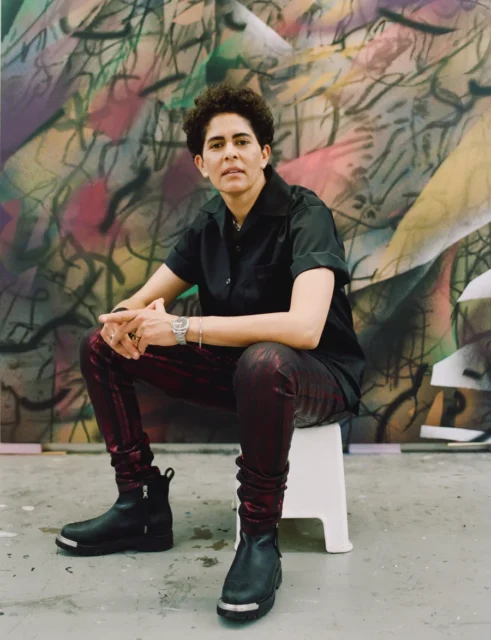
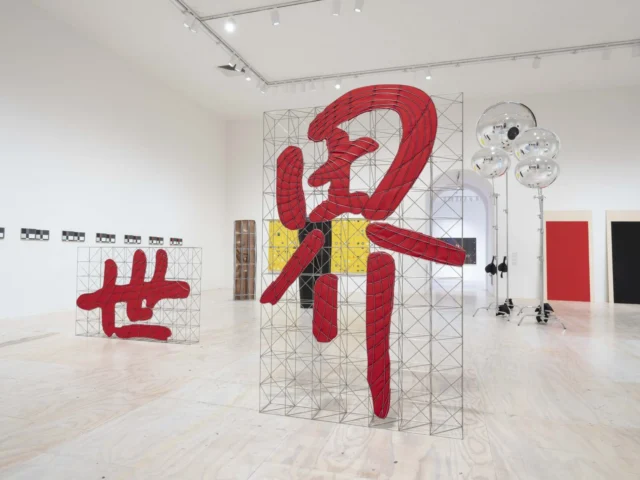
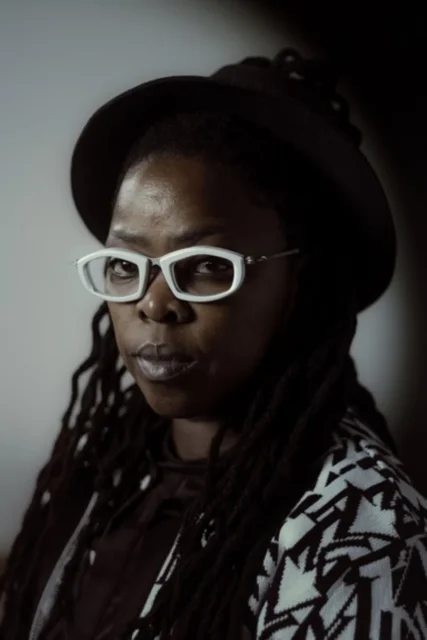
Throughout June, Artsy will feature LGBTQ+ artists across its platforms through selected works by three prominent queer artists who have helped shape contemporary visual culture: Catherine Opie, Zanele Muholi, and Julie Meretu. Rather than centering solely on established auction success stories, this effort shifts attention to the artistic lineages, mentorship, and networks of care that continue to sustain queer creativity.
The project also raises larger questions that the art world has rarely measured directly. It’s about who is counted and who is excluded.
Artists who are not always appreciated but who promote culture
Queer artists have long shaped the visual language of modern culture, but the market has often failed to recognize that sexuality and identity are part of that influence.
The artist points out a striking contradiction. While artists such as Andy Warhol and David Hockney remain among the highest-paid artists in auction history, queer identities have historically not been systematically tracked across art market data.
Its absence creates an incomplete picture of who is creating cultural momentum.
At the same time, representation matters beyond numbers. According to Artsy, 9.3% of U.S. adults identify as LGBTQ+, but there is no consistent infrastructure to surface queer artists through sales reporting or trend collection. As a result, visibility often relies on institutional support, curatorial advocacy, and community networks rather than measurable industry standards.
Pride in Community positions itself as an intervention into that gap.
Artsy, which has a collector audience of 3.7 million users in more than 190 countries, said the campaign aims to create a more direct path between its audience and emerging and mid-career LGBTQ+ artists.

Queer art has always been built through community
The framework for this initiative focuses on inheritance, not just celebration.
Artsy said contemporary queer art is thriving in large part because generations of artists have continually invested in each other, building support systems based on mutual care, shared history and opportunity.
This idea is the basis of the campaign.
For Pride Month 2026, Artsy invited Opie, Muholi, and Mehretu to reflect on the queer artists whose work continues to inspire them today. The result is less of a traditional collection and more of a creative map of how influence moves across generations.
Many of the artists who have achieved institutional recognition are passionate about elevating the status of students, collaborators, and colleagues who have not yet received the same recognition.
The central question will be simple but powerful. Who inspires artists who inspire others?
Why visibility feels different now
The campaign also comes at a time of heightened concern across the arts and culture sector.
As the debate around LGBTQ+ inclusion continues globally, cultural institutions have become increasingly sites of tension, with pressures on the trans community in particular. Exhibitions are facing cancellations, program changes, and funding issues in various regions.
Against this backdrop, Pride in Community presents queer art not as a niche category, but as a living archive of identity, resistance, and imagination.
Art continues to create a place for people to see themselves reflected, explore complexity, and find community through shared experiences.
That context extends beyond the digital space.
Bringing pride into public spaces
Through a partnership with OUTFRONT Media, Artsy is extending this commitment beyond its platforms with guest-curated outdoor campaigns throughout the New York City subway system.
This activation brings selected queer works directly to the public throughout Pride Month, expanding the conversation beyond collectors and gallery audiences.
This is a reminder that visibility doesn’t just happen within your organization. It can also occur during the morning commute.
For Artsy, Pride in Community seems less about creating a seasonal campaign and more about documenting what’s always been there: queer artists supporting each other, building cultural movements, and shaping what comes next.
Readers can click here Explore Arcies pride in the community Check out our collection and learn more about our featured artists.
Source: Gayety – gayety.com


