



Fashion Exhibitions Across Europe and the Americas, there is a powerful wave of exhibitions that reframe fashion not just as design, but as cultural memory, identity, politics, and lived experience. From Limerick to Venice, Belfast to New York, institutions are making a convincing case that fashion belongs in museums, not just as spectacle, but as an important cultural language.
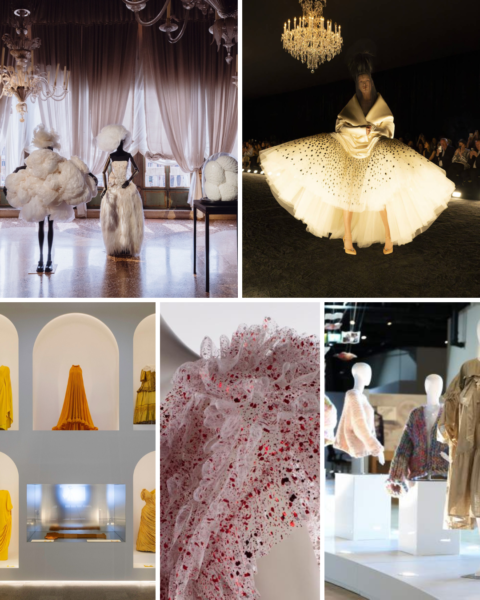
Exploring tradition and identity at an Irish fashion exhibition
Exhibitions held in Ireland include: hunt museum‘s The fashion program in Limerick demonstrates the growing recognition that clothing deeply tells local stories about craft, class and community. These shows remind us that fashion is not just about haute couture houses, but about regional identities: who we are, how we express ourselves and our heritage.
That idea is strongly reflected in Ulster Museum, where fashion and textiles are embedded within an extensive historical collection. From ashes to fashion Exhibition. Ulster Museum, which lost thousands of garments in the Malone House fire in 1976, has been working to restore its collection after acquiring the Lennox Quilt, an elaborate 18th-century embroidered quilt that was the only one to survive the fire because it was on display at the time. Today, the museum houses works by designers such as the late Paul Costello, JW Anderson, and Alexander McQueen.
of northern thread The exhibition at Titanic Belfast extends this story by focusing on the textile heritage and the labor behind it. These exhibitions ground fashion and show how industry, craft and identity are intertwined. They challenge the assumption that fashion is inherently global and reveal how local it can also be.
While Irish educational institutions focus on heritage, major international museums are pushing fashion further into the realm of conceptual art. At the Victoria and Albert Museum in London, Schiaparelli: Fashion becomes art Clarify your case. This exhibition explores Elsa Schiaparelli’s collaborations with surrealist artists and her radical approach to costume as a medium of artistic expression. More than 200 objects blur the boundaries between gallery and wardrobe, transforming clothing into imaginative, even subversive pieces.
In New York, Metropolitan Museum of Art continues this conversation through the Costume Institute. Our latest exhibition positions fashion as a way of thinking about identity, movement, and perception, and examines the relationship between clothing and the body. The Metropolitan Museum of Art’s annual fashion exhibition is much more than an annual gala event, and while it has long blurred the line between spectacle and scholarship, its continued expansion suggests something deeper. Fashion is now central to how museums attract audiences. We celebrate the contribution of Irish activists to this programme.
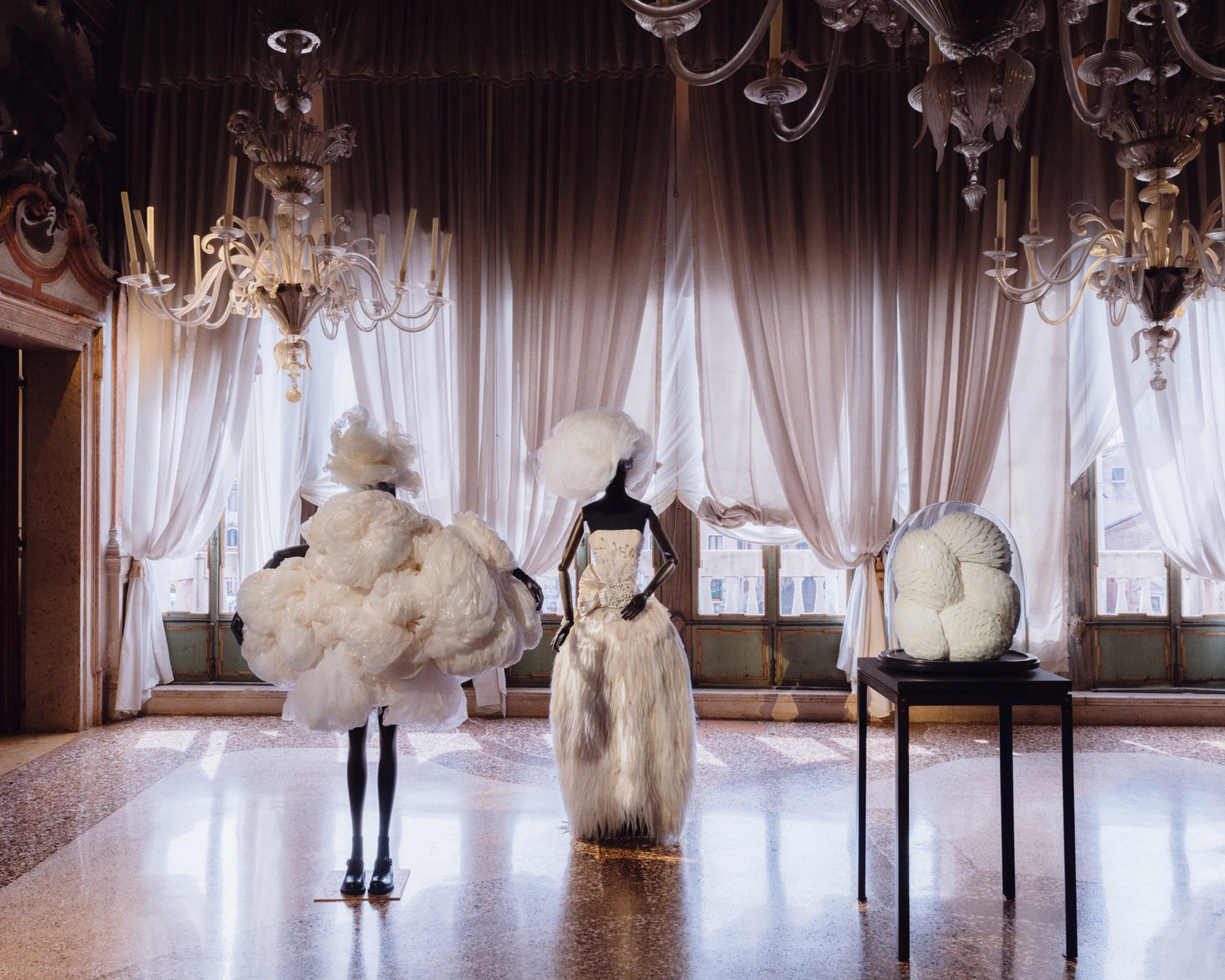
The Dries Van Noten Foundation in Venice offers a different perspective. The first exhibition, The only true protest is beauty, Expand the conversation to include arts, crafts, and manufacturing philosophies. Rather than focusing solely on clothing, it explores the role of craftsmanship and the human drive for beauty. Fashion here becomes an entryway into a meditation on something broader: creativity itself. This change is important. This suggests that fashion exhibitions are no longer limited to fashion, but are becoming interdisciplinary spaces where art, design, and culture intersect.
What unites these exhibitions is not just their subject matter, but their assertion that fashion is a cultural experience. Museums have always been spaces for stories. Embracing fashion gives them access to an immediate and embodied story. Clothes are intimate. It touches the skin, moves with the body, and indicates identity in a way that paintings and sculptures usually cannot. It carries the memory of an era, an individual, a movement.
Click here for questions/opinions regarding the above products/brands,
Click here to contact us anytime
Source: Pynck – pynck.com


