



It starts with what should be a happy moment: looking at your wedding dress. But for many brides, that moment is followed by doubt instead of excitement. That’s exactly what happened in a Reddit thread titled “Help me style my dress or should I pick a new one?” One bride turned to strangers for advice, and hundreds of women chimed in with their own experiences of wedding dress regret, alterations, and knowing when to walk away.
In a recent r/weddingdress thread about this dilemma, the bride says she loves her dress but has already received criticism for it and now feels nervous about asking for feedback again. Commenters responded with a mix of styling ideas, from Grecian-inspired gold accessories to mantilla veils and chunky platform shoes, to help the gown feel more bridal, while a few voices hinted that starting fresh might be simpler.
That combination of encouragement, judgment, and lingering doubt is the emotional backdrop for the “alter or replace” question: the issue is not just the fabric and seams, but also how the wedding dress interacts with your body, your budget, and the version of yourself you want to see in your photos.
What This Story Is Really About
On the surface, “Help me style my dress” posts look like styling requests. Brides ask about veils, shoes, jewelry, and hair, hoping that the right choices will make everything click. Underneath, though, the questions are more complex.
They’re about sunk costs, deposits paid, dresses ordered, alterations scheduled, and how your body and tastes may have shifted since you first said yes to the gown. Many U.S. brides shop months or even a year in advance, often before venues, color palettes, or even final guest lists are locked in. When those pieces change, a dress that once felt perfect can start to feel out of step, especially if your day-to-day style has evolved or your body has changed.
Wedding budgets also heighten the stakes. According to The Knot’s 2026 Real Weddings Study, the average wedding dress cost is about 2,100 dollars, with lower-budget brides paying around $1,200 and high-end shoppers paying around $3,200. Those numbers do not include alteration costs, which separate guides estimate at roughly $300 to $800 for standard wedding dress tailoring and over $ 1,000 for complex structural changes.
At the same time, it is common for brides to regret or second-guess their choice of attire. Recent statistics from the wedding dress industry suggest that this is not a niche feeling. Roughly 30% of brides say they would have exchanged their dress for a different one after seeing their wedding photos.
This mirrors how often the gown appears in broader wedding-day regret stories. Other editorial pieces show brides regretting letting relatives overrule their taste, ignoring their comfort, or underestimating how their dress would feel and photograph across a long, hot wedding. When you layer in plus-size and curvy realities, smaller sample sizes in many U.S. bridal salons, and limited opportunities to see your body in minimalist or unconventional silhouettes, the stakes for getting it “right enough” become even more intense.
Why It Matters Right Now

Wedding culture in the U.S. has always been visual, but social media intensifies the policing of those visuals. Subreddits like r/weddingdress and r/weddingplanning, along with TikTok and Instagram, function as public panels where strangers weigh in on whether a gown is “bridal enough” or “flattering enough.”
Commenters in these spaces often note how harsh people can be when a dress deviates from traditional lace ball-gown expectations. In contrast, others encourage brides to tune out that noise and instead lean fully into the romantic Grecian or unconventional feeling they genuinely love.
Meanwhile, the hard costs behind these decisions are rising. Wedding budget guides now estimate that the dress, alterations, and key accessories together often make up around 5 to 8 percent of a couple’s total spend, which is a sizable slice when the average U.S. wedding hovers near the 30,000-dollar mark.
As tailoring prices climb alongside fabric, shipping, and labor costs, more brides are weighing not just emotional attachment but whether it makes financial sense to pour that share of the budget into reworking a gown that no longer feels like the right choice.
For brides with plus-size or curvy bodies, the risk of spending money on a dress that still doesn’t feel comfortable is even bigger. Many plus-size brides already face limited in-store sample ranges and more reliance on imagination during try-ons. When they later realize a bodice digs into the ribcage, a skirt doesn’t drape over the belly as expected, or armholes cut into their shoulders, they’re not just facing a styling tweak; they’re confronting a garment that doesn’t respect their proportions.
How to Decide If Your Dress Is Worth Saving
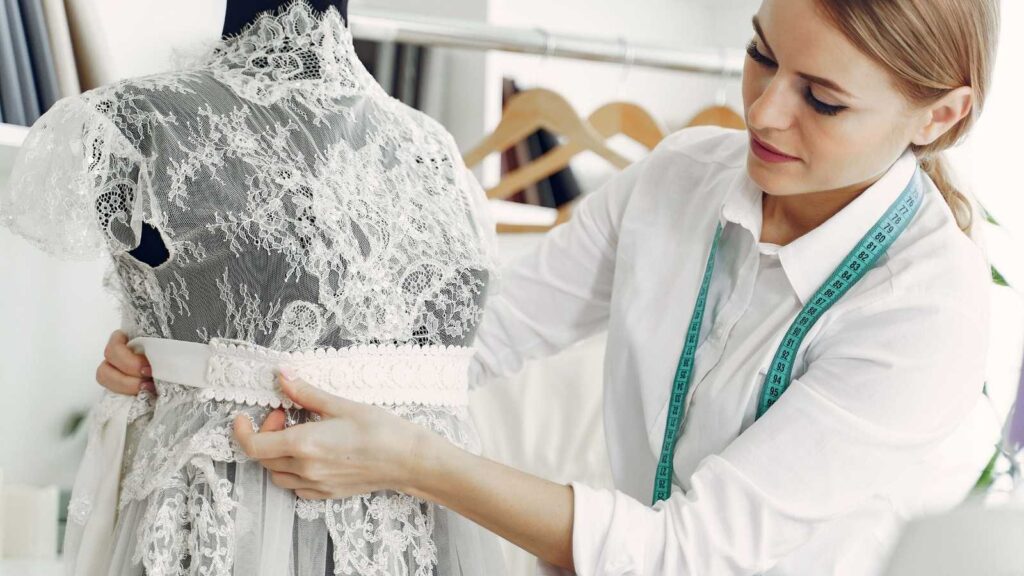
So how do you move from vague anxiety to a clear decision? The first step is to understand whether your discomfort is fixable through styling or rooted in fit and structure. Bridal tailors consistently highlight that not all gowns have equal “alteration potential.”
Dresses with solid seam allowance, quality construction, and supportive boning can usually be taken in or let out by a size or two. They can handle neckline tweaks without collapsing the bodice. By contrast, bias-cut gowns, heavily beaded dresses, or designs with intricate corsetry may respond poorly to aggressive changes.
At your next fitting, treat the appointment like an honest evaluation rather than a foregone conclusion. Wear the shoes, undergarments, and accessories you’d realistically pair with the dress, and ask your seamstress very direct questions.
Can the skirt accommodate your hips and belly without pulling? Will altering the neckline compromise bust support? Is there enough fabric to adjust without weakening the structure? If the answers sound hesitant or the tailor warns that changes might “fight” the design, that’s a signal that the dress may not be a good candidate for a complete personality shift.
How to Decide If This Dress Is Worth It for You
Next, differentiate between aesthetic discomfort and physical discomfort. If the main issue is that the dress doesn’t feel “bridal” enough, or you wish the overall vibe were more romantic, modern, or traditional, styling can be a powerful tool.
Commenters in wedding-dress forums often suggest ideas such as a gold headpiece, delicate gloves, and a loose chignon to lean into a gown’s Grecian softness rather than forcing it into a completely different aesthetic. Those kinds of choices, from veil length to jewelry scale, shoe style, and beauty look, can shift a dress from “cute but casual” into “ceremonial and intentional” without changing its core construction.
However, if your discomfort is physical tightness at the rib cage, restricted movement in the arms, or a lack of room across the belly when sitting, then the problem is structural. Body-image research consistently finds that women who feel physically constrained in their clothing report lower confidence and enjoyment at social events, even when they’re told they look beautiful.
Wearing a dress that feels like a costume you have to endure, rather than a garment you can inhabit, is a strong argument for starting over, especially on a day when you want to walk, hug, dance, and breathe.
Budget clarity is the next piece of the puzzle. With average wedding dresses hovering around 2,100 dollars and alteration costs often adding several hundred more, it’s worth doing the math on how much you’re willing to invest in a dress you’re ambivalent about. If the quotes for necessary changes approach or exceed half the gown’s value, and you still feel uncertain, that’s a practical moment to consider selling the dress and reallocating funds toward something that feels more aligned with your current taste and body.
For plus-size brides, it can be more cost-effective and more emotionally reassuring to choose a gown from a brand that designs specifically for inclusive sizing, rather than attempting to force a size-focused pattern into submission.
Finally, reflect on whether the dress matches your style identity now, not just who you were when you bought it. Many brides purchase under pressure, with family opinions, sale deadlines, or comparison anxiety driving the decision. Over time, your aesthetics may shift: perhaps you moved from boho to clean minimalism, or from princess ballgown dreams to a sleek, tailored silhouette that feels more like the woman you’ve become.
A helpful way to check in with yourself is to imagine a specific, coherent styling story that honors the dress as it is, whether that means embracing a Grecian romantic mood with soft draping and gold accents or leaning into a more structured, modern feel. If you can picture a clear direction that makes the gown feel like an intentional expression of your personality, it may be worth investing in fit tweaks. If every idea feels like an attempt to apologize for or conceal the dress, letting it go may be the kinder option.
Body Confidence, Representation, and the “Not Bridal Enough” Trap
For plus-size and non-traditional brides, the weight of online critique is even heavier. When commenters label a dress “not bridal enough,” they often mean that it doesn’t match the narrow gowns they’re used to seeing on thin bodies in marketing and television: lace, ballgowns, mermaids, and heavily structured silhouettes. This bias can push curvy brides toward safer, more conventional choices, even when their everyday style is bolder, more minimalist, or more experimental.
The shortage of inclusive imagery in bridal advertising contributes to the pressure. When campaigns rarely show larger bodies in column dresses, short hemlines, unconventional textures, or minimalist cuts, it becomes harder for brides with those bodies to trust a gown that sits outside traditional norms. That fear of public critique illustrates how deeply representation and opinion intersect: many brides worry not just about whether the gown is right but about how their taste will be judged by others when they share their choice or appear in photos.
Choosing whether to alter or replace a wedding dress is therefore not merely a logistical decision; it’s a body-confidence decision. It’s about whether you want to spend your remaining wedding planning time defending your dress to relatives and strangers or whether you prefer to quietly choose a gown that makes you feel grounded and beautiful without constant explanation.
Practical Guidance Without the Bullets
If you’re standing in front of your closet, staring at your wedding dress and feeling stuck, start with one honest fitting with a professional seamstress. Wear the shoes and undergarments you’d realistically use, bring one or two trusted people instead of a crowd, and ask the tailor directly what is possible and what isn’t, particularly around fit in the bust, waist, and hip. Use that appointment to separate structural issues from styling questions.
Once you know what the dress can physically do, take a quiet moment alone to evaluate your feelings. Ask yourself whether you feel excited imagining the gown on your body once the necessary fit tweaks are done and your preferred accessories are in place, or whether you still feel a heavy sense of dread. If the excitement never shows up, even when the practical problems seem solvable, that’s often your intuition telling you it’s time to move on.
Set a clear budget ceiling before you authorize any work. Decide how much additional money you’re comfortable investing into this dress, considering what you originally paid and what other wedding expenses you’re juggling. If alteration estimates blow through that limit and your confidence in the gown is still shaking, starting over may be both financially and emotionally smarter.
Finally, limit the number of opinions you invite; too many conflicting voices increase confusion and regret rather than clarity. Ask for feedback from people who understand your style and respect your body, not from a rotating cast of acquaintances and anonymous commenters. Use online forums as inspiration, not as a jury.
The Bigger Lesson: You Don’t Owe Your Dress Anything

Your wedding dress is important, but it is not sacred. You do not owe it loyalty because you paid a deposit, loved it on Pinterest, or promised your mom you were sure. You are allowed to love a gown and still decide that it doesn’t work on your actual body. You are allowed to change your mind when your venue, your style, or your sense of comfort shifts.
Bridal culture can make you feel guilty about “wasted” money or “disappointing” others, but the deeper cost is spending your wedding day in a dress that feels like a compromise instead of a celebration. Whether you ultimately choose to alter or to start over, the strongest choice is the one that lets you move freely, recognize yourself in the mirror, and feel proud when you look back at your photos years from now.
Disclaimer: This list is solely the author’s opinion based on research and publicly available information. It is not intended to be professional advice.
Like our content? Be sure to follow us
Source: The Curvy Fashionista – thecurvyfashionista.com


