



The Artist · Technique
A model walks out under hard light, and her skin looks like glazed porcelain. Within hours, the image is everywhere. Pat McGrath makeup looks travel that way, but the methods behind them are quieter and more practical than the photos suggest. This guide is part of the career hub for professional makeup artists. It studies her work as a working artist would: by technique, by kit and by team. It is written for artists in the United States who work on sets, shoots, shows and weddings, and who want to learn from the best runway work without copying it.
The short answer
Pat McGrath makeup looks are built on skin first, pigment blended by hand and controlled shine. She often applies product with her fingers for warmth and pressure control, layers color and gloss, and leads large backstage teams who repeat one design on every model. Recent work includes the glass-skin finish at Maison Margiela in 2024 and the 2025 Victoria’s Secret show.
Who Pat McGrath is, in brief
Pat McGrath is a British makeup artist whose career runs from London magazines to the largest runway shows in the world. At the end of 2020, she was named a Dame in the Queen’s New Year 2021 Honours list. According to NYLON, the honour was for services to the fashion and beauty industry and diversity, and she was the first person named to the list for makeup artistry. She also founded her own cosmetics brand, Pat McGrath Labs. In addition, she has worked on Louis Vuitton shows for about 20 years, according to Cosmetics Business. For working artists, however, the titles matter less than the methods. Her runway work shows how a single idea can be translated into dozens of faces in a short window. That skill is useful whether you work on a show, a film set or a bridal party of eight.
It helps to separate her career into three threads. The first is runway and editorial work, where she designs a look with a designer and leads a team to apply it. Next comes product, first through her own brand and now also as a creative director for a fashion house. The third is influence: her looks shape what clients ask for, sometimes within days of a show. Each thread teaches something different, from speed and teamwork to how texture behaves on skin. This guide focuses on the first two threads, because they are the ones you can practice.
Her methods: hands, layers and light
Most beauty coverage focuses on finished faces. Working artists gain more from studying the process. Across interviews and backstage reports, the same habits appear again and again in her work. She builds skin first, blends color by hand, layers products for depth and uses shine as a design element. What sets her work apart is how far she pushes each one, and how consistently her team can repeat it. For that reason, each habit below is described as a technique you can practice in your own kit. Treat them as exercises rather than rules.
Fingers before brushes
In a 2025 interview with NewBeauty, McGrath explained why she sometimes applies makeup with her fingers instead of brushes. She said fingers give more control over pressure on the skin and blend better because of their warmth. She also said the habit shaped many of her products. For a working artist, the lesson is practical. Cream and balm textures melt slightly under the warmth of a fingertip, so edges soften without extra product. Pressing, rather than rubbing, keeps the base underneath intact. However, fingers need the same hygiene as brushes: clean hands, a palette instead of the pot and no double-dipping. Our guide to makeup artist hygiene covers the details for set and client work.
Tower 28 BeachPlease Lip + Cheek — cream color for finger blending
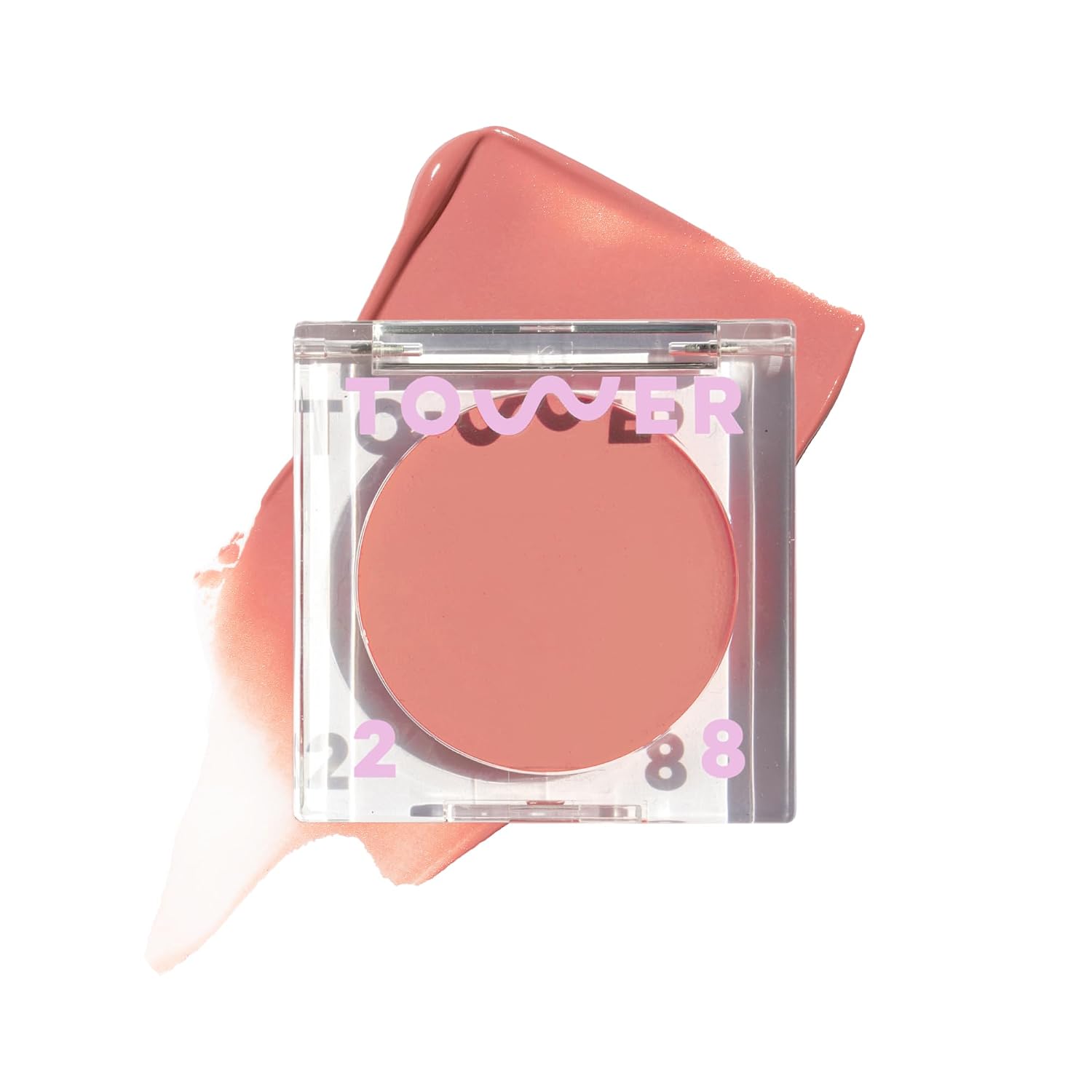
A sheer cream blush that works on cheeks and lips, which makes it a good texture for practicing the finger technique described above. Warm a small amount on the back of your hand, then tap it onto the cheekbone with your ring finger. The edges soften as the cream meets the warmth of the skin. Build it in thin layers rather than one heavy pass. Meanwhile, use a clean palette for each client instead of touching the pan directly.
Layering pigment and gloss
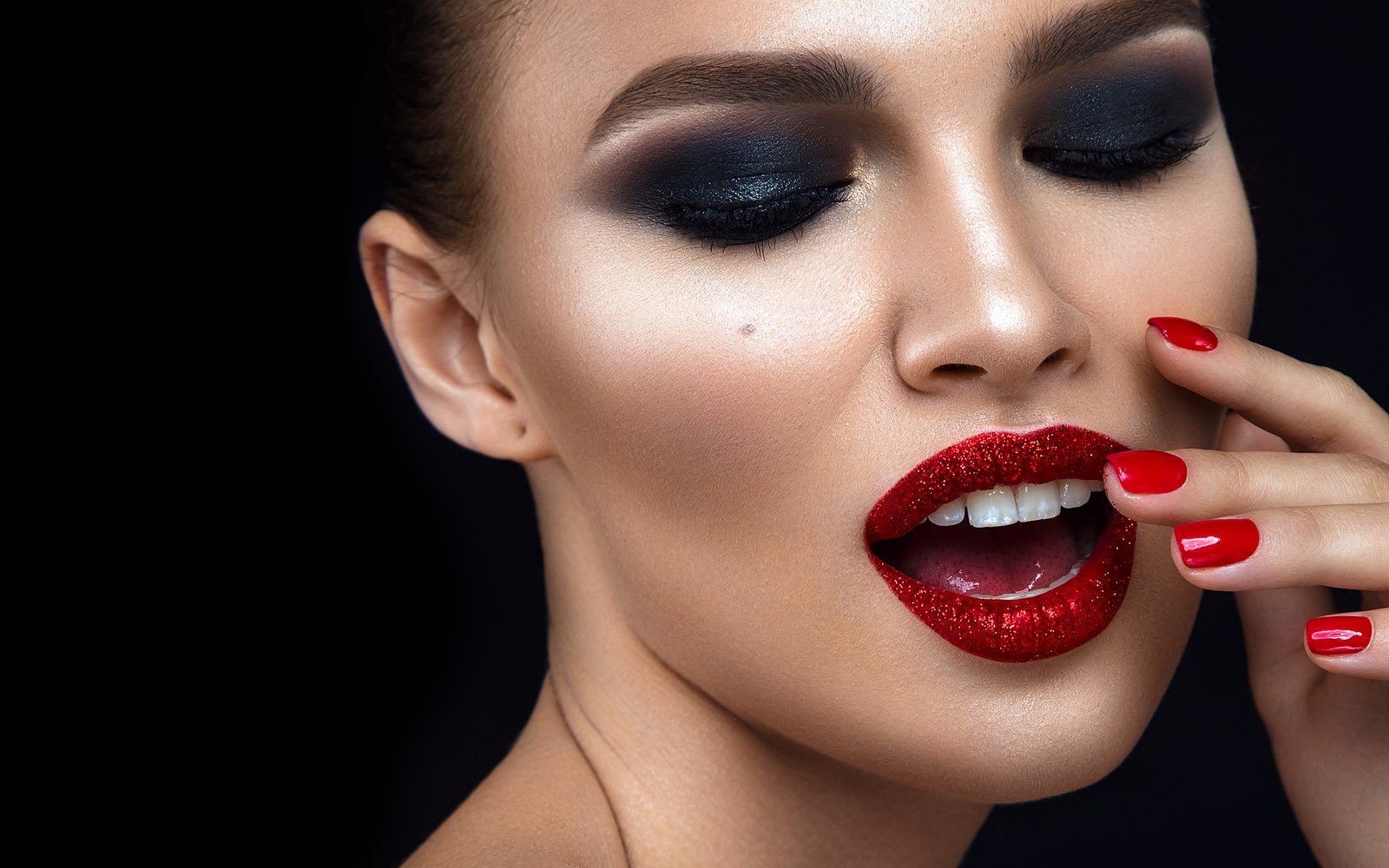
Many of her runway faces are built in thin layers rather than one heavy application. A sheer wash of color goes on first, then a deeper tone is pressed into the center, then shine is added where light should hit. This approach gives depth without weight. Try it on lids with a cream shadow, a powder of the same family and a touch of clear balm. Under a phone flash, the layered version usually looks richer than a single heavy layer of powder. Above all, layering lets you control where the eye goes, which is the real job of runway makeup.
Skin as the main event
Even her boldest looks start with skin preparation. Backstage reports on her shows describe essences, hydrating layers and highlighting balms applied before any color. Then foundation and concealer go on thinly, often only where they are needed. This matters because runway lighting, flash and high-resolution cameras all expose heavy bases. Prepared skin reflects light naturally, so less coverage is required. For your own work, build a short, repeatable prep routine and use it on every face. Meanwhile, learn which textures sit well together, so your base never separates under hot lights. Our guide to on-camera makeup explains how cameras read skin. Above all, give each layer a minute to settle, because rushed prep is the most common reason a base slides or separates later in the day.
NEOGEN Dermalogy Hyal Glow Rose Essence Milky Toner — a hydrating first layer
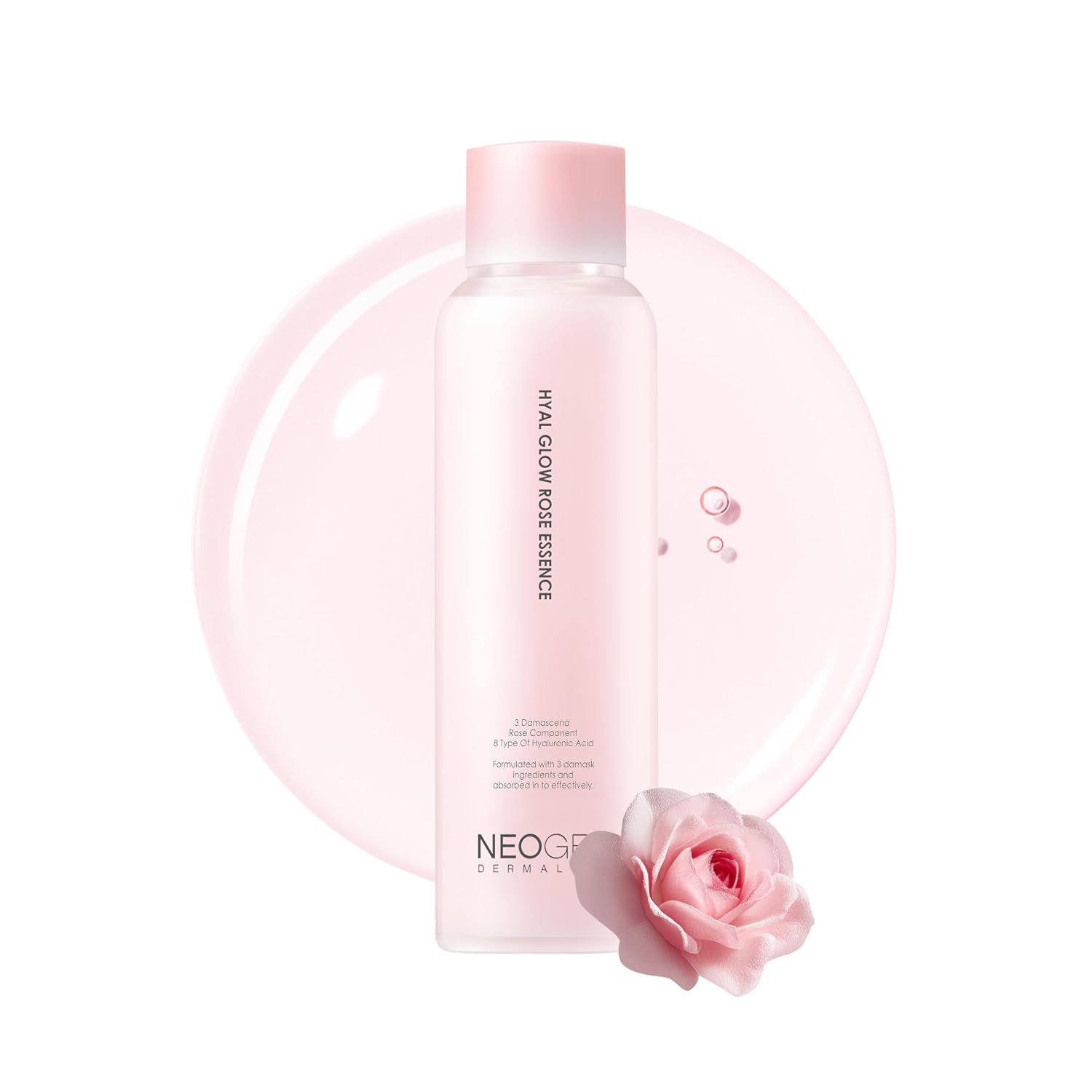
A milky essence that adds a light layer of hydration before any base. Press it into clean skin with your palms and let it absorb fully before foundation goes on. Skin prepared this way reflects light more evenly, so you can use less coverage. Patch test it on each client first, because rose extracts do not suit every skin. In addition, decant it into a clean pump bottle for set work rather than pouring from the original.
Pat McGrath makeup looks, broken down by technique
We chose the looks below because named sources document their methods well. Each entry describes what the team did, not how the face photographed. For that reason, you can practice each technique on a model or a practice head and judge the result for yourself. Remember that a runway face is designed for a specific collection, set and lighting plan. It is a starting point for your own work, not a template to copy onto a client. Study these Pat McGrath makeup looks for their structure: where color sits, where shine sits and what was left bare. Meanwhile, keep notes and photos of your own tests, because a record of what worked is worth more than any single tutorial.
Maison Margiela Artisanal, January 2024: glass skin
For the Maison Margiela Artisanal couture show by John Galliano in Paris, her team gave models a glazed, porcelain-like finish. In a Vogue interview republished by Vogue Scandinavia on February 2, 2024, McGrath explained that a full makeup look went on first. Then the team applied a reflective top layer, made from a backstage mix that included water, gel-style face masks and a cucumber mask. She said the hardest part was achieving the shine without disturbing the makeup underneath. She also described the public reaction as unlike anything in her 35-plus years in beauty. The lesson for artists is about sequence: finish the color work first, then treat shine as a separate, final layer.
Peter Thomas Roth Cucumber Gel Mask — for practicing a glazed top layer
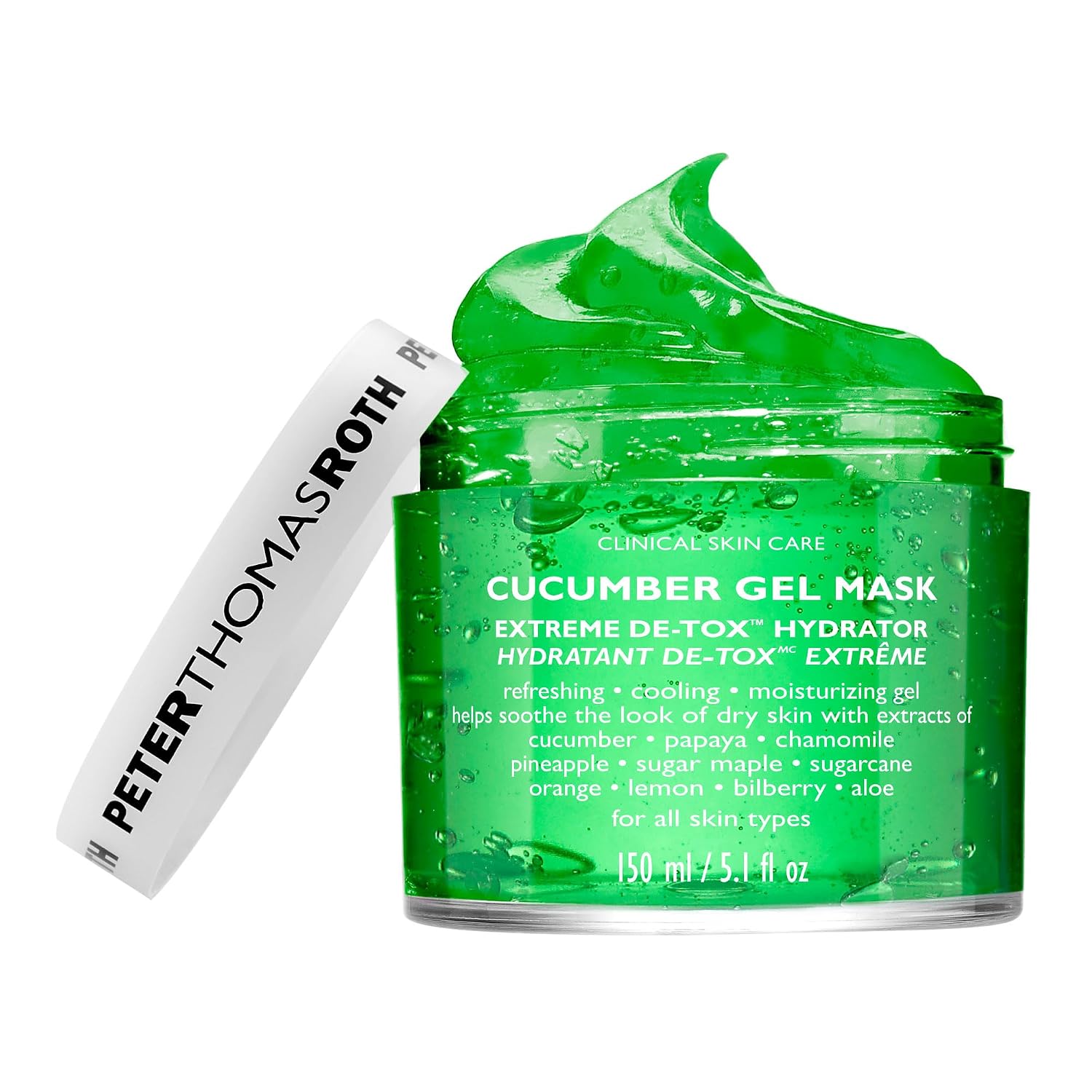
A cooling gel mask with cucumber, often used in skin prep. Vogue reported that the Margiela mix included a cucumber mask, so a gel like this is useful for practicing a glossy top layer on a practice head. Apply a thin film over finished makeup with a flat brush. Patch test first and keep it away from the eyes. Never apply an experimental mix to a client without consent.
If you try a glazed finish, work slowly and test on yourself or a practice head before any shoot. Keep the gloss layer thin, and let each pass settle before adding more. Press rather than wipe, so the color underneath stays where you placed it. In addition, plan for the camera: glossy skin reflects light strongly, so check it under the lighting you will actually use. Meanwhile, remember that a look built for a couture runway lasts minutes, not hours. For a client who must look fresh all day, keep the shine to the high points of the face and blot it gently between photos. That small adaptation turns a runway idea into something a real client can wear.
Marc Jacobs, Fall/Winter 2025: graphic classic beauty
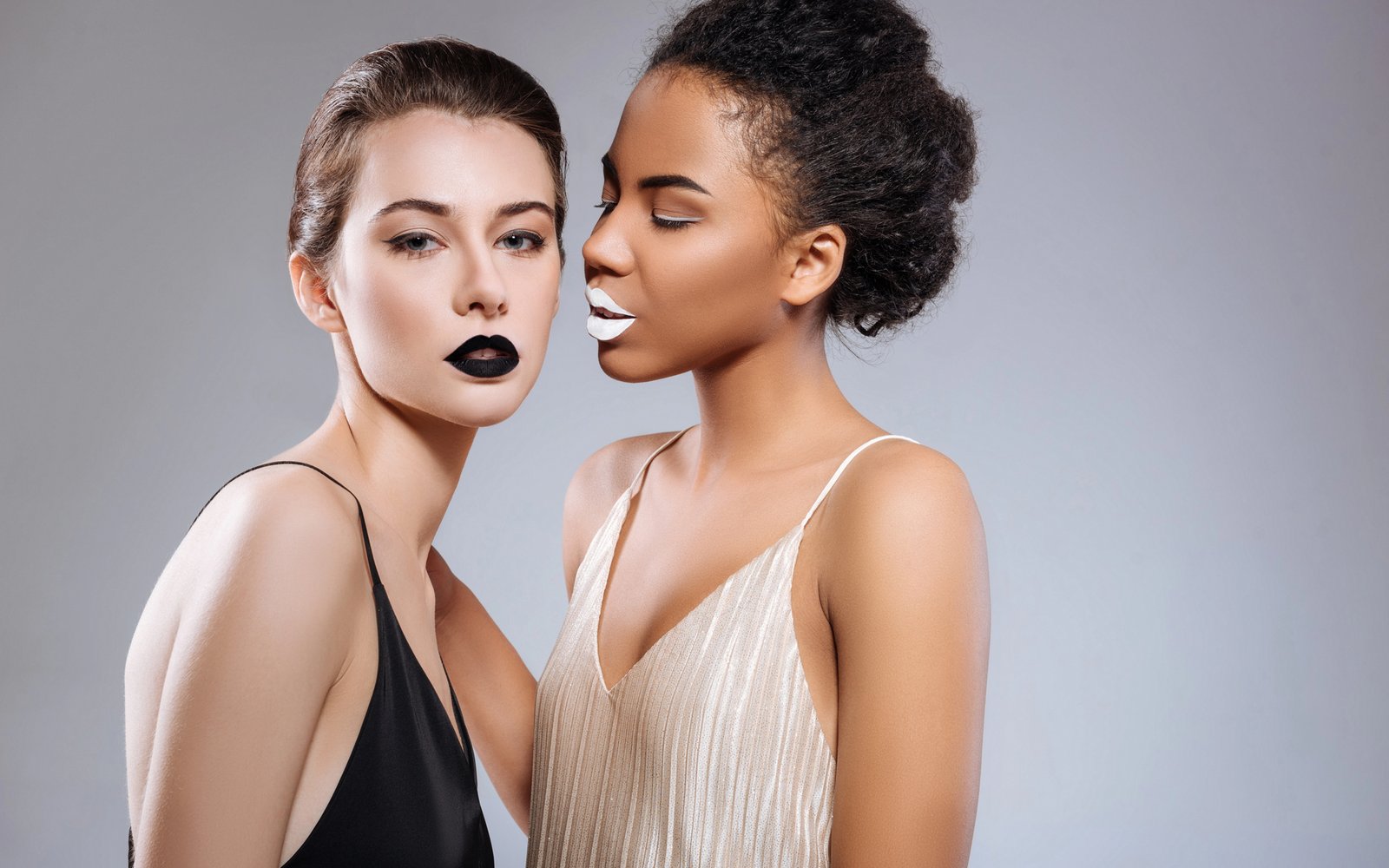
At New York Fashion Week in February 2025, BeautyMatter reported that her team opened the season at Marc Jacobs with a graphic take on classic beauty. The look combined a bold red lip, precise beauty spots and skin left largely untouched. Backstage, the team began with a radiant base, then added sheer lip balm and the beauty spots. The lesson here is restraint. One strong feature, placed with precision, carries the whole face. For a client, that might mean a red lip on bare, well-prepared skin, with nothing competing for attention. Practice drawing small, even beauty spots with a sharp pencil, because precision is what makes this look modern rather than costume. Then photograph the face from a distance, because a single strong feature should still read clearly across a room.
Anna Sui and Coach, Fall/Winter 2025: two eye techniques
The same BeautyMatter report describes two very different eye looks from the same week. At Anna Sui, the team drew a bold black lash line with a soft wing, then smudged jewel-tone shades along the lower lashes. Lips were a soft nude-brown, blurred to a matte finish. At Coach, by contrast, the skin was even and clean, with a blurring powder under the eyes and quiet depth on the lids. Studying the two together is useful. One uses line and color to create attitude, while the other uses shadow and texture to create calm. Both rely on careful blending at the edges. Try both on the same model in one session, and notice how the mood of the face changes. Keep a photo of each version for your portfolio notes.
Rimmel Soft Kohl Kajal Eye Liner — for smudged lash lines
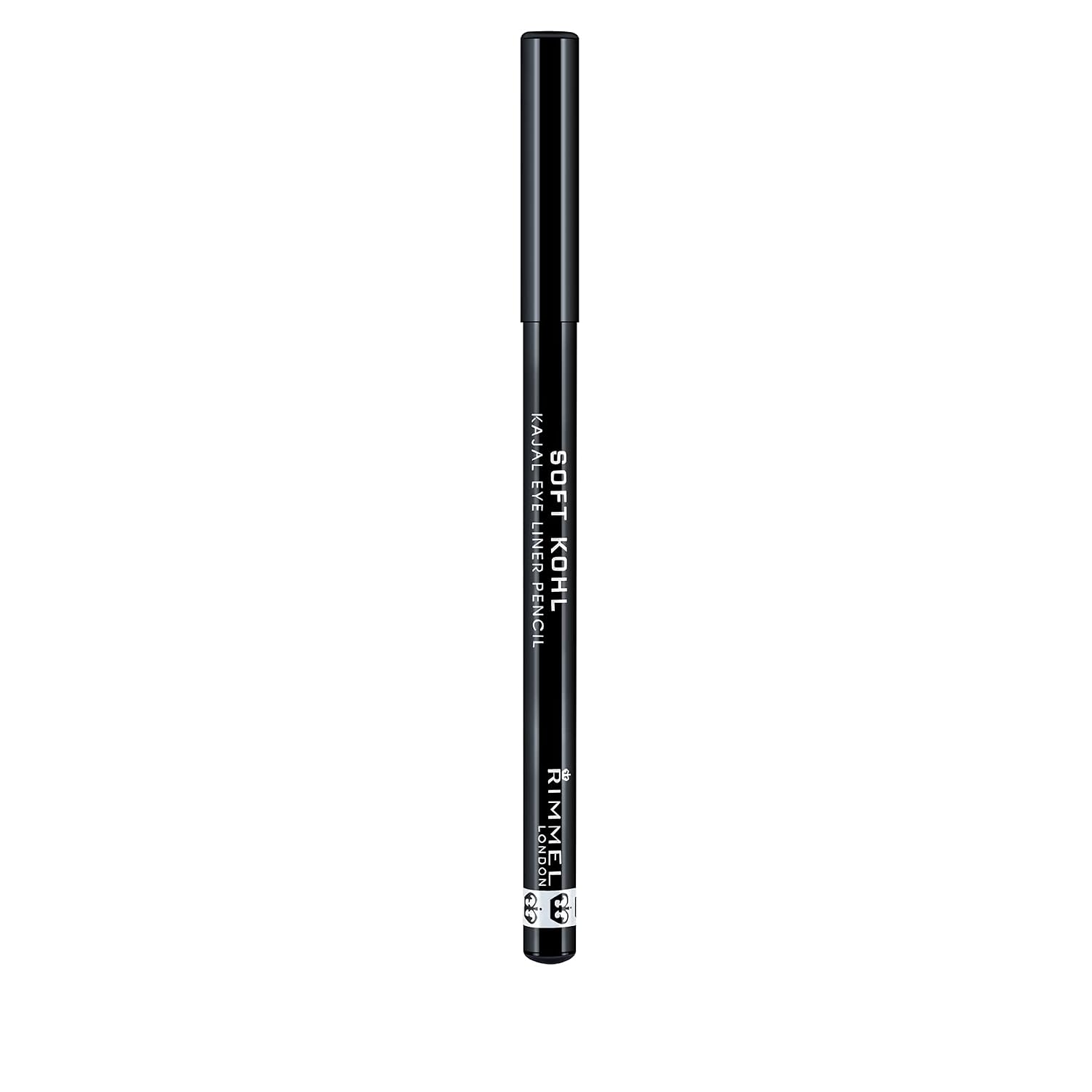
A soft black pencil that glides along the lash line and smudges easily before it sets. That makes it useful for practicing the Anna Sui technique: a bold line, then a softened edge. Draw close to the lashes in short strokes, then blur the outer edge with a small brush. Work quickly, because kohl grips the skin within a minute or two. Sharpen the pencil before every client so the tip stays clean.
Victoria’s Secret, October 2025: glow and a long-wear lip
For the 2025 Victoria’s Secret Fashion Show at Steiner Studios in Brooklyn, Essence reported that she led the makeup. She said the creative director, Adam Selman, wanted the models to look glowing and like themselves. Her team started with foundation and concealer, plus a little blurring powder under the eyes. Then they built a light smoke on the eyes with a brown-black pencil and a shadow palette. Lips were lined with a neutral brown long-wear liner hours before the show and finished with a glittering gloss. The liner trick is useful for any long event: set the shape early, so it survives eating, talking and touch-ups. Test the timing on a long practice day before you rely on it for a client.
Building a kit for these techniques
You do not need a runway budget to practice these methods. Most of the techniques above rely on a few textures: a hydrating prep layer, cream color that melts under warm fingers, a soft pencil for smudged lines, a lip liner that lasts and a clear gloss. For that reason, the products across this guide are chosen for texture and reliability rather than for any brand connection. None of them is named in the backstage reports; each is a widely available option for practicing the same effect. Test each one on your own skin first, and note how it behaves under flash. Meanwhile, keep your practice kit separate from your client kit until you trust a product.
NYX Professional Makeup Slim Lip Pencil — for lining early on long days
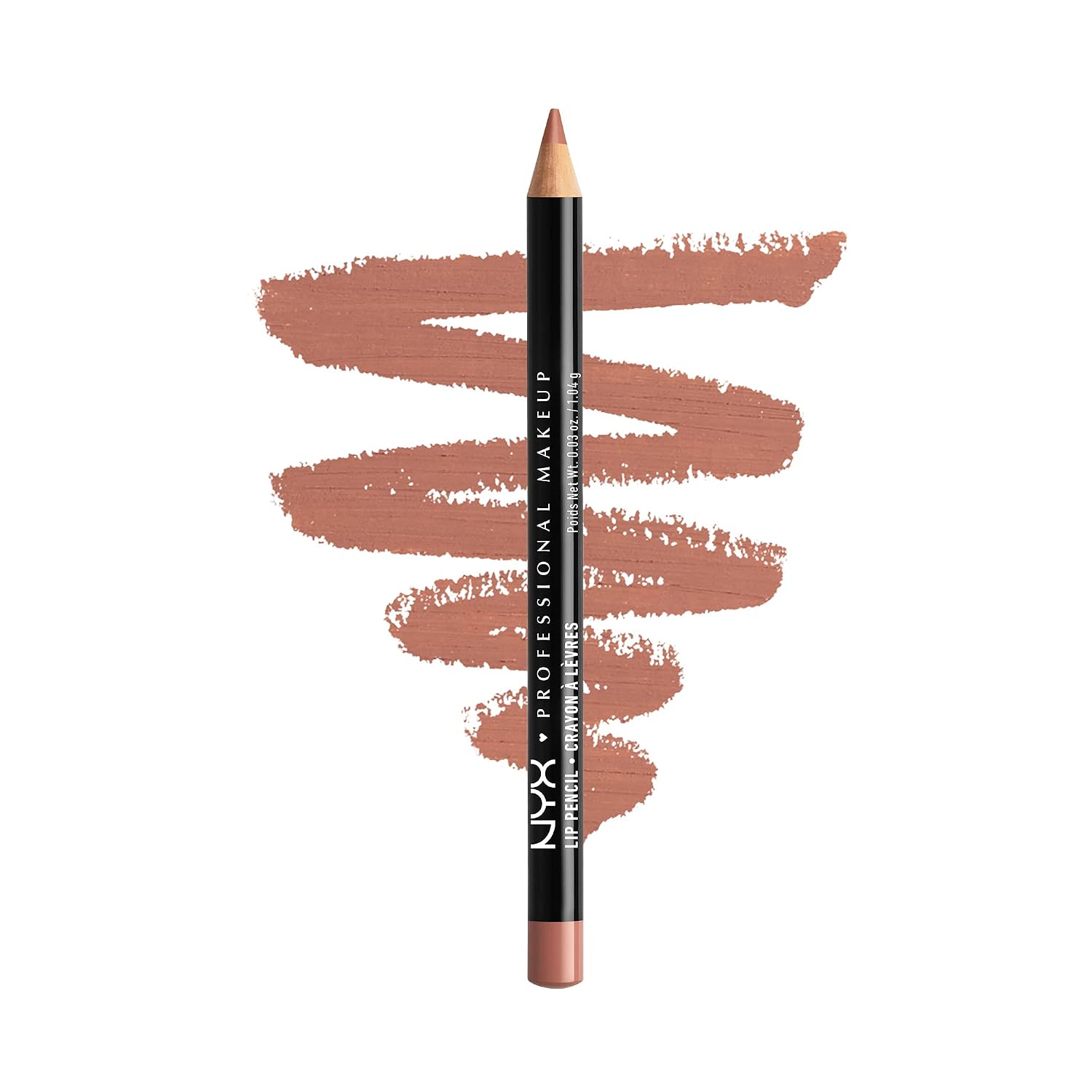
A creamy, affordable lip liner in a wide range of neutral shades. Use it the way the Victoria’s Secret team did: line and fill the whole mouth early, so the color holds through hours of talking, eating and touch-ups. Choose a shade close to the natural lip, then add balm or gloss later. Meanwhile, keep a few neutral browns in your kit, because they suit a wide range of skin tones. Sharpen and sanitize the pencil between clients.
Use the products in this guide to practice skin-first work in a single session. Start with the essence on clean skin and let it absorb fully. Then apply your base only where it is needed, pressing it in with your fingers. Next, warm a small amount of cream color on the back of your hand and tap it onto the cheeks. Finally, place a tiny amount of balm on the high points of the face, where light naturally falls. In addition, repeat the routine with a brush instead of fingers and compare the two images side by side. The finger-blended version usually looks softer at the edges.
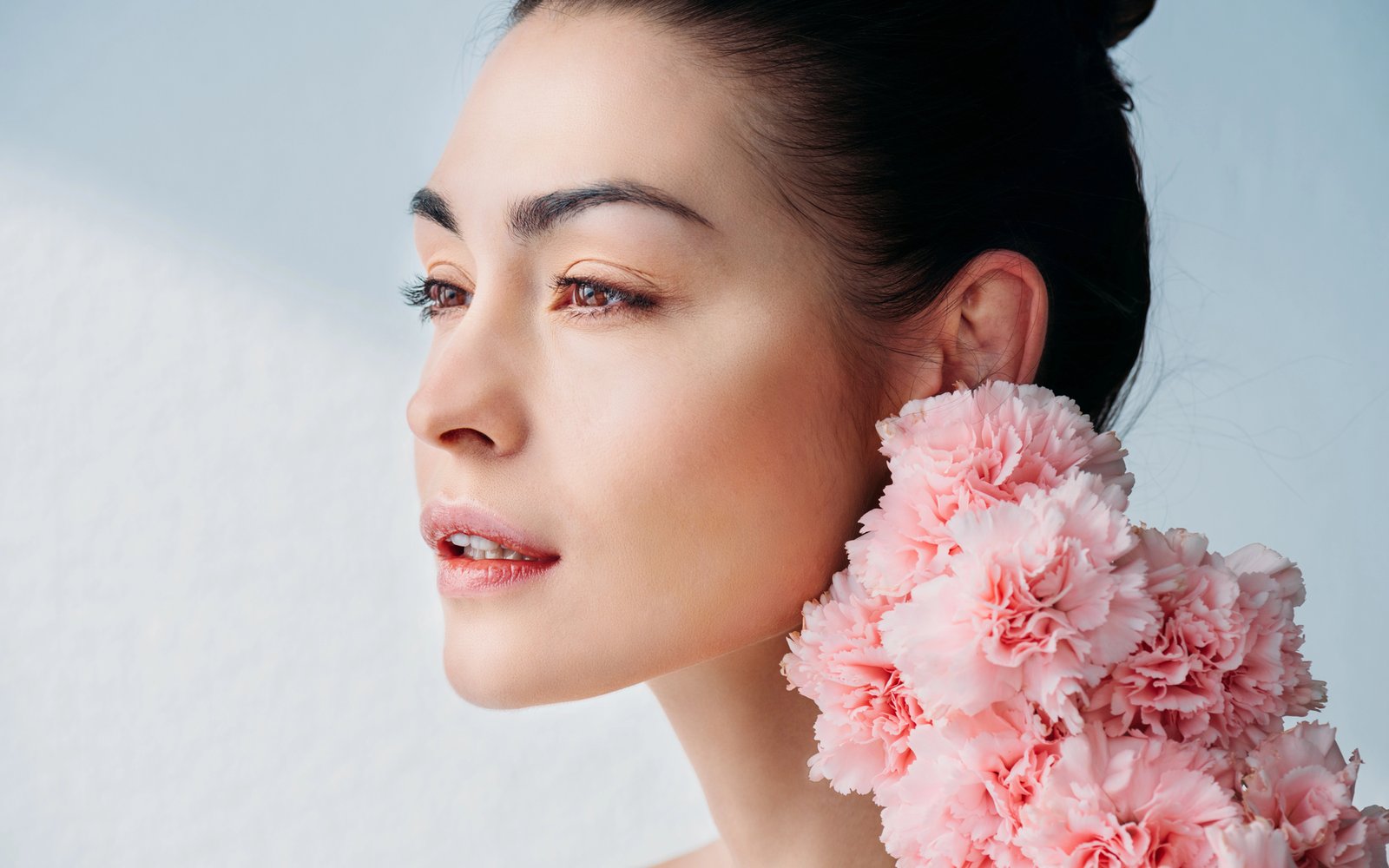
Practicing eyes and lips
The eye and lip techniques from the shows need only a few textures. A soft pencil gives you a line that can be smudged into a haze, as at Anna Sui and the Victoria’s Secret show. Next, a creamy lip liner lets you set a shape early and keep it for hours. A clear gloss adds the shine that makes a mouth look fresh on camera. With those three textures, you can rehearse most of the Pat McGrath makeup looks described above on a practice model. Start with the eyes, because smudged pencil can drop onto the cheek. Then clean up underneath before you move to the lips. Meanwhile, time each step, so you know how long the full look takes when a client is waiting.
NYX Professional Makeup Butter Gloss, Sugar Glass — clear shine to finish
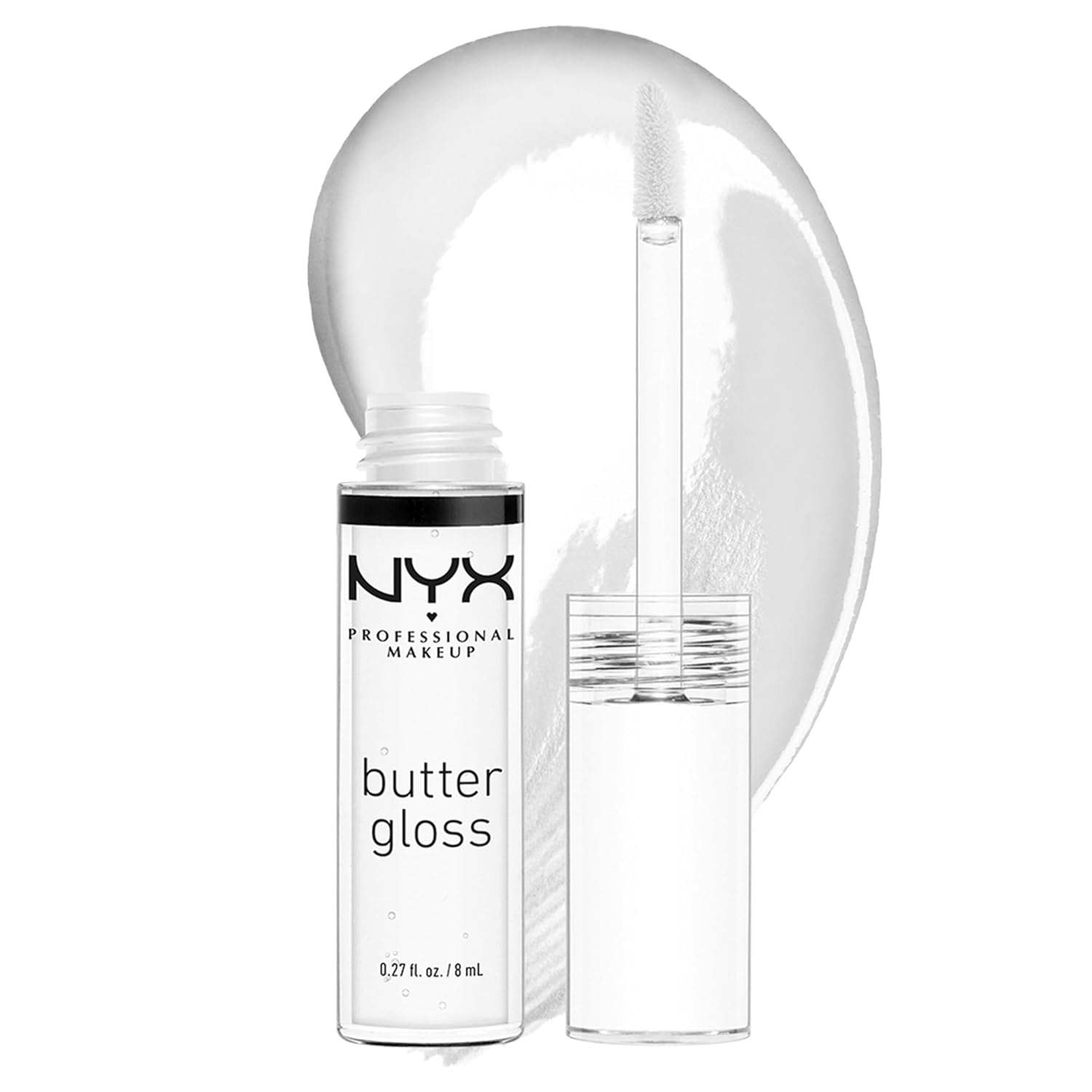
A clear, non-sticky gloss that adds shine over liner or bare lips. It is useful for practicing controlled shine, one of the habits that runs through the looks above. Apply it to the center of the lower lip first, then press the lips together, so the gloss stays away from the edges. For long events, add it at the very end of the session. Use a disposable applicator for every client rather than the wand.
How a backstage team works
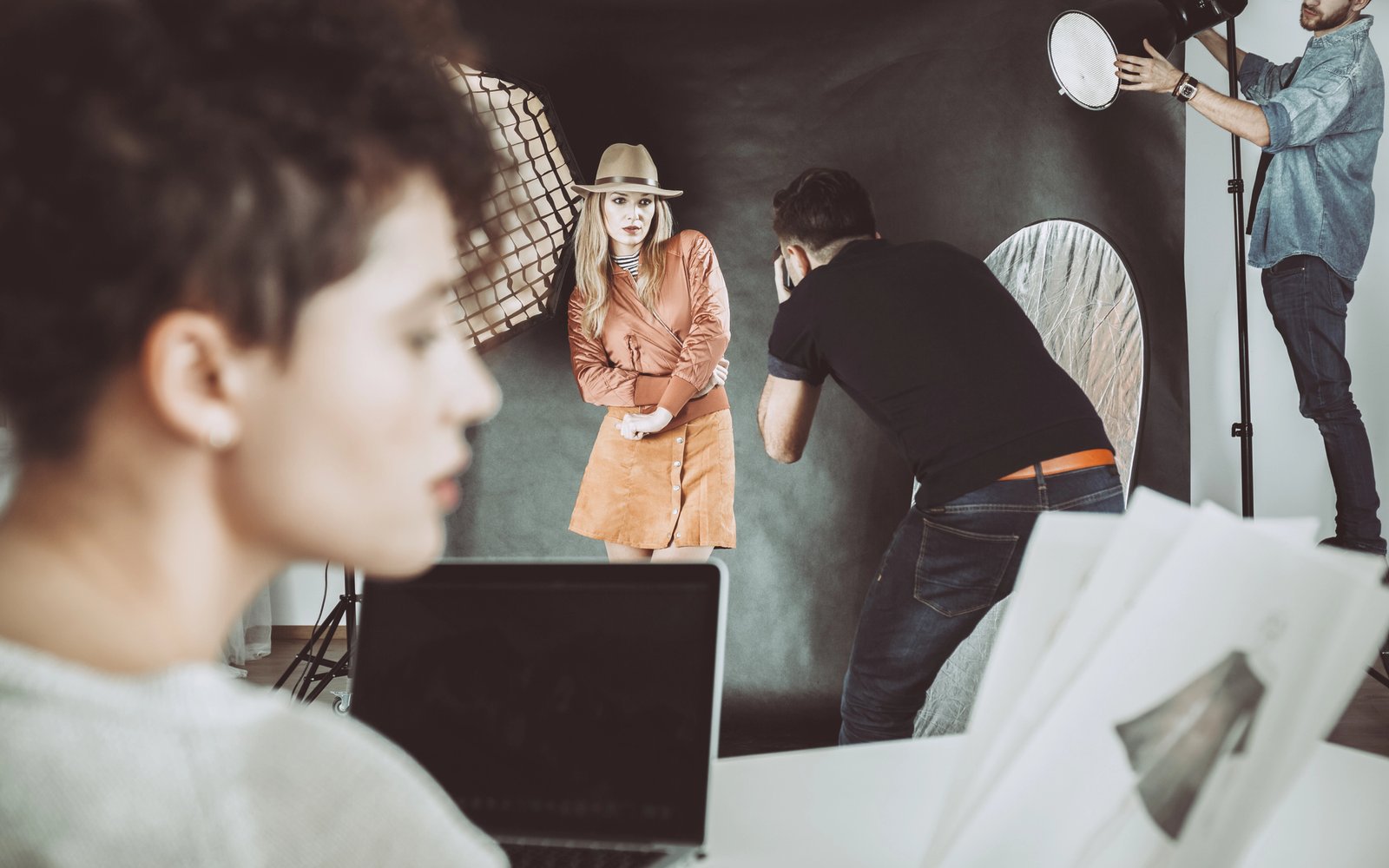
A large show can involve dozens of models and a very short window before they walk. For that reason, teams plan runway makeup like a production. The lead artist designs the look with the designer, often in tests days before the show. Then the team records the look with photos, notes and face charts, so every artist can follow it. On the day, a team of artists works in parallel, each with an assigned set of models. The lead artist moves around the room, checking faces and correcting details. In the Vogue interview about Margiela, McGrath spoke of combining several artists’ techniques to achieve the final effect. That kind of collaboration is only possible when the team shares a clear plan and a common kit.
Starting as an assistant
If you hope to work backstage, start by assisting. Assistants prepare stations, clean tools, hand products to lead artists and apply simple steps such as skin prep. Over time, lead artists trust them with full faces. Meanwhile, they learn the discipline that shows demand: punctuality, quiet focus and the ability to repeat one look exactly. Our guide on how to become a makeup artist assistant explains the skills, kit and first jobs. In addition, build a reputation for speed without shortcuts, because runway teams have no room for redoing a face. Finally, keep your own kit organized, labeled and easy to carry, so you can join a team at short notice. Above all, arrive early, listen closely and leave every station cleaner than you found it.
Teams also rely on shared language. A lead artist might say “more glow on the cheekbone” or “soften the wing,” and every artist must understand the instruction the same way. For that reason, study the vocabulary of finish, texture and placement. Learn the difference between sheer, satin and gloss, and between blending, buffing and pressing. Meanwhile, practice reading a face chart quickly and translating it onto real skin. Charts are flat, while faces are not, so you will need to adjust for bone structure and skin tone. Our guides to color theory for makeup artists and face shape theory explain how to make those adjustments with confidence. Keep notes on every look you assist on.
Recent work, 2024 to 2026
The last few years have brought major changes to her career. In August 2025, Louis Vuitton launched its first makeup line, La Beauté Louis Vuitton, with McGrath as Creative Director, Cosmetics, according to Cosmetics Business. Meanwhile, Pat McGrath Labs filed for Chapter 11 bankruptcy protection on January 27, 2026, in the Southern District of Florida. According to a second Cosmetics Business report, a judge approved the exit plan on April 17, 2026. GDA Luma took control through a new holding company, and McGrath became chief creative officer. For working artists, it is a reminder to protect your own business; our guides to pricing makeup services and makeup artist contracts cover the basics.
What working artists can take from her work
The most useful lessons in Pat McGrath makeup looks are not about specific products. They are about approach. First, prepare skin carefully, because every look sits on it. Second, use your hands as tools, especially with cream textures. Third, build color in thin layers, so you can adjust as you go. Fourth, treat shine as a design choice, placing it where you want the eye to land. Fifth, plan for repetition: a look that cannot be repeated by a team, or by you on a second client, is not finished. Finally, document everything, because notes and photos turn one good result into a reliable technique. These habits will improve your bridal, editorial and on-set work, not only your runway ambitions.
Aquaphor Healing Ointment — a balm for editorial shine
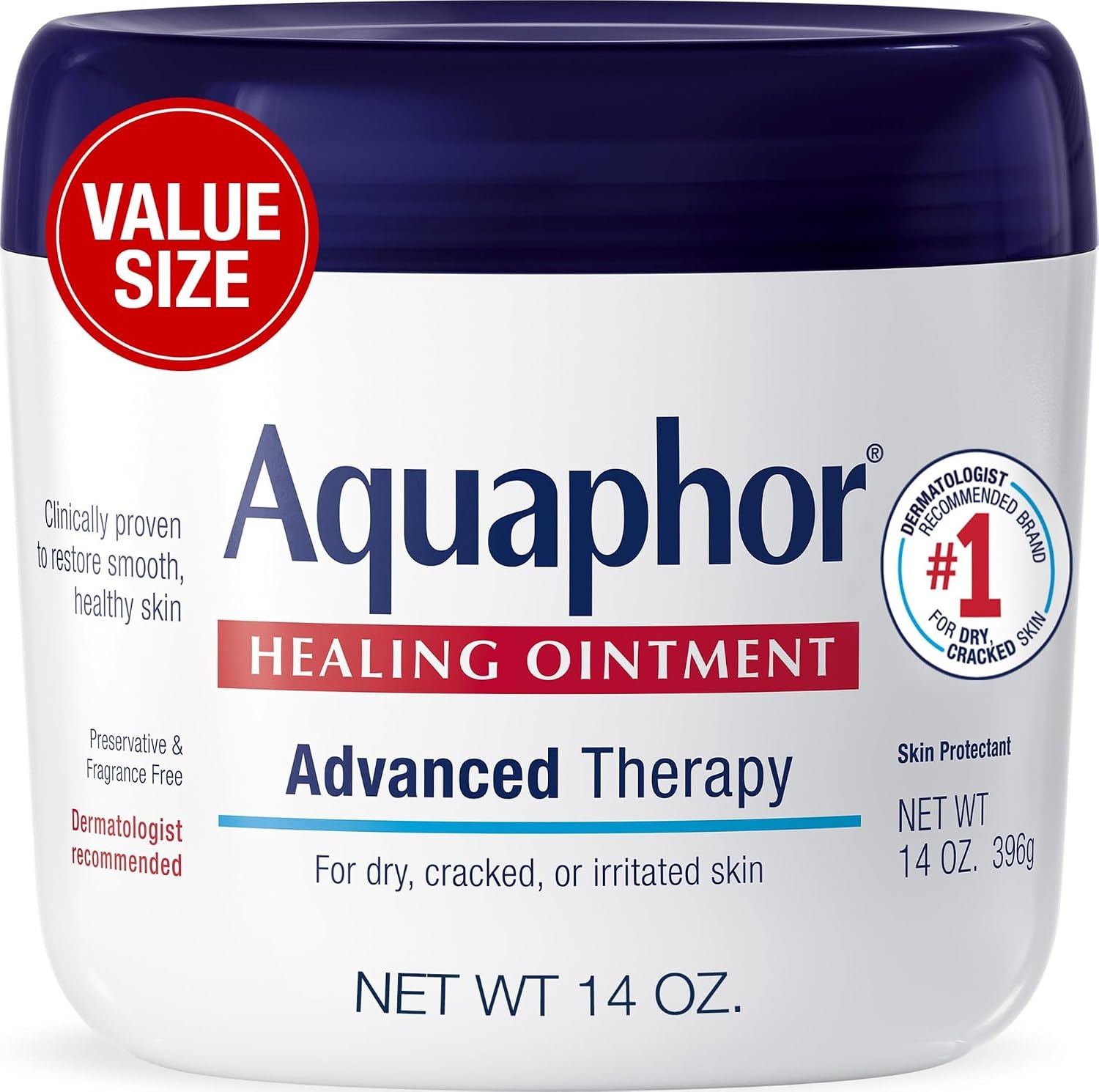
A simple, fragrance-free ointment that many artists keep for dry lips and editorial shine. A tiny amount tapped onto the cheekbones, brow bones or lids catches light much like the glossy finishes in runway photographs. Apply it last, because it can lift powder and cream products underneath. Take it from the jar with a clean spatula, never your fingers. For clients who must last all day, keep the shine to lips and cheekbones and blot it gently.
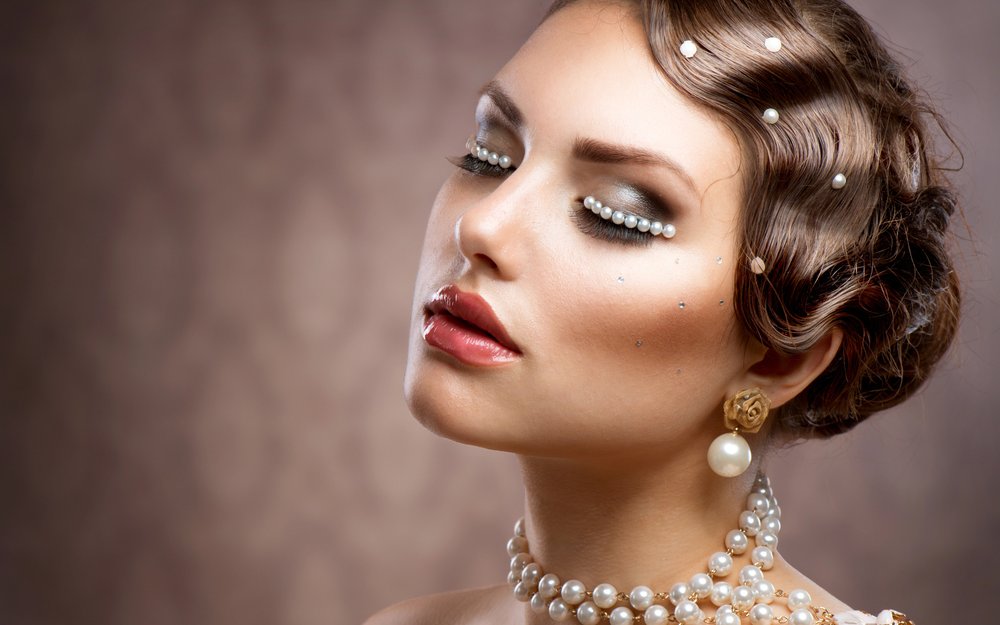
Embellishment is another area where runway work can inspire everyday artistry. Small details such as pearls, gems or a single graphic line can quietly lift a simple face. However, embellishments need restraint and secure placement, especially near the eyes. Use cosmetic-grade adhesive or self-adhesive gems designed for skin, and keep them away from the lash line on clients. Meanwhile, test the look on camera, because small details can disappear in wide shots and dominate close-ups. For editorial shoots, discuss embellishments with the photographer and stylist before you start, so the whole team agrees on the story. Carry tweezers and a small mirror so you can adjust placement quickly between each frame.
Self-Adhesive Pearl Face Gems — for editorial embellishment
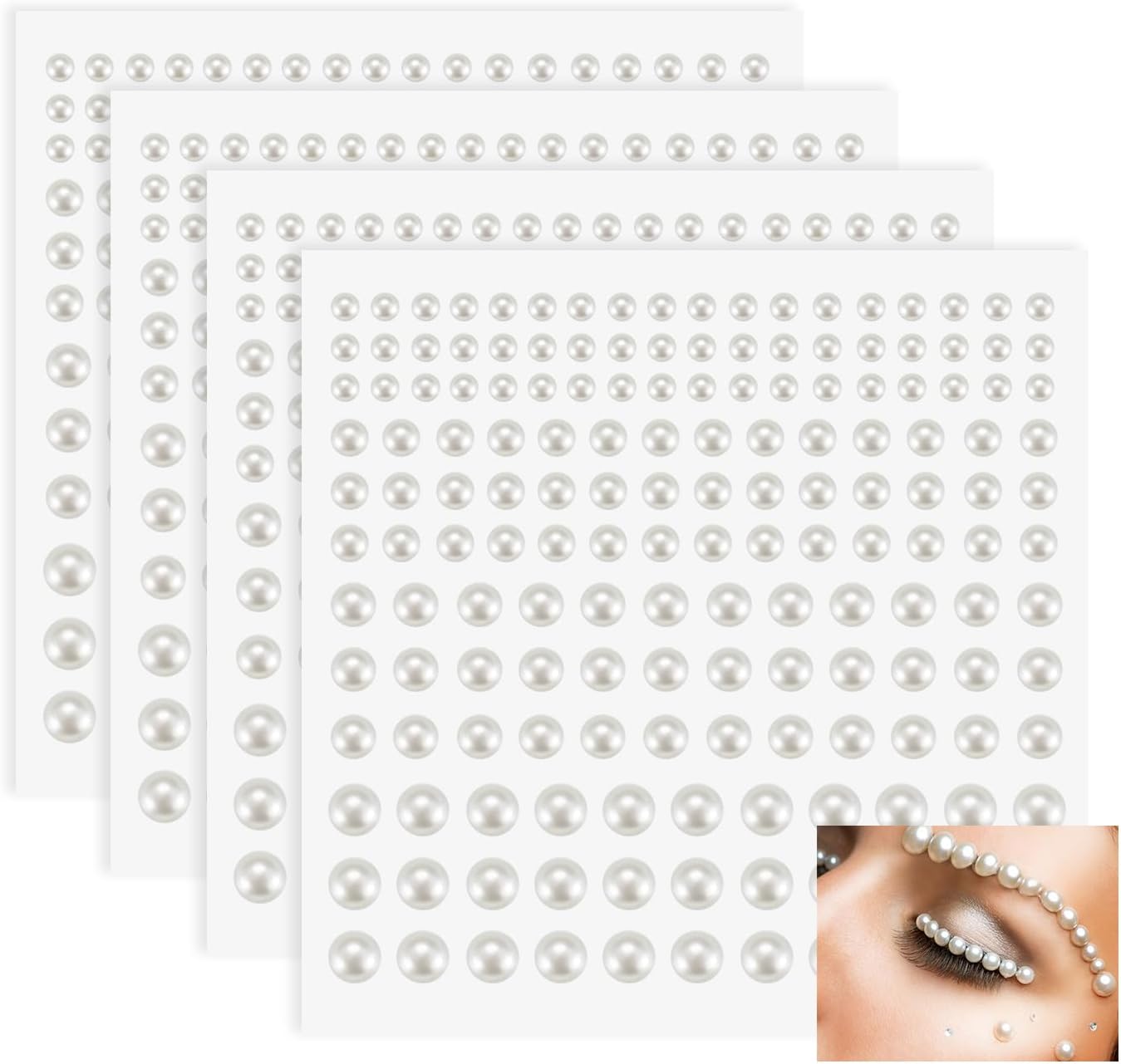
A set of flat-backed, self-adhesive pearls in several sizes, made for face, hair and nail decoration. They are useful for practicing placement on editorial looks and for adding a single detail to a bridal or event face. Place them with tweezers, starting with one pearl and adding more only if the face needs it. Keep them well away from the eyes and test adhesion on the skin first. Remove them gently with oil.
Learning from great artists also means looking widely. Follow working artists who explain their process, not only those with the largest audiences. Our list of makeup artists to follow on Instagram highlights accounts that teach technique. Meanwhile, read the craft’s history: our guide to the best makeup books for makeup artists gathers the titles professionals return to. In addition, interviews with working artists show how careers are actually built, as in our interview with Netta Szekely. Above all, practice. Reading about Pat McGrath makeup looks is useful, but only repetition on real faces turns ideas into skill. Set aside one session a month to recreate a runway look, then adapt it for a real client.
Sources
Sources checked October 2026
Learning from the masters, then finding your own hand
Studying Pat McGrath makeup looks is a little like studying a great painter. You learn the materials, the order of work and the choices behind each finish. Then you put the book down and paint your own way. Her work shows that skin, texture and shine can carry a face as much as color can. It also shows that the best ideas are the ones a team can repeat under pressure. Meanwhile, her career shows that craft endures while businesses rise and change. Take the techniques that suit your clients, practice them until they feel natural and keep notes on everything. In time, the habits become yours, and your own looks will start to travel too, carried by the clients who wear them.
Tools and library
Three tools for the working artist
The three tools above support the business that sits behind the craft. The calculator helps you price editorial, show and bridal work so your time, travel and kit are covered. Meanwhile, the quiz helps you decide whether runway, film, editorial or bridal work suits you best, which shapes the techniques worth practicing first. The library gathers the career guide, notebooks and workbooks, including pages for face charts and kit logs. Start with the quiz if you are still choosing a direction. If you are already working, start with the calculator and review your rates for the coming season. Revisit all three as your career grows, because the right tools change with your work.
From the Artist Library
The Makeup Artist Career Guide, Volume 1
Runway, editorial and set work each follow their own path. The guide covers assisting, agencies, pricing and building a portfolio, in plain terms.
View the guide
Questions worth asking
Who is Pat McGrath?
A British makeup artist who leads runway beauty for major fashion houses and was named a Dame in the New Year 2021 Honours.
What are Pat McGrath makeup looks known for?
Prepared, light-reflecting skin, color blended by hand, layered pigment and gloss, and the glazed finish at Maison Margiela in 2024.
How did Pat McGrath create the Margiela glass skin?
Vogue reported that a full makeup look went on first, then a reflective top layer made from a backstage mix that included water, gel-style face masks and a cucumber mask.
Does Pat McGrath use her fingers to apply makeup?
Sometimes. She told NewBeauty in 2025 that fingers give more control over pressure and blend better because of their warmth.
What is La Beauté Louis Vuitton?
Louis Vuitton’s first makeup line, launched in August 2025 with Pat McGrath as Creative Director, Cosmetics, according to Cosmetics Business.
How can I work backstage at fashion shows?
Start as an assistant, learn to prepare stations and skin quickly and build a reputation for repeating one look exactly.
Source: Cossèt Môi – www.cossetmoi.com