



At its core, girls like girls is a story about first love. Butterflies, confusion, and the exhilarating angst of youth all play out in the warm glow of 2006 Oregon.
The film tells the story of Cory (Maya da Costa), a teenager who moves to a small town in Oregon to live with her estranged father. There she meets the charismatic Sonya (Myra Molloy), her boyfriend Trenton, and the rest of their close-knit group of friends. What begins as an innocent attraction quickly evolves into something deeper as Cory is drawn into Sonja’s orbit and overcomes indescribable emotions.
But for Hayley Kiyoko, this is more than just a movie adaptation. This is the culmination of a story she has spent over a decade building.
A 10-year journey from song to feature film
What started as Kiyoko’s 2015 song ended up becoming a life-changing music video that racked up over 163 million views on YouTube and helped define queer internet culture for an entire generation. Years later, she expanded this story into a best-selling young adult novel, which was later released theatrically as a feature film.
Few LGBTQ+ stories have been allowed to evolve in this way, growing with their audience and adapting to them at different stages of life.
Its longevity is girls like girls I feel it’s very important. At a time when queer stories continue to struggle for recognition, and Sapphic stories in particular remain often ignored, this film serves as a reminder that these stories are worthy of investment, have a chance to last, and become cultural landmarks.
Kiyoko realizes how special this moment is after spending ten years building this world.
“It feels very special that they allowed us to release this film during Pride in June,” she told us. “This is a summer movie. It’s coming to theaters. This summer is for gays.”
And if she could leave viewers with one message for Lesbian Summer, what would it be?
“To go see girls like girls”
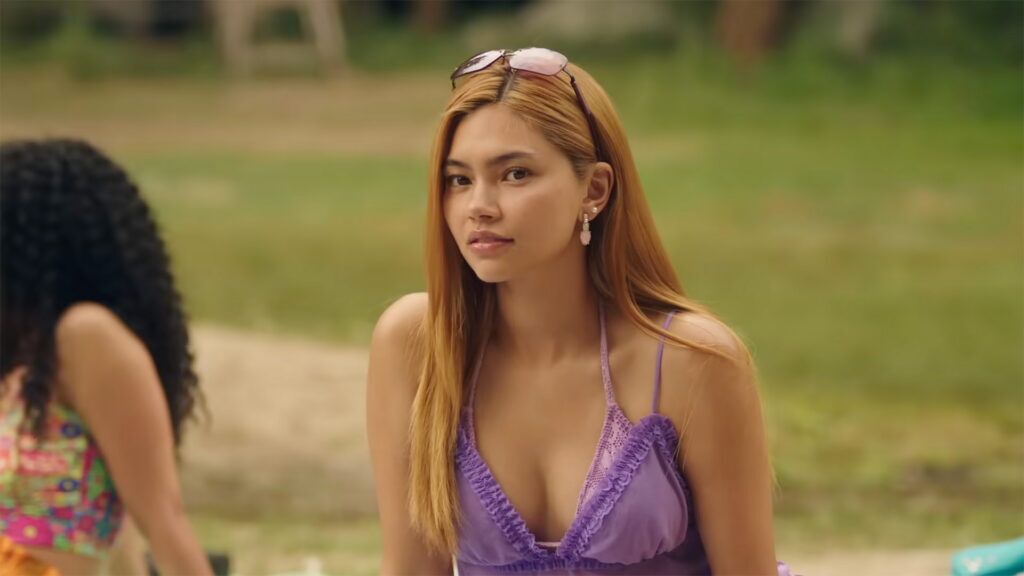
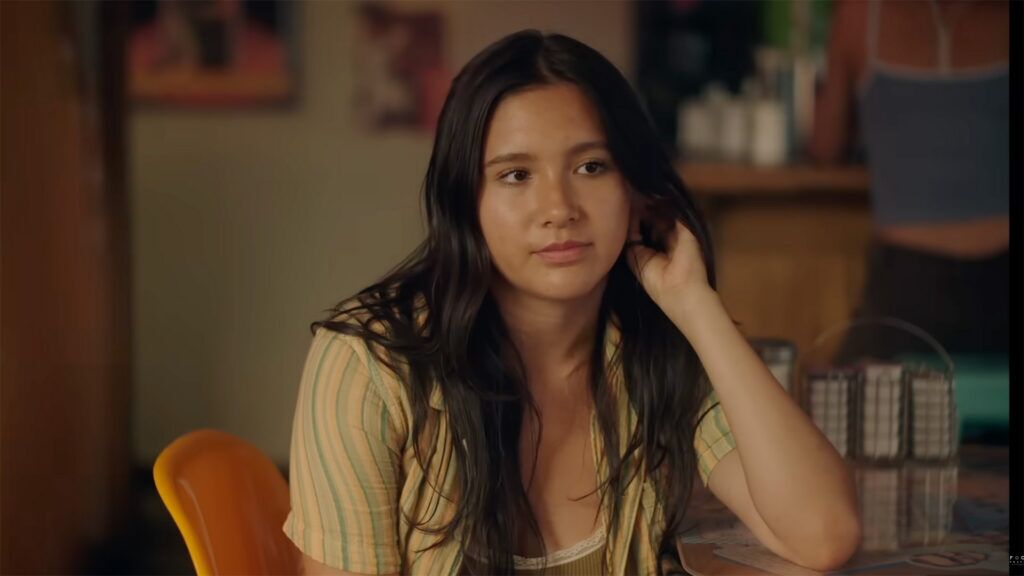
Hayley Kiyoko created an unprecedented expression
One of the most moving parts of our conversation was when Kiyoko reflected on the origins of her artistic journey.
I felt seen by so many people girls like girls However, as a child, Kiyoko did not have media that could serve such a purpose. Instead, she had to create it herself.
“I think what really helped me make the decision to create art was the lack of expressiveness,” she explained.
She also said that she started writing music because “I didn’t have anyone to talk to about the people I liked.”
That full-circle moment is embedded throughout the film itself. Kiyoko revealed that she reconsidered the idea, which she first wrote when she was 16 and 17 years old, and incorporated it into the soundtrack. She also revealed that “Falling Through” includes samples from demos she recorded as a teenager.
“Going back to the need…We needed to create music for the film because we couldn’t get the music we originally wanted.”
In many ways, this statement perfectly sums up her career. If the story didn’t exist, she created it herself.
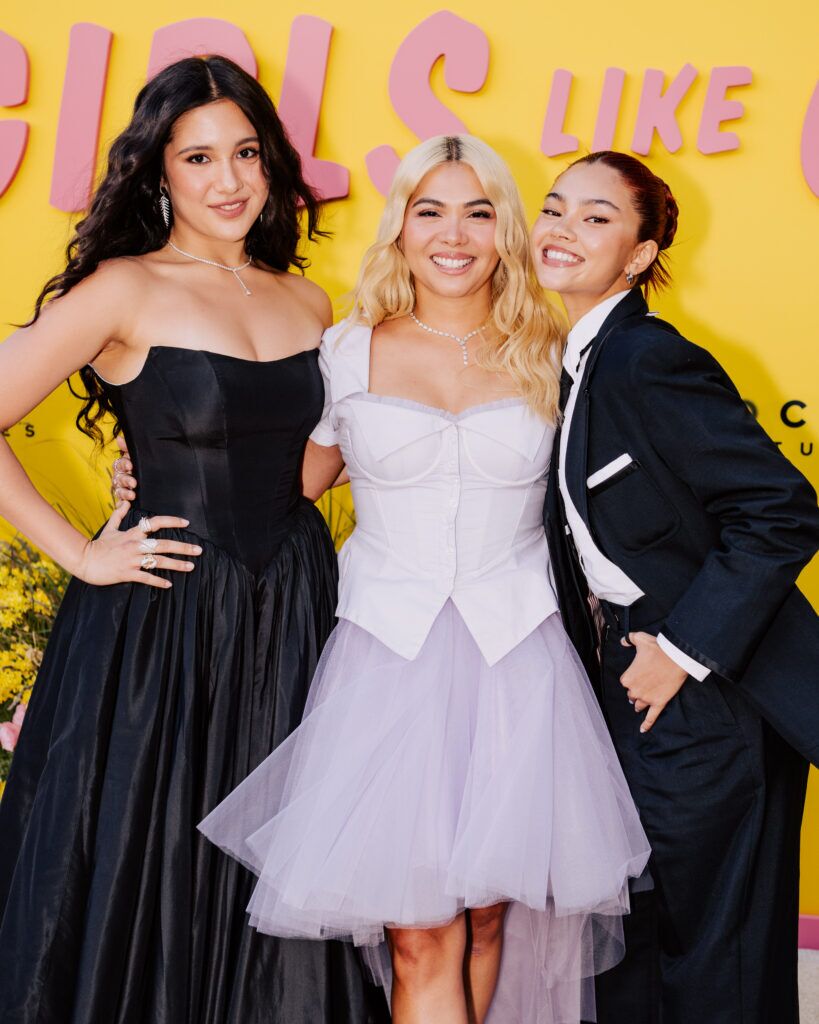
Why the smallest moments leave the biggest impact
The film also highlights one of its most influential ideas. It’s that sometimes the smallest moments end up being the most meaningful.
Rather than relying on grand, romantic speeches, girls like girls It incorporates the subtle interactions that characterize many first clashes. A nervous look. An awkward feeling of tension. A fleeting moment that somehow means everything.
“When you’re young and in love, there’s a lot of uncertainty. You think, ‘Am I overthinking it? Am I going crazy?'” This movie shows that you’re not crazy. It exists. ”
One example that caught the cast’s attention was a scene where the characters’ knees touch in the back of a car.
It’s only a moment, but that’s exactly what counts.
“I think the most beautiful thing about the human experience is that we always say so much without language,” Molloy said, adding that the film ultimately feels like “Haley’s POV on film.”
Da Costa also highlighted why these small interactions are especially meaningful to young queer viewers.
“When you’re young and in love, there’s a lot of uncertainty. It’s like, ‘Am I thinking too much? Am I going crazy?'”
Her answer is the whole reason this story resonates.
“This movie shows you’re not crazy. It exists.”
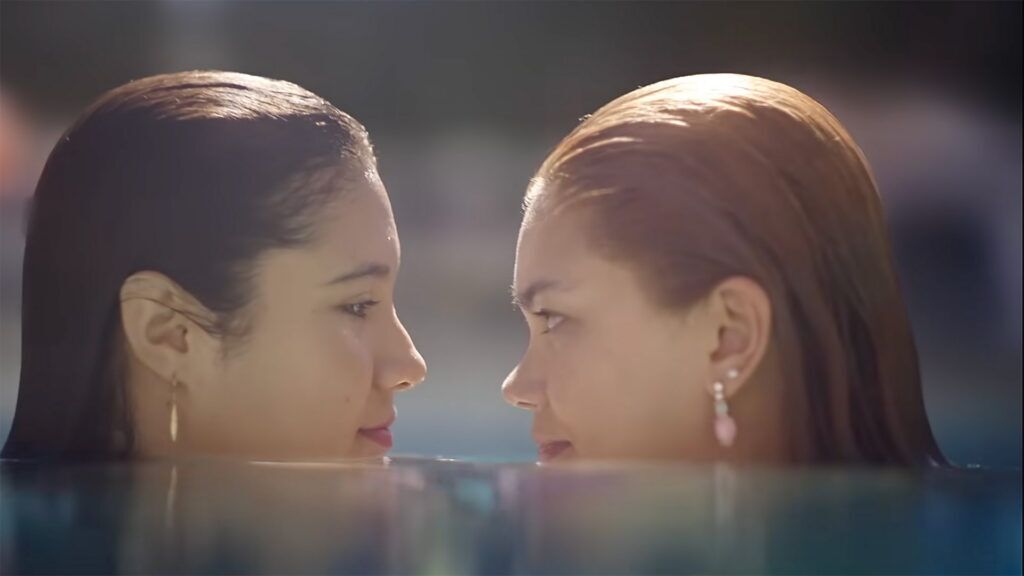
Above all, girls like girls It’s about being seen.
It’s about legitimizing small crushes and complicated feelings that may feel inexplicable when you’re younger. It’s about reminding queer viewers that their experiences are not imaginary, dramatic, or isolated.
It’s also about letting more people see themselves on screen, especially young people of color, who are often not seen at the center of epic, entertaining first love stories.
And perhaps that is the greatest achievement girls like girls. It didn’t last for 10 years, it just kept growing until it became exactly the kind of story that the younger generation deserved to inherit.
Because there’s more to queer women than subtext.
They deserve to be sung. They are worth reading. They deserve a movie. And they are entitled to an entire world built around their experiences.
girls like girls Starring Maya da Costa, Myra Molloy, Levon Hawke, and Zach Braff. The film is based on the story of Kiyoko Okuno and Chloe, and was co-written and directed by Hayley Kiyoko with Stephanie Scott. The feature is produced by Marc Platt, Adam Siegel, Michael Philip, Jason Moring, Richard Alan Reid, Katie McNicol, and Dee Best.
girls like girls is currently showing in theaters. I agree!
Source: Gayety – gayety.com


