



From the streets of New York to the quiet alleys of Taipei, media artist and visual storyteller Chengrang Cho has constructed a visual language from the places and moments most people walk past.
There’s a bit of time between landing in a new city and figuring out where to go, where most people really stop seeing anything. The novelty wears off. The streets begin to feel familiar even before they actually are. Zhao Chenglang is not like most people.
Born in Taiwan and now based in New York after graduating from New York University, Cho has spent years traveling between cities like Tokyo, Taipei, and across Europe, camera in hand and an almost obsessive attention to what others overlook. It’s not a landmark. It’s not a carefully selected destination. Lights on the wet pavement at 7am. A building that stands strangely and quietly, almost out of place.
His practice spans photography, filmmaking, immersive media and creative technology. Through collaborations with Higgsfield AI, DJI, Insta360, and PLAUD AI, we have created campaign- and creator-focused visual content at the forefront of imaging technology. Working closely with these companies gave Cho early access to some of the most advanced creative tools in the industry, and also clarified the distinction he often returns to: what technology can accelerate and what only lived experience can create.
Through these projects and a growing international presence across social media, Cho’s atmospheric approach to documenting cities and everyday life has garnered an audience that recognizes the authenticity in his work, even if he can’t always name exactly what it is.
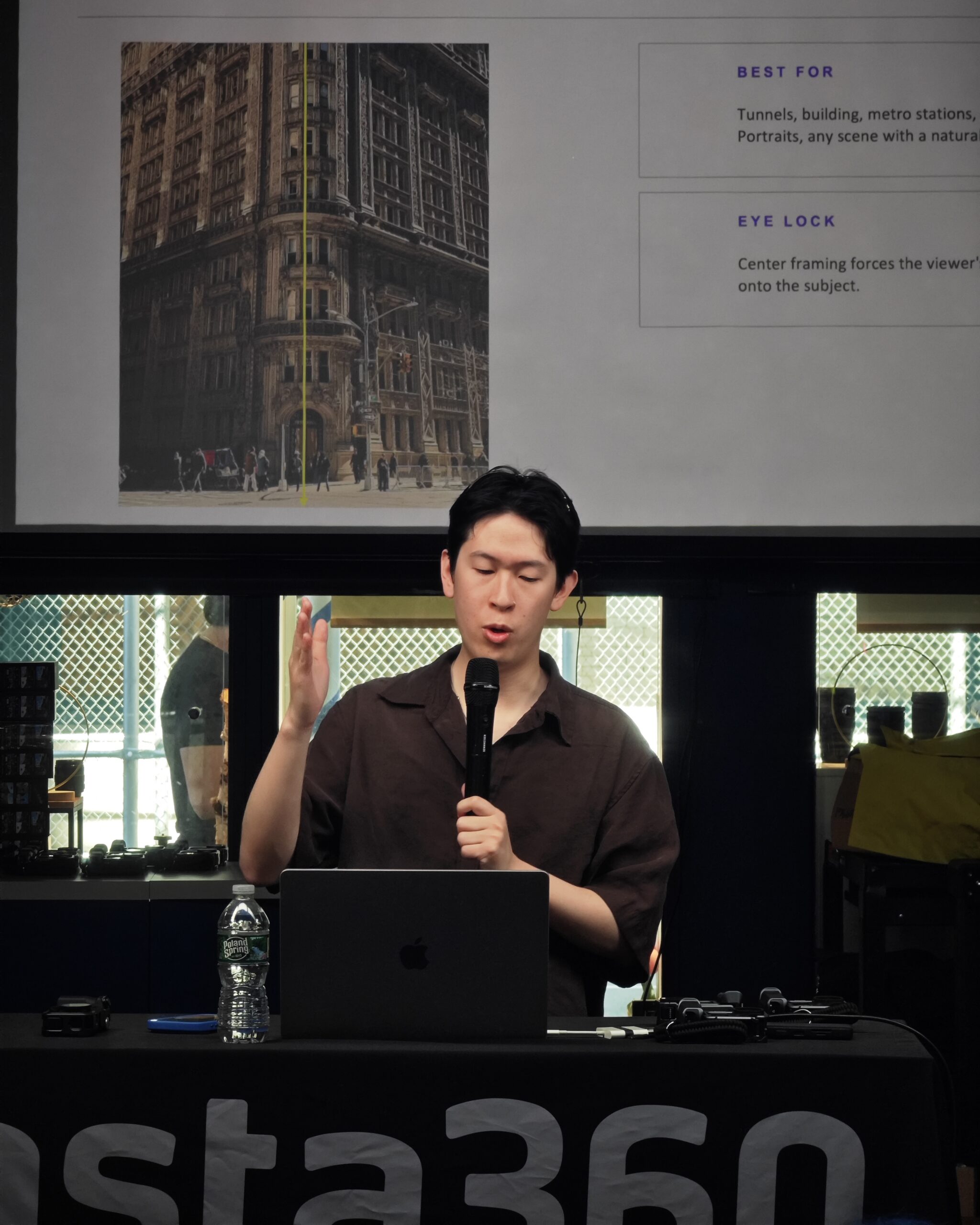
“Technical barriers are coming down. Anyone can now generate visuals. But perspective, instinct, experience, and taste are things that AI can’t replicate.”
Your photos travel the world, but they never feel like typical travel pieces. What do you think about photographing locations?
I’m not interested in collecting shots that everyone already knows. What I’m looking for is the underlying emotional identity, the rhythms and textures of a place that don’t appear on postcards. There’s a tension in Tokyo between density and stillness at 6am. Taipei’s streets are filled with warmth. Try to find that feeling before it disappears.
That sensibility is directly reflected in his commercial work. Working with companies building the next generation of imaging tools has given Cho a front-row seat to where visual production is heading, reinforcing the simple belief that technology expands possibilities, but cannot replace the personal.
How has working with major companies like Higgsfield AI, PLAUD AI, Insta360, and DJI influenced your creative process?
It clarified things. We’ve looked at exactly what these tools can do: generation, scale, speed, and where they’re really lacking. AI has no sense of taste and no intentions like humans. Many of my decisions are emotional. I photograph things because they remind me of a feeling I had years ago. That’s not something a model can generate. Although I use AI to explore ideas faster and adjust direction, the core of my work still comes from my skills and lived experience.
New York shaped him more than he admits. Cities are places that require constant attention, where we are forced to quickly and repeatedly decide what is actually important amidst relentless visual noise. He developed these instincts over many years working as a creator in one of the world’s most demanding visual environments, and they continue to influence both his artistic and commercial activities.
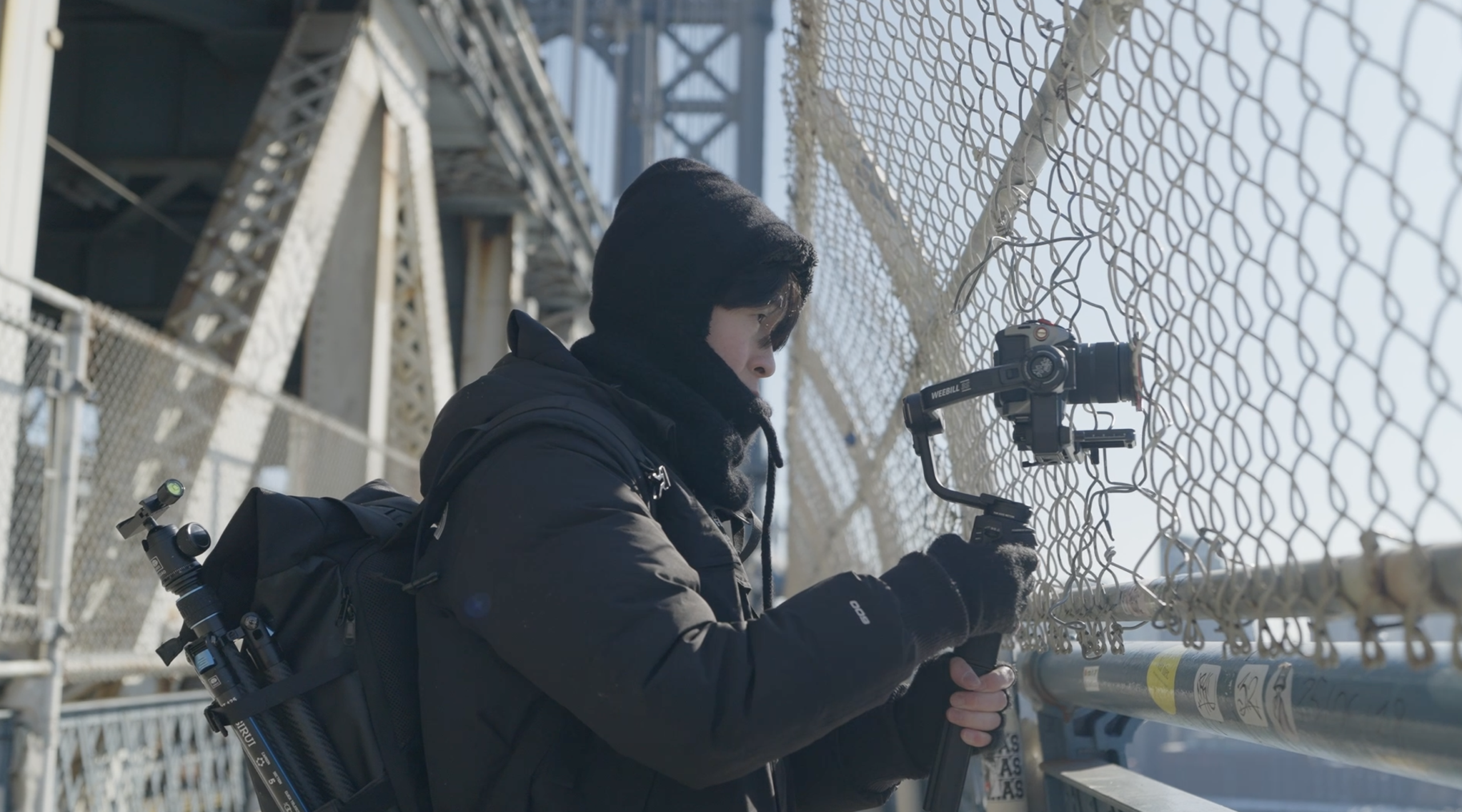
Where does this focus on quiet, often overlooked moments actually come from?
I’m an outsider wherever I shoot. If you’re not from somewhere, there’s no filter to stop locals from seeing what’s out there. I grew up in Taiwan, moved to New York, and continued to move around. Every time you arrive in a new place, everything feels new and there are windows worth paying attention to. I have tried to extend that period as much as possible.
As artificial intelligence continues to reshape creative industries, Cho represents a generation of visual artists and content creators who are working directly with the tools that are transforming the field, and who are using them to hone their authorship rather than resisting them. His collaborations with some of the world’s most advanced creative technology companies have not replaced his process. they made it clear.
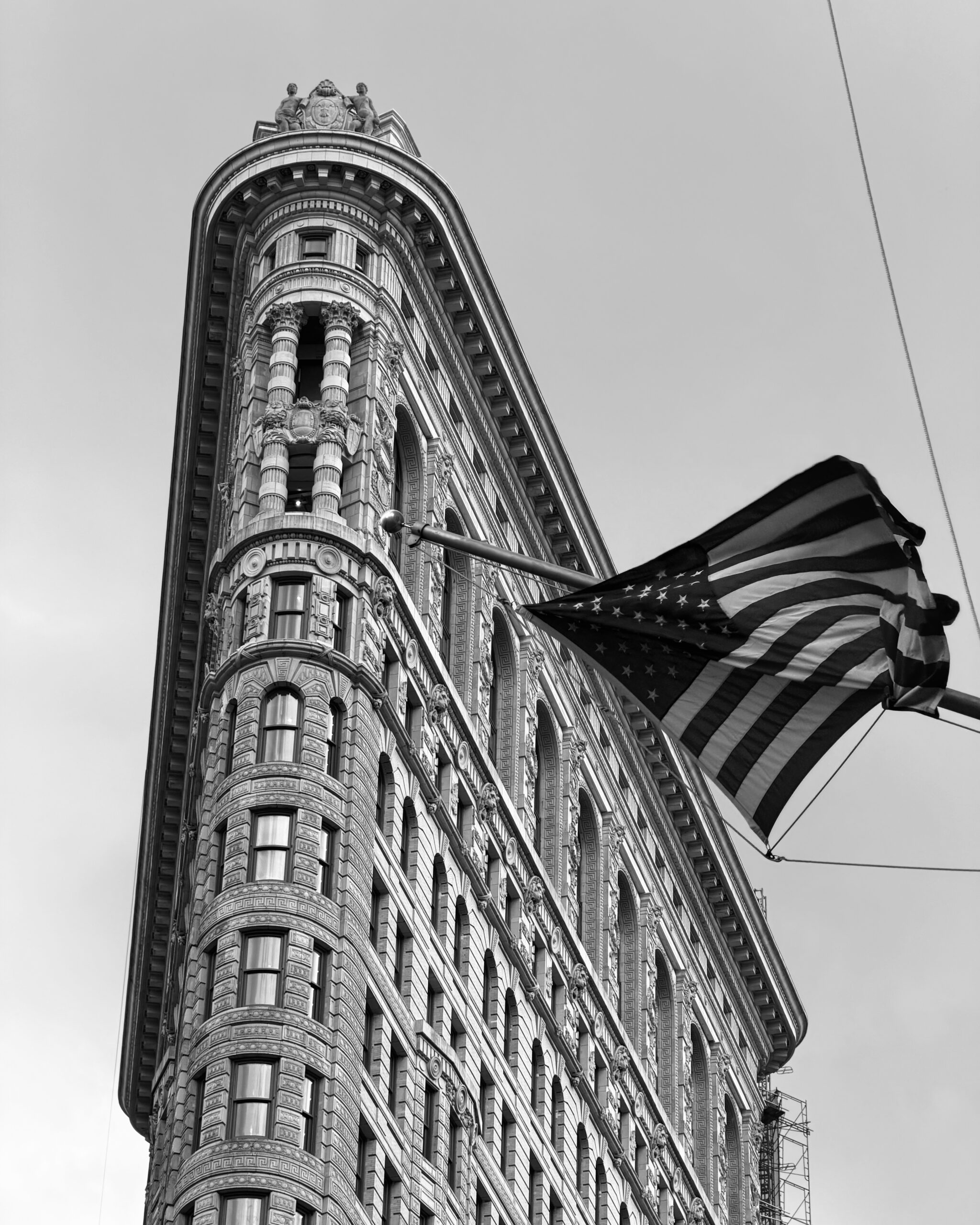
For Cho, AI is a tool for exploration, never an origin. The final image comes from something slower, more personal, and harder to replicate: memories, emotions, and moments that no model has been trained on.
If you look closely at his work, you’ll notice a consistency that has nothing to do with presets or color grading. Every image feels like it has life in it. As if someone was there and was seriously paying attention. In an increasingly automated visual environment, such considerations remain salient.
Source: Our Culture – ourculturemag.com


