



Intersecting the fields of architecture, performance, and visual art, curator and cultural researcher Luol Wang creates a dialogue between perception and reality.
The conceptual framework of her practice mandates the gallery space as an organic, porous site that fosters the enduring unfolding of thought, memory, and meaning. Of course, this fluid field and the artwork it contains makes an impression on us, but Wang also asks us to think about what we make an impression on it, too. What new meanings will emerge?
Wang has curated and collaborated on exhibitions from Kyoto to Hangzhou, as well as international projects such as the London Architecture Festival, the Ars Electronica Festival in Linz, and the KIKK Festival in Belgium. Her approach often focuses on interdisciplinary narratives that integrate art, craft, and technology to create spaces that reflect both the senses and the intellect.
Her curatorial reasoning prioritizes the generative structure of experience, which allows visitors to rediscover the relationship between self and world in the interplay of vision and thought. We recently saw this in “When We Were Birds,” a solo exhibition of artist Ke Qin’s digital works that Wang curated. Through four videos, Hata depicts the situation of displacement that has been created amid continuous changes in climate policy and social structure. The bird of the title is envisioned as a metaphor for examining the physical and psychological migration experienced by refugees and the pressures and alienation it causes in modern society.
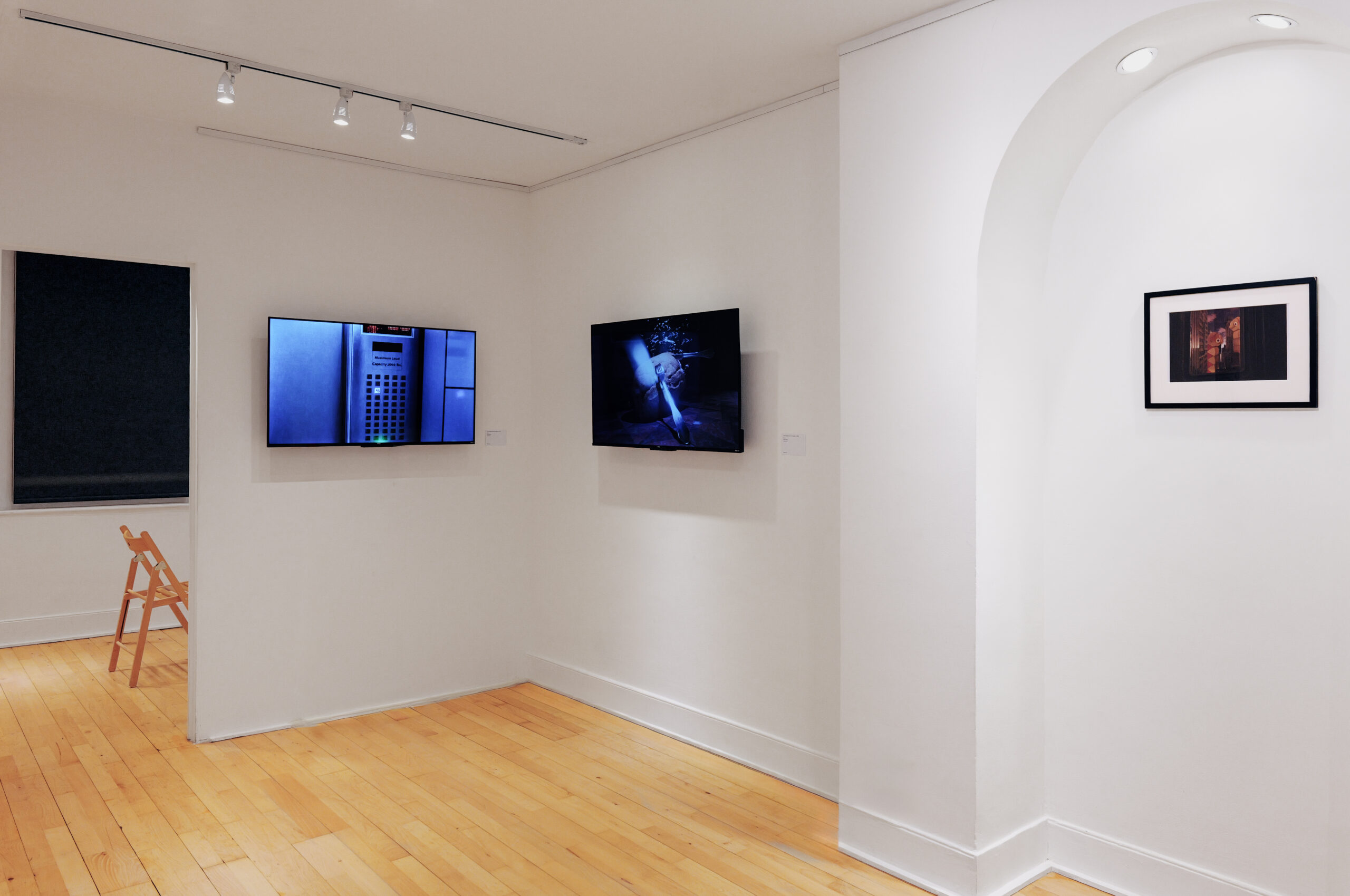
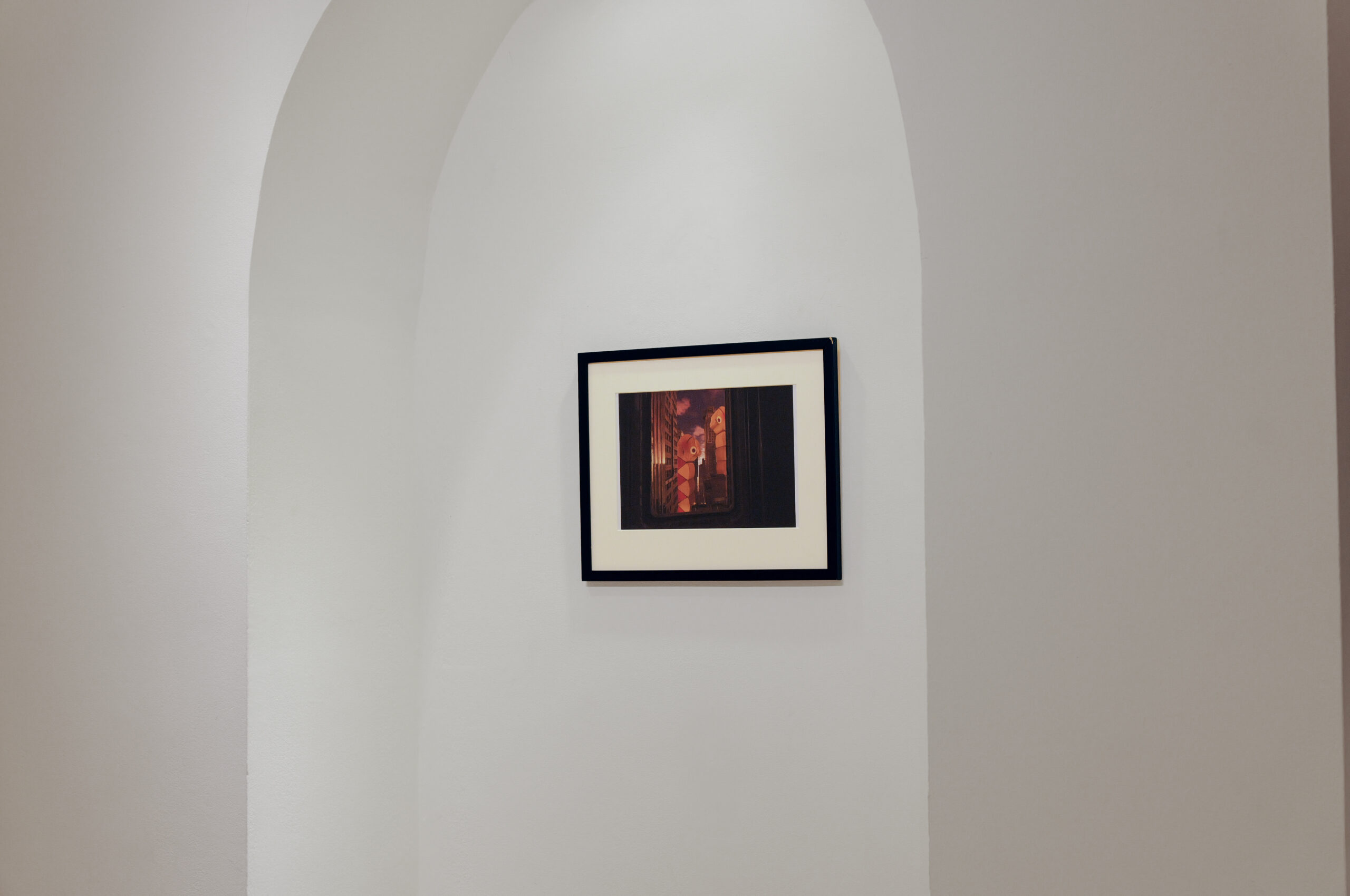
As the external architecture is reshaped, individuals can lose their sense of belonging. Chin seeks to capture this feeling in a series of disconcerting scenes in which the familiarity of childhood memory, embodied by a wooden caterpillar, takes an absurd place. They creep behind elevator doors, litter tables, and loom large among the skyscrapers of claustrophobic cityscapes. The richly colored palette reinforces the perspective of the invisible imbalance between reality and fantasy, a central theme of Wang’s curatorial practice.
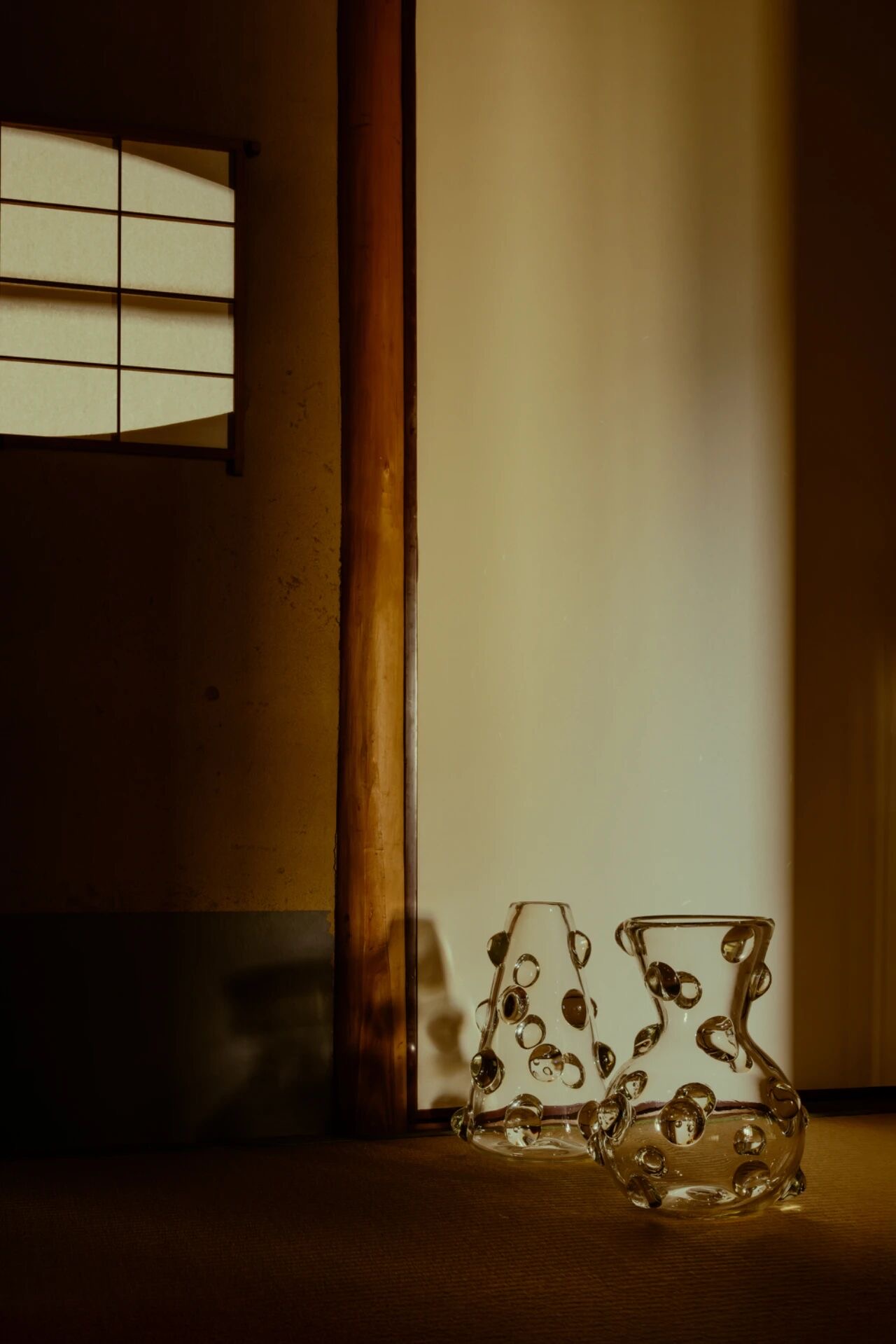
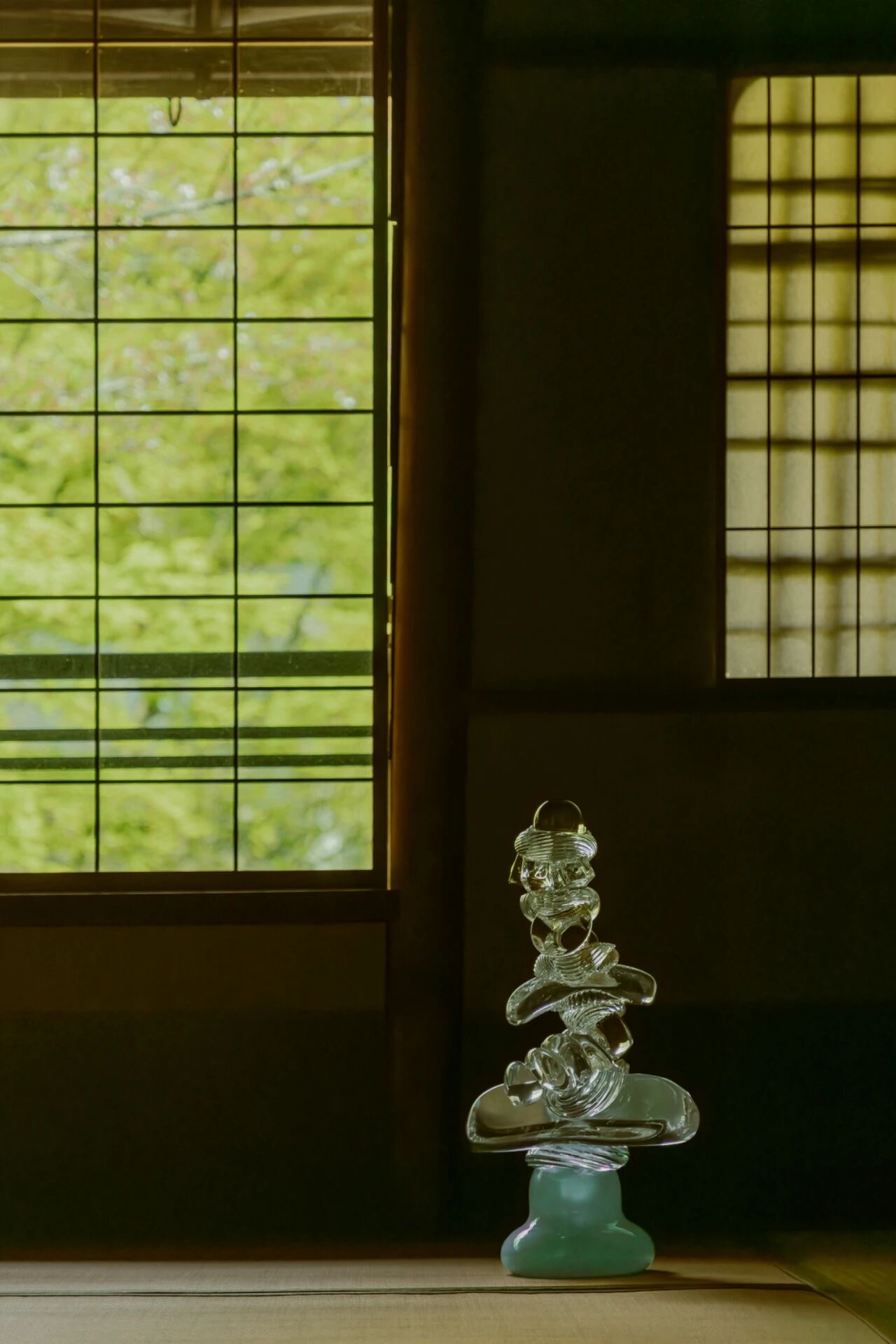
A similar methodology was applied to Wang’s presentation of glass artist Yoshihiko Takahashi’s work at Haranokami Gallery in Kyoto. For Takahashi, glass is a material language that can express both quantity and emptiness at the same time. Modeled largely by the whims of nature, his sculptures formally embrace the notion of (un)becoming, where spheres melt into floorboards and the mouths of blistered, reamy vessels threaten to disappear as a mediated condition of existence. Works of art are literally architecturally activeHere they are attached to wooden beams or eaten ahead of a stepping stone path.
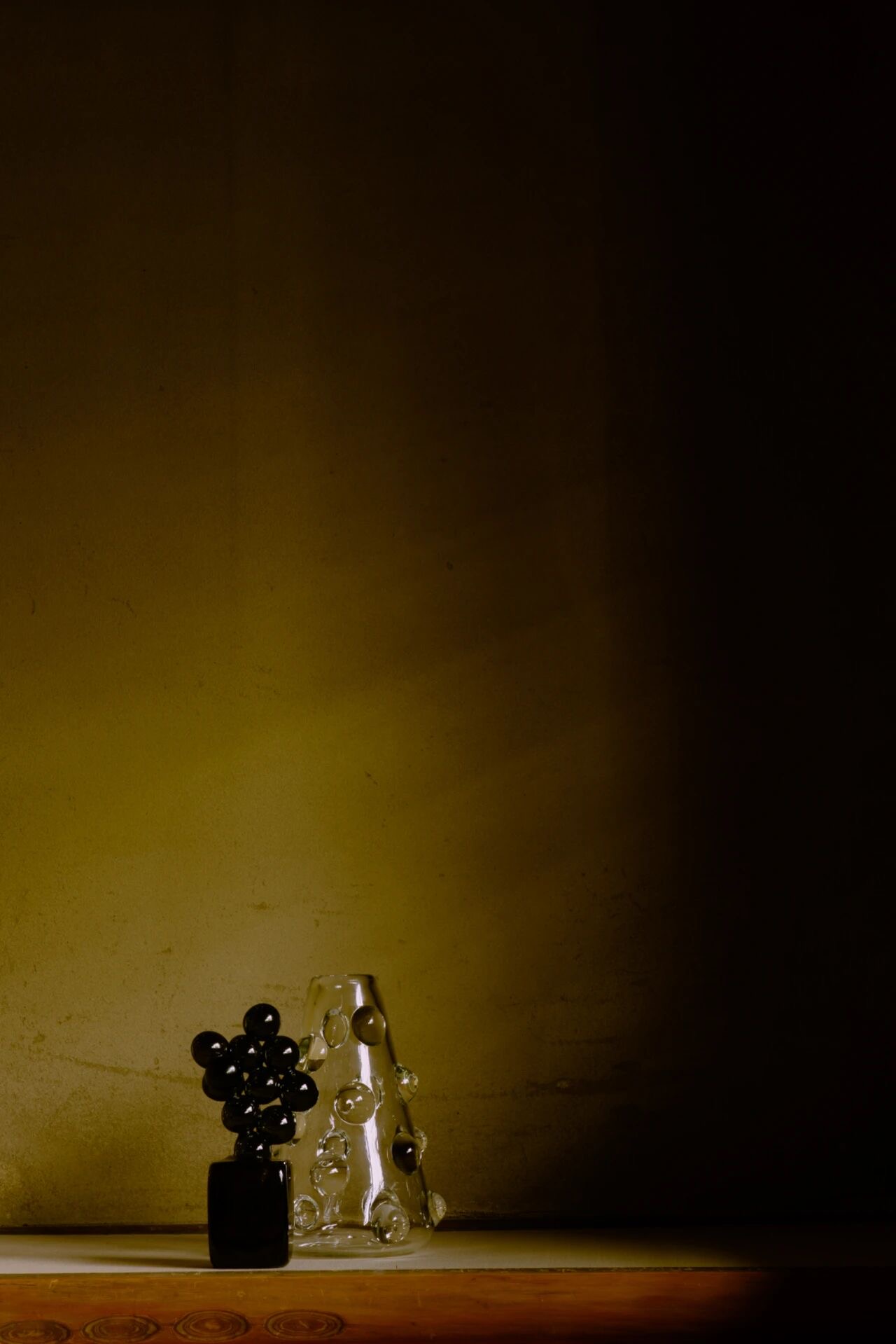
Artists and curators are toying with transparent worlds to achieve a kind of symbiosis. When light shines through the orb and the ambigram distortions of one artwork are reflected in another, it seems to reflect the peripheral development of creative ideas in the perceptual state of production.
Source: Our Culture – ourculturemag.com


