



If you purchase a product through a link in this article, a portion of the sales may be returned to us.
There’s a dinner move I’ve been perfecting lately. I put something tasty on the grill, pour myself a glass of rosé, and do nothing for the next 10 minutes as I prepare dinner. Cedar plank halibut is that dinner.
Lately, our family has definitely entered the grill era. Partly because the weather is nice and I spend every night outdoors, and partly because I’m obsessed with planning an outdoor kitchen for my beach house. We’re making something that will change the way we cook and enjoy food as a family, and every time I plan it, it makes me think about what kind of food I want to make there. It’s a dish that feels seasonal and special, but it doesn’t have to be tied to the stove. A meal that looks (and tastes!) impressive, but for the most part, it’s just the great ingredients that do the job. A great example of this is this grilled halibut, simply cooked on a cedar plank.
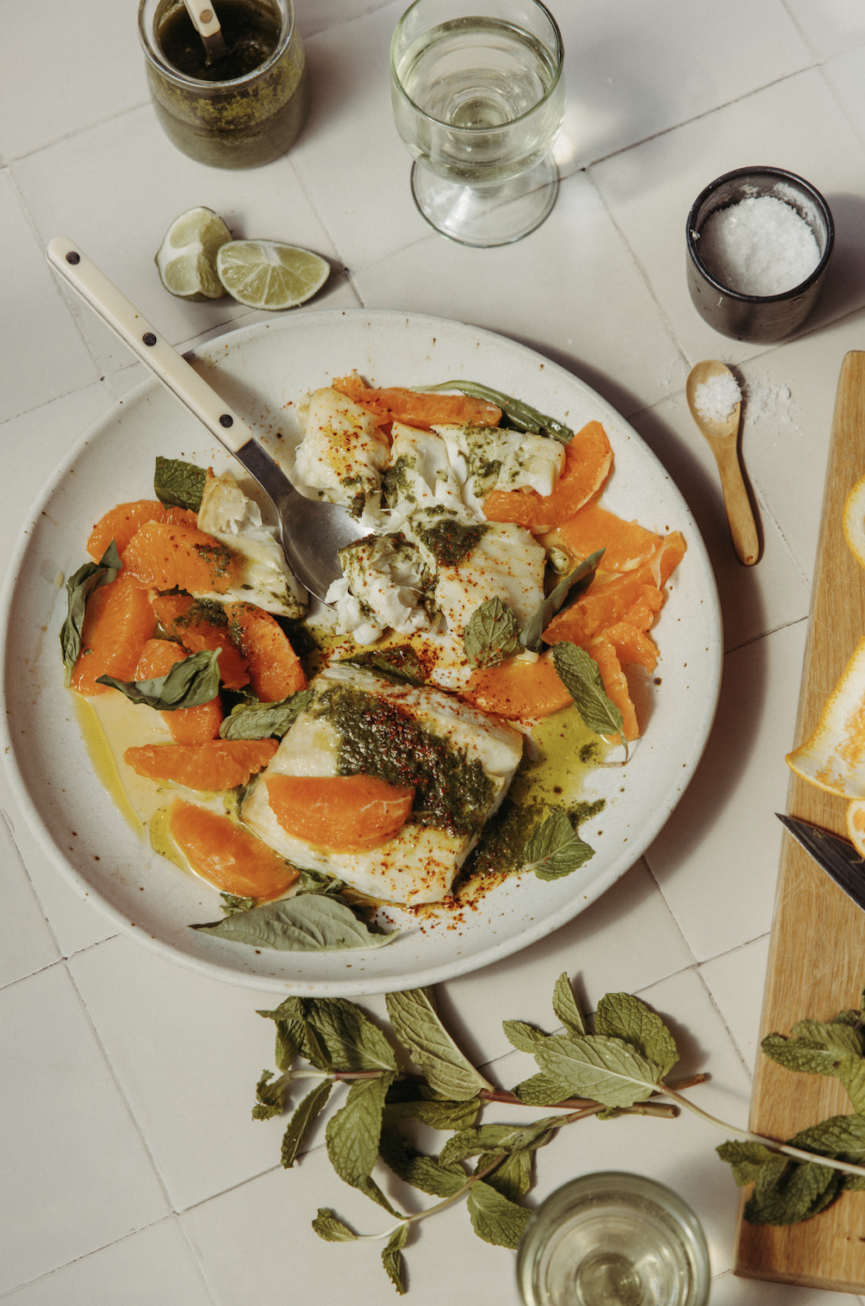
The deliciousness of grilled halibut on a cedar board
Here’s how to cook with cedar planks. It sounds more professional than it actually is. Soak the board, heat the grill, and cook the fish on the wood with the lid closed. What you get is a subtle smokiness that seeps in from underneath the fish. It’s not overwhelming, but it has a presence. Plus, the fish stays incredibly tender because the board acts as a buffer between the direct heat and the halibut. There is no tipping over and no risk of the fish falling out of the net. This is a technique that does a lot of the heavy lifting for you.
The salsa verde that brings it all together
This salsa verde is one of those things that I’ve started making in bulk and putting on everything. When your friends taste it, their eyes get big and they say, “What’s this magic?” Parsley, cilantro, mint, jalapenos, capers, lemon juice, and plenty of olive oil. Pulse everything together and what comes out is this punchy, herbal, slightly salty sauce that elevates everything it touches.
I’ve drizzled it over roasted vegetables, stirred it into a grain bowl, and spooned it over fried eggs. It’s especially good with this halibut, as you want something bright and assertive to balance the richness of the fish with the cedar smoke. This salsa verde does just that.
Why Cara Cara Orange works so well here
The cara cara orange finish tightens the whole thing. Lately, I’ve been loving Cara Cara (I’m also planning a citrus grove for my beach house, so I’m really interested in orange and lemon recipes). Sweeter and less sour than regular belly button, the flesh is a gorgeous blush pink, and when you tuck the cut around the fish just before eating, it adds enough sweetness to warrant a separate sauce. This is one of those combinations that sounds a little unexpected but makes perfect sense the moment you put it on your fork.

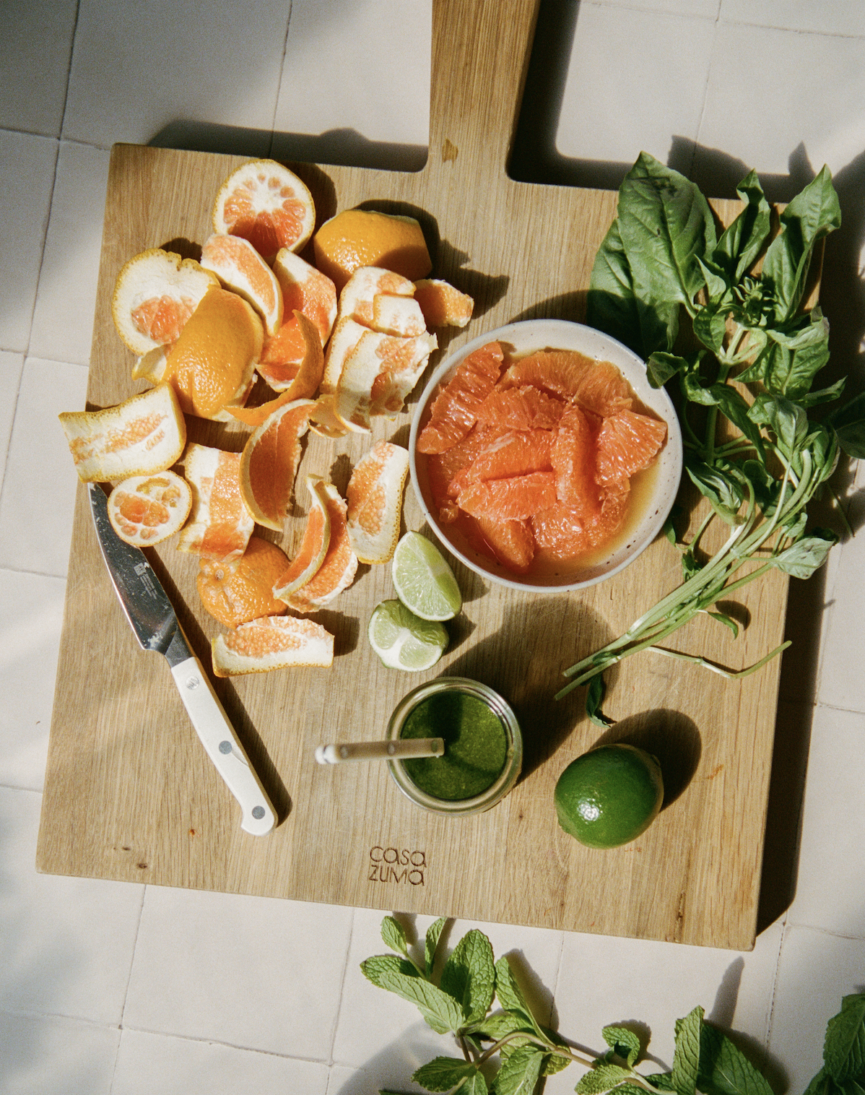
How to make grilled halibut (tips before you start)
The complete method is in the recipe card below, but there are a few things worth knowing before you get started.
- Thoroughly soak the cedar planks in water for at least an hour. It’s okay if it’s long, but not if it’s short. People skip this step and wonder why the board caught fire. (True. Plan ahead for this.)
- Let the fish come to room temperature for 15 to 20 minutes before putting it on the grill. Season generously. Halibut is mild, which is great, but it needs salt to liven it up.
- A platter of fish, salsa dripping on the side, folded orange pieces, torn herbs and flaky salt looks like something you’d order at a really nice restaurant. That’s the point. Complete with a simple green salad.
This is already on my list of first dinners to make in my outdoor kitchen and I have a feeling it will become a summer staple.
Some notes before creating
If you can’t find cara cara oranges, blood oranges are great here, and you can also use navel oranges. The color drama is lost a bit, but the flavor combination is still very good. Salsa verde can be stored in the refrigerator for several days and tastes better the longer it sits, so make a large amount. If grilling is not an option, you can also roast halibut in a 400°F oven. It holds up well to cooking either way, as the salsa does a lot of the work.
If you try this, I’d love to hear what you think!
explanation
This is one of those memorable meals that you can eat with almost no hands. Smoky cedar, bright herbal salsas, sweet citrus – it looks like restaurant food and tastes even better.
For halibut:
- 4 (5-6 oz) halibut fillet, skinless
- 1 tablespoon olive oil
- kosher salt and black pepper
For salsa verde:
- 1 cup packed parsley leaves
- 1/2 cup coriander leaves
- 1/4 cup fresh mint leaves
- 1 small jalapenos (with or without seeds, coarsely chopped)
- 1 small garlic clove
- 2 tablespoons capers
- juice of 1 lemon
- 1 cup extra virgin olive oil
- kosher salt and black pepper
If provided:
- 2 cara cara orange, divided into the best products
- flaky salt
- additional herbs (mint, coriander, or parsley), chopped
You will also need:
- 1 Cedar planks, soaked in water for at least 1 hour
- Soak the cedar planks in water for at least an hour. Preheat grill to medium heat.
- In a food processor or blender, combine the parsley, cilantro, mint, jalapeño, garlic, capers, and lemon juice. Pulse until finely chopped and drizzle with olive oil until loose and spoonable. Season with salt and pepper to taste. I like something bright, herbal, and with a little punch.
- Pat the halibut dry and let stand at room temperature for 15 to 20 minutes. Drizzle lightly with olive oil and season with salt and pepper.
- Place the soaked board directly on the grill grate and close the lid for 2 minutes until it begins to smoke. Arrange the halibut on a board, close the lid, and cook until the fish is opaque and flakes easily, 10 to 12 minutes, depending on thickness. No need to flip.
- Transfer halibut to a platter. Spoon a generous amount of salsa verde over the top, tuck the caramel orange pieces around the fish, and sprinkle with chopped herbs and flaky salt. Serve immediately.
- Preparation time: 15
- Cooking time: 12
keyword: grilled halibut
Source: Camille Styles – camillestyles.com


