



Photo: Carolina de Costaos
We’ve all stood in front of a wall of paint swatches and felt the weight of a decision. Choosing colors for your home is a unique crossroads where creative inspiration meets practical reality. The shades you choose are not just for decoration. They set the emotional tone of your sanctuary and determine how light dances on the furniture. With a little patience and a focused approach, you can overcome overwhelming situations and use color as a tool to cultivate a home that feels authentic, expressive, and completely in sync with the life you lead.
#1.Start with how to use the room
Every room has a purpose and the colors should support that function. Bedrooms often have softer tones that encourage rest, while kitchens and dining areas can handle more energy and warmth. The living room falls somewhere in between, striking a balance between relaxation and social connection.
Think about how much time you’ll spend in each space and what you want to feel while you’re there. Calmness, concentration, motivation, etc. all depend on the color. Thinking about your use first can help you narrow down your options before your emotions take over.
#2.Pay attention to natural and artificial light
Light changes everything. A color that looks perfect in a store can look completely different when it’s hung on a wall. A room with plenty of sunlight can accommodate cooler shade without feeling cold. In spaces with limited natural light, warm tones that add depth are often advantageous.
Artificial lighting also plays a role. Soft white bulbs emphasize warmer tones, while daylight bulbs emphasize cooler tones. Testing paint samples on different walls and observing them throughout the day will give you a clearer understanding of how color and light work together.
#3.Consider the flow from room to room
Interrelated colors create a sense of unity in your home. This doesn’t mean all rooms need to match. Instead, look for commonalities, such as a similar vibe or a consistent level of warmth.
Neutral spaces act as transitions between bolder rooms. Hallways and open floor plans especially benefit from continuity, making the home feel intentional rather than divided.

Photo: Lost Voyager
#4.Use color to shape your space
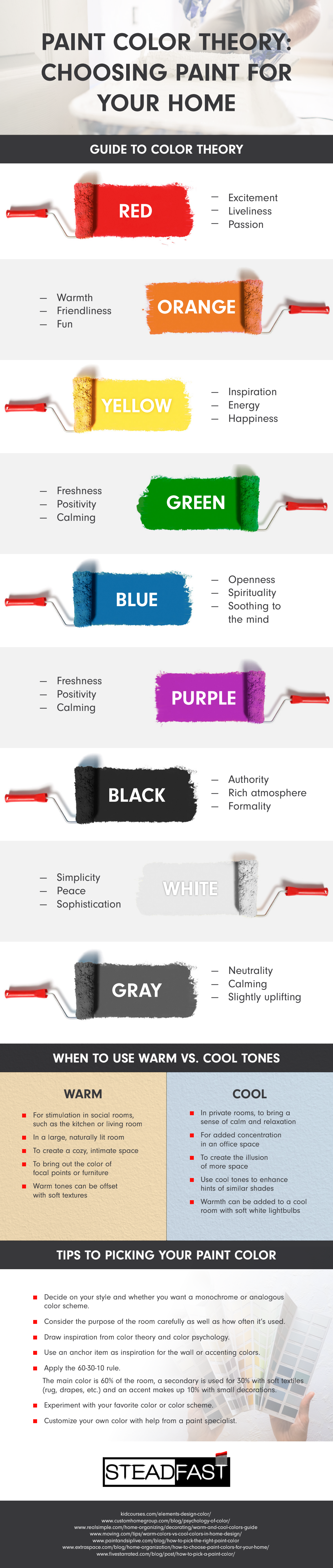
Paint can affect how spacious or small a room feels. Light colors tend to expand the space, while dark colors create intimacy. Vertical stripes and bright ceilings can make a room feel taller. When used carefully, accent walls draw attention and establish a focal point.
For those who don’t feel comfortable incorporating bold colors, smaller applications such as powder rooms or reading nooks can be a low-risk way to explore individuality.
#5.Trust personal style over trends
Trends change quickly, but personal preferences last a long time. It’s helpful to look at your current palette for inspiration, but the best choice is the one that feels right for you long-term. Your clothing preferences, your artwork, and even your favorite travel destinations can help guide your color choices.
#6.Work with experts if necessary
Let’s summarize…
Source: Lizbreygel: Beauty, Fashion, Lifestyle – www.lizbreygel.com



