



The Trump administration’s recent expansion of the Mexico City policy, long known as the “global gag rule” on abortion funding, is now broader than ever, blocking U.S. foreign aid tied to racial equity, gender equality, and LGBTQ+ inclusion. Experts warn that this change could have devastating consequences for public health, human rights, and America’s global credibility.
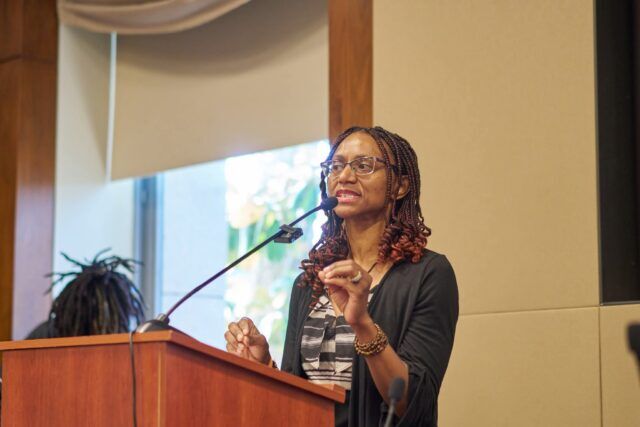
Desiree Cormier-Smith, former U.S. Special Representative for Racial Equity and Justice at the State Department and current co-founder of the Alliance for Diplomacy and Justice, said the move is unprecedented.
“Never before has U.S. foreign aid explicitly restricted programs that promote racial equality, gender equality, and LGBTQ+ inclusion.” Cormier-Smith said. “This is a major break from decades of policy that has recognized human rights and DEI initiatives as essential to effective diplomacy.”
Break the norm, break the trust
Citing U.S. foreign policy over the years, Cormier-Smith explained that successive administrations viewed DEI and human rights initiatives as tools to build trust with allies and strengthen democratic institutions.
“America’s credibility abroad depended on consistent support for universal human rights.” she said. “By suddenly pulling these levers, we demonstrate that American leadership on justice and equality is negotiable.”
This policy now affects international organizations, U.S.-based NGOs, and foreign governments and poses real challenges. Ground-based programs may lose critical funding and vulnerable populations may be left without services.
“DEI efforts cannot be treated as abstract principles.” Cormier-Smith said. “When funding stops, safe clinics close, trained staff retire, and entire communities lose access to vital services overnight.”
Preventing HIV and keeping LGBTQ+ safe
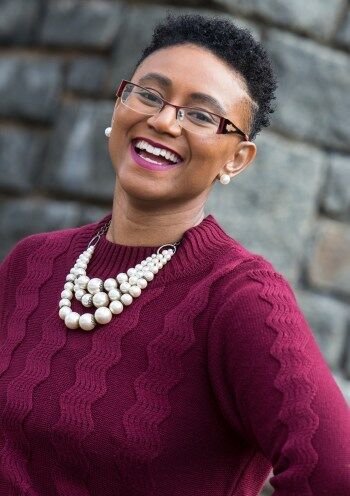
Victoria Kirby York, director of public policy and programs at the National Black Justice Collective (NBJC), explained how this policy directly threatens black LGBTQ+ and gay-loving communities overseas, particularly in Africa.
“HIV prevention and treatment are deeply tied to comprehensive financing.” York said. “If programs cannot explicitly serve LGBTQ+ people, safe spaces for testing, PrEP distribution, and community support will be lost.”
York emphasized the risks. U.S.-funded programs often provide modest HIV services, peer navigators, and gender-affirming care. Defunding could impede medication adherence, reduce trust in the health system, and increase HIV infections.
“In areas where same-sex relationships are criminalized, U.S.-backed programs are a lifeline.” she said. “Peer navigators helped young Black LGBTQ+ people safely access treatment, which otherwise would be difficult for people to access.”
The ramifications of silencing LGBTQ+ programs extend beyond health. Mr York said this emboldens state-sanctioned discrimination and violence.
“For the United States to exclude LGBTQ+ people from aid would give a green light to a government already hostile to our communities.” she said. “The result is literally that people die.”
The intersection of policy and history
Both experts point to historical patterns of global anti-Blackness and colonial-era laws that criminalize gender and sexual diversity. U.S. regulations now risk reinforcing these structures.
“Black LGBTQ+ people abroad are oppressed by both colonial law and conditional aid.” York said. “Inclusive funding is not charity. It’s survival.”
Cormier-Smith added that Americans often fail to understand how deeply global aid policy affects real life. “People abroad cannot protest the closure of clinics or the cancellation of HIV programs, only to experience the consequences.”
call to action
As the United States celebrates Black History Month and National Black AIDS Awareness Day, Cormier-Smith and York emphasize the need for Americans to recognize their collective responsibility.
“Comprehensive global health policies save lives, stabilize communities and prevent disease.” York said. “Beyond public health, it’s a matter of solidarity. LGBTQ+ Americans can have a voice, but for many overseas, that voice can save lives.”
Source: Gayety – gayety.com


