



Nearly a decade after tragedy rebuilt a community, Orlando’s Pulse Nightclub location is entering a new chapter.
The building where 49 people were killed in the 2016 mass shooting was demolished on March 17, paving the way for the construction of a long-awaited permanent memorial.
A place of sadness, now a step towards healing
Demolition crews began work early Wednesday morning, tearing down the building that was both a memorial and a source of ongoing pain. The nightclub remained untouched for years as debate unfolded over how best to honor the lives lost.
As the building collapsed, city officials, survivors and family members gathered nearby, a moment many described as difficult but necessary.
Orlando Mayor Buddy Dyer acknowledged the gravity of the day in remarks to local media, noting that while there is no physical space to bring about a complete shutdown, the next steps could provide a forum for reflection.
Reminds me of pulse shooting
The June 12, 2016 Pulse attack remains one of the deadliest mass shootings in U.S. history. A gunman, later identified as Omar Mateen, opened fire inside the crowded venue on a Latin-themed night, killing 49 people and injuring dozens.
The hours-long siege ended when law enforcement officers stormed the building and killed the assailants. Investigators later announced that he had pledged allegiance to ISIS during the attack. Many of the victims were Latino, adding further grief to a community already experiencing identity, culture, and loss.
Since then, Pulse has served as a symbol of both vulnerability and resilience within the LGBTQ+ community.
Years of debate about what happens next
What should happen to this site is a question with no easy answer.
The nonprofit OnePulse Foundation was initially tasked with developing the monument and museum. Plans stalled as funding challenges increased, eventually leading to the organization’s dissolution.
The city of Orlando then stepped in, purchased the land, and took over responsibility for the memorial. Officials formed an advisory group that included survivors and victims’ families to help develop the vision.
One of the most sensitive points of discussion centered on whether the nightclub itself should remain as part of the monument. Some considered the building a sacred site, while others believed it needed to be removed to move forward.
Ultimately, the decision was made to clear the premises.
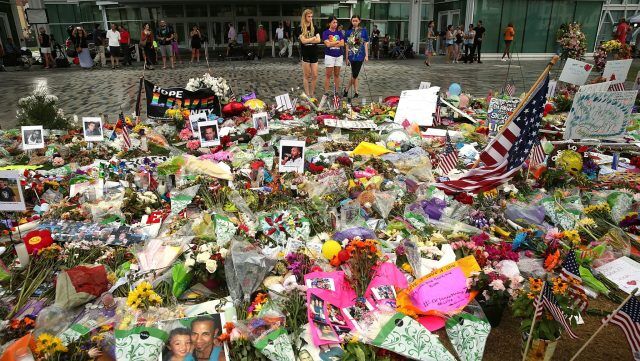
What will the monument look like?
Now that the demolition is complete, all eyes are on what will be built in its place.
The design plan outlines a space intended for quiet contemplation. At the center will be a pool featuring subtle rainbow ripples, paying homage to both LGBTQ+ pride and memorable lives. Described as an “angel’s solar eclipse,” the curved canopy structure provides shade while honoring each victim.
The names of the victims are inscribed on the water wall along with the words “To all those who just wanted to dance” in English and Spanish.
Construction will begin in September and the monument is scheduled to open in 2027.
A memorable community
For many, deconstruction is not about erasing the past, but rather about reconstructing how it is held.
Pulse’s tragedy continues to reverberate across the country, especially in queer spaces where safety and joy often exist side by side. The new memorial aims to create a place where both mourning and celebration of life can coexist, a space rooted in mourning but open to the future.
As Orlando moves forward, it is hoped that the building that will replace it will provide something the building no longer could: a shared place to gather, reflect and celebrate the lives of the 49 people who forever changed the community.
Source: Gayety – gayety.com


