



Matu Buiatti’s photographs have a quietly soothing quality that immediately drew me in. What struck me was how grounded everything felt. The men in these images are not acting. They exist fully and authentically in a way that feels increasingly rare.
La Isla, Buiatti’s feature-length photography project turned book, is not tied to a literal location. It’s more personal. As I progressed through the piece, I felt drawn into a series of private moments shaped by trust rather than instruction. That distinction is important.
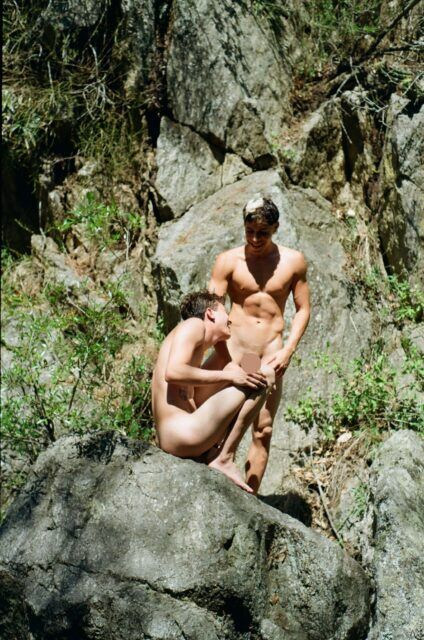
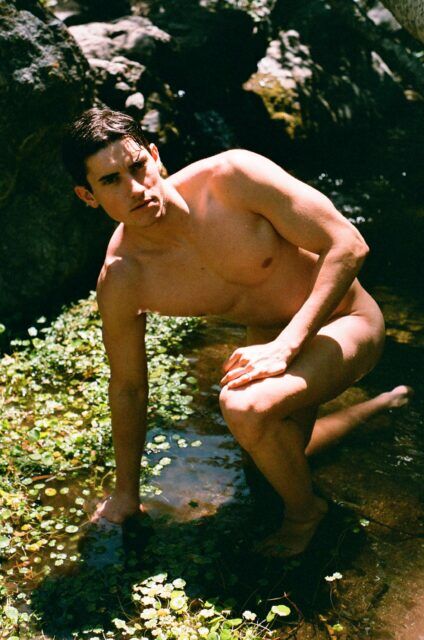
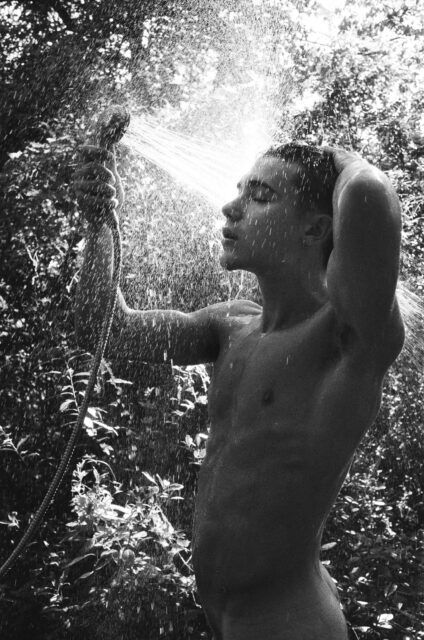
Not only portraits but also conversations
What struck me most was how much had happened before cameras came out. Buiatti’s process is centered around conversation, and this can be felt in the images. These are not quick shootings or transactional encounters. They are built over time, and sometimes complete strangers become closer to collaborators through repeated meetings.
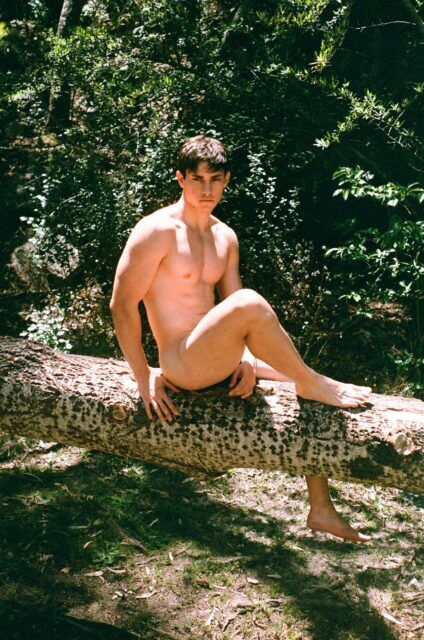
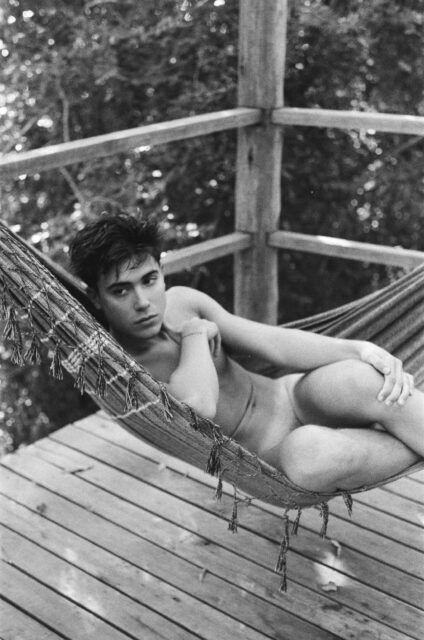
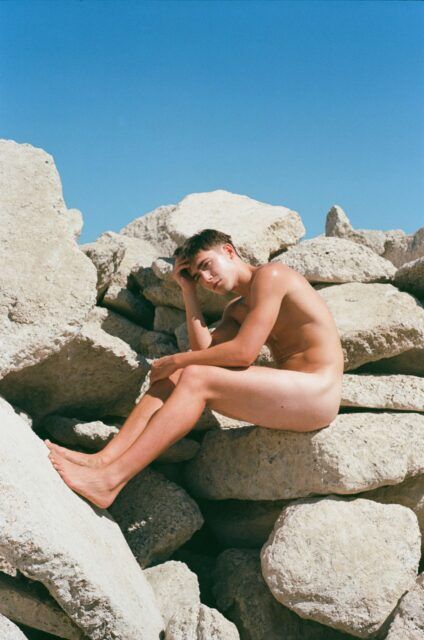
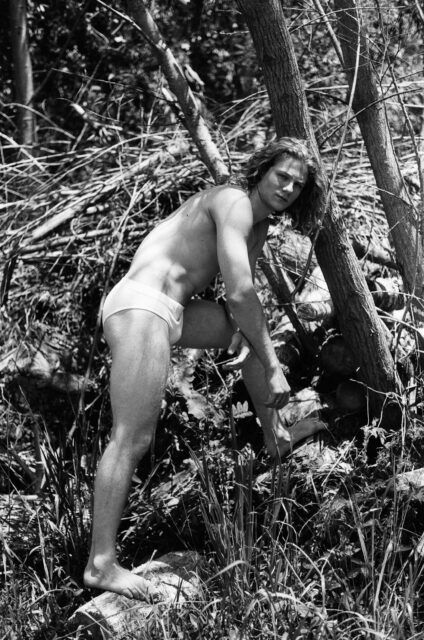
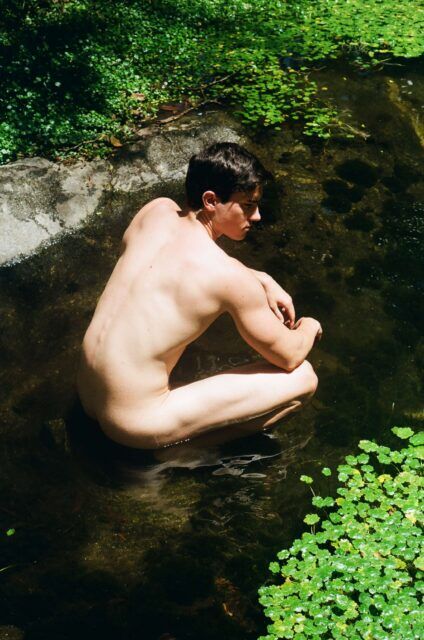
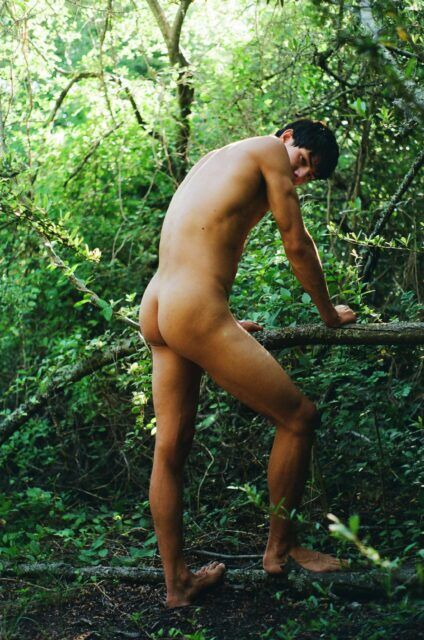
That energy is transferred to the camera. Whether you’re stretched out on a rock or leaning against the soft grass, there’s a sense of peace in the way you hold your body. It doesn’t read exactly like the pose. It reads familiar.
I’ve been thinking about how rare it is to see photographs that prioritize connection over output. Buiatti isn’t chasing a “perfect” image. He records what happens between people, and photographs become a byproduct of that interaction.
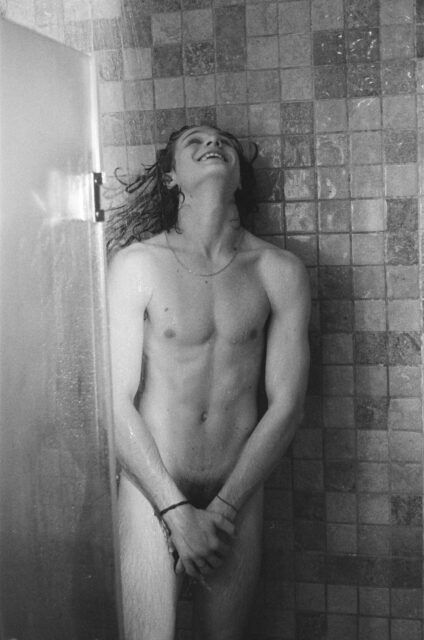

Argentina as a living background
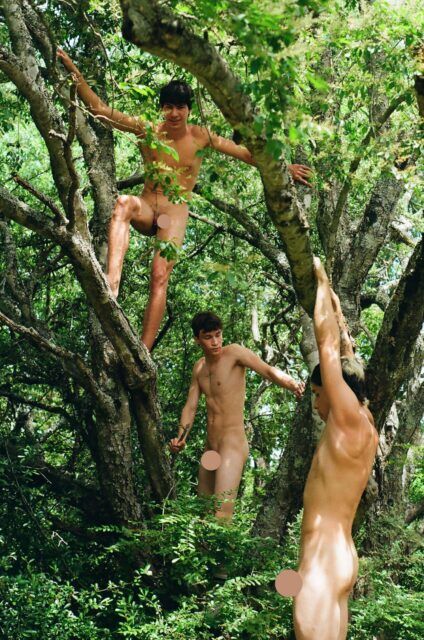
The landscape is quiet but plays an important role. Shot across Argentina, the settings feel expansive without overwhelming the subjects. There is a natural rhythm between your body and the environment, and climbing, resting, and walking can increase your sense of freedom.
Some of the images feel primitive, but they don’t lean toward spectacle. Instead, it has a softness to it. Greenery, stones, light, everything supports the subject rather than calling attention to it. It creates a kind of visual calm and allows you to stare at each image a little longer.
Rethinking nudity
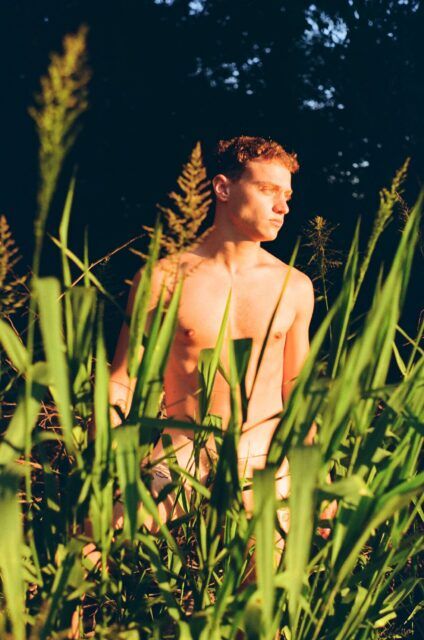
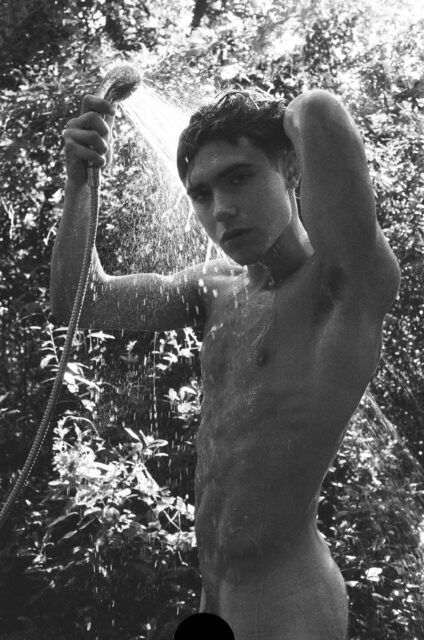
It’s impossible to talk about “La Isla” without mentioning nudity, but Buiatti reframes it in a way that feels intentional. This work makes a clear distinction that nudity and intimacy are not the same.
That thought stayed with me.
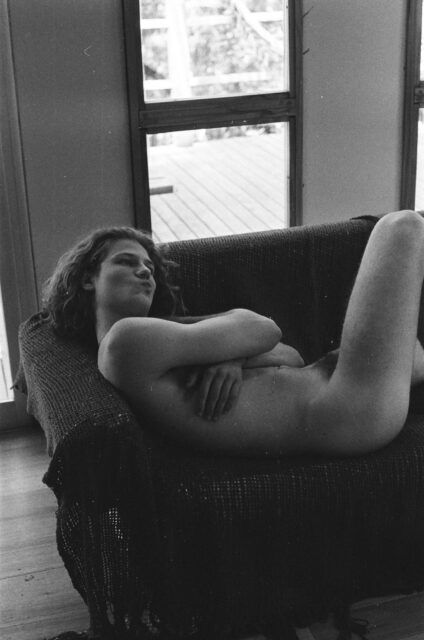
In these images, nudity feels closer to honesty than exposure. There is no sense of performance or provocation. Instead, it becomes a visual language of trust. The comfort you feel is not in being undressed, but in being understood.
This change will change the way you approach your work. you are not looking in Subject; you are meeting them where they are.
Advantages of analog
Buiatti’s decision to shoot on analog film added a new layer to the project. Patience is built into this process, and there are no instant reviews or endless rework. This restriction forces a different kind of presence for both photographer and subject.
The image also shows how slow it is. Nothing feels rushed or overworked. Small imperfections, such as grain, changes in light, or subtle inconsistencies in events, add texture to the work. It’s a reminder that you don’t have to polish everything to feel perfect.
why it stays with you
It’s not just a single photo that leaves a lasting impression on “La Isla.” It’s an accumulation of moments. The feeling of witnessing something built over time, shaped by real interactions rather than a carefully selected concept.
For me, it became less about the visuals and more about the intention behind it. Buiatti uses photography as a way to understand people and, in turn, himself. That curiosity runs through the entire project.
Ultimately, “La Isla” feels less like a collection and more like a record of a shared experience. It’s a reminder that when people show up unguarded, honesty can take shape, and sometimes that honesty makes an image worth holding on to.
To see the full gallery and explore more stories like this, visit Gayety’s Substack Are you covered?
Source: Gayety – gayety.com


