



Spencer Hedges is well known to his millions of followers. drawn by spenceris redefining what it means to be a beauty creator in the digital age. An independent Cuban-American makeup artist and proud member of the LGBTQ community, Spencer has built a global platform rooted in self-expression, confidence, and visibility. What began as a leap of faith from Florida to Los Angeles at just 16 years old has now grown into one that reaches millions of people through social media, where his cinematic transformation has become instantly recognizable.
With over 2.7 million followers across Instagram and TikTok and over 86 million views on YouTube, Spencer’s work goes far beyond traditional makeup tutorials. His signature before-and-after reveals celebrate individuality and deeply resonate with LGBTQ viewers and allies alike. That connection has translated into sold-out masterclasses around the world, from Paris and London to Dubai and Australia, with fans lining up not just to learn technique, but to witness authentic artistry.
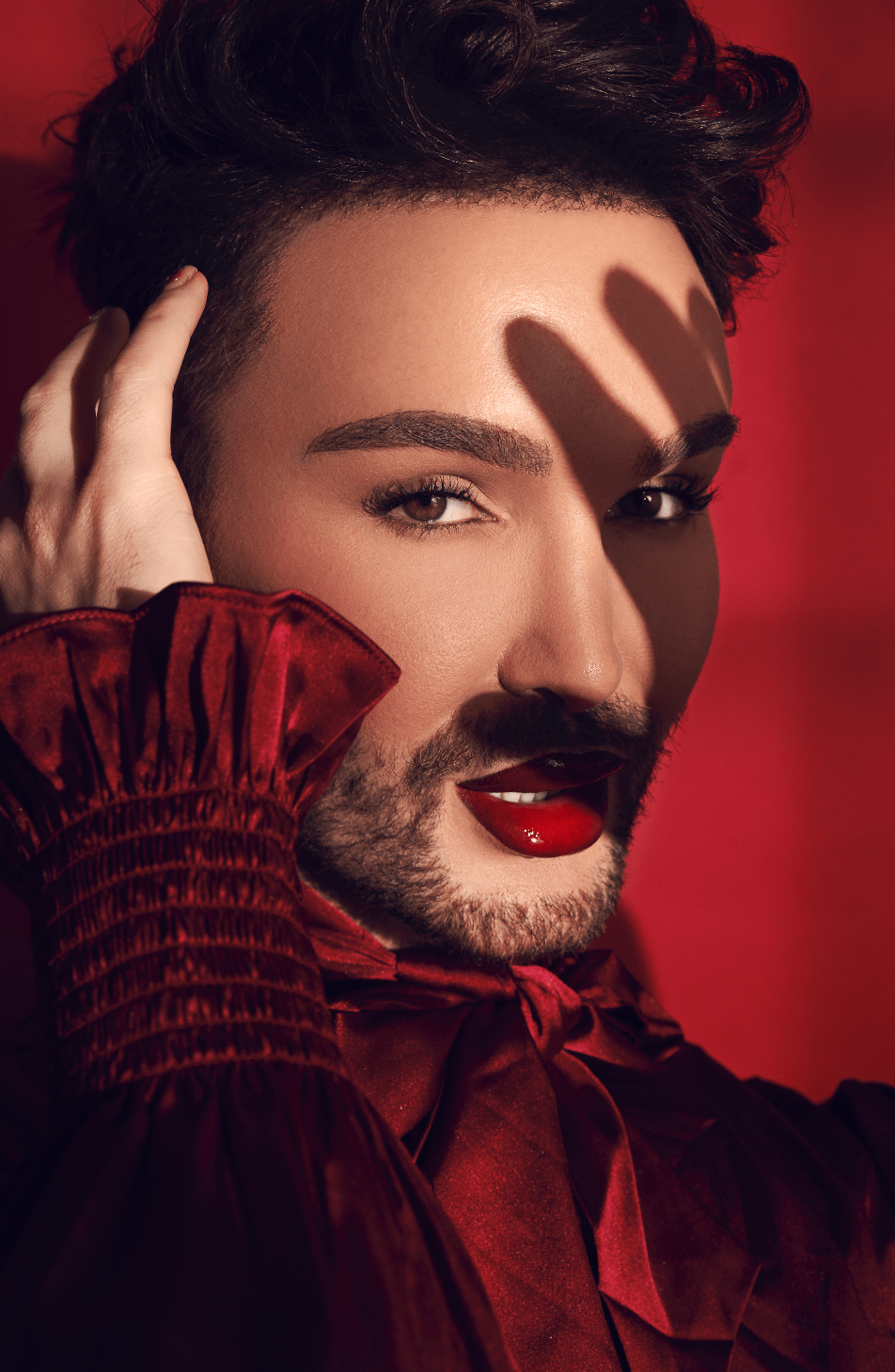
Now, Spencer is entering a new chapter, establishing himself as a creative visionary and emerging business leader. From a successful pop-up in Los Angeles with Korean vegan skincare brand D’Alba to expanding their influence beyond social platforms.
Q: Moving to LA at 16 wasn’t an easy decision. How did that early leap of faith shape your evolution as an artist and entrepreneur?
Spencer: Moving to LA at 16 forced me to grow up quickly. Every choice felt real because I had no safety net. I was working, having clients, figuring out how to pay my bills, and all the while trying to learn who I was as a person. It taught me that no one will come to save you. If you want something, you have to be uncomfortable, and sometimes you have to hear “no” ten times before you get a “yes.” As an artist, it has made me fearless. Being an entrepreneur has taught me to think long-term. I learned how to turn “being good at makeup” into a real business and brand.
Q: The changes you made before and after your transformation have become iconic. What do these changes mean to you beyond artistry?
Spencer: For me, change isn’t really about “fixing” someone. It’s about uncovering something they already have but have probably stopped looking at. The before and after is just a visual way to show that something is valuable in the before and powerful in the after. Makeup becomes a way to say, “You are allowed to take up space and be seen.” That’s much more important to me than sharp liner or a ripped jawline.
question: Many LGBTQ viewers say your videos make them feel seen. When did you first realize that your work was influencing queer self-expression?
Spencer: I think I realized that when I started getting long DMs from people in small towns. They said things like, “Watching your videos makes me feel like there’s a world out there where it’s not weird for me to love makeup.” The moment I realized it was more important than makeup was when people started telling me that they finally had the courage to buy their first concealer, that they had the courage to walk into Sephora without apologizing for going to Sephora. At that point, it wasn’t just satisfaction, it started to feel like a responsibility and a sense of community.
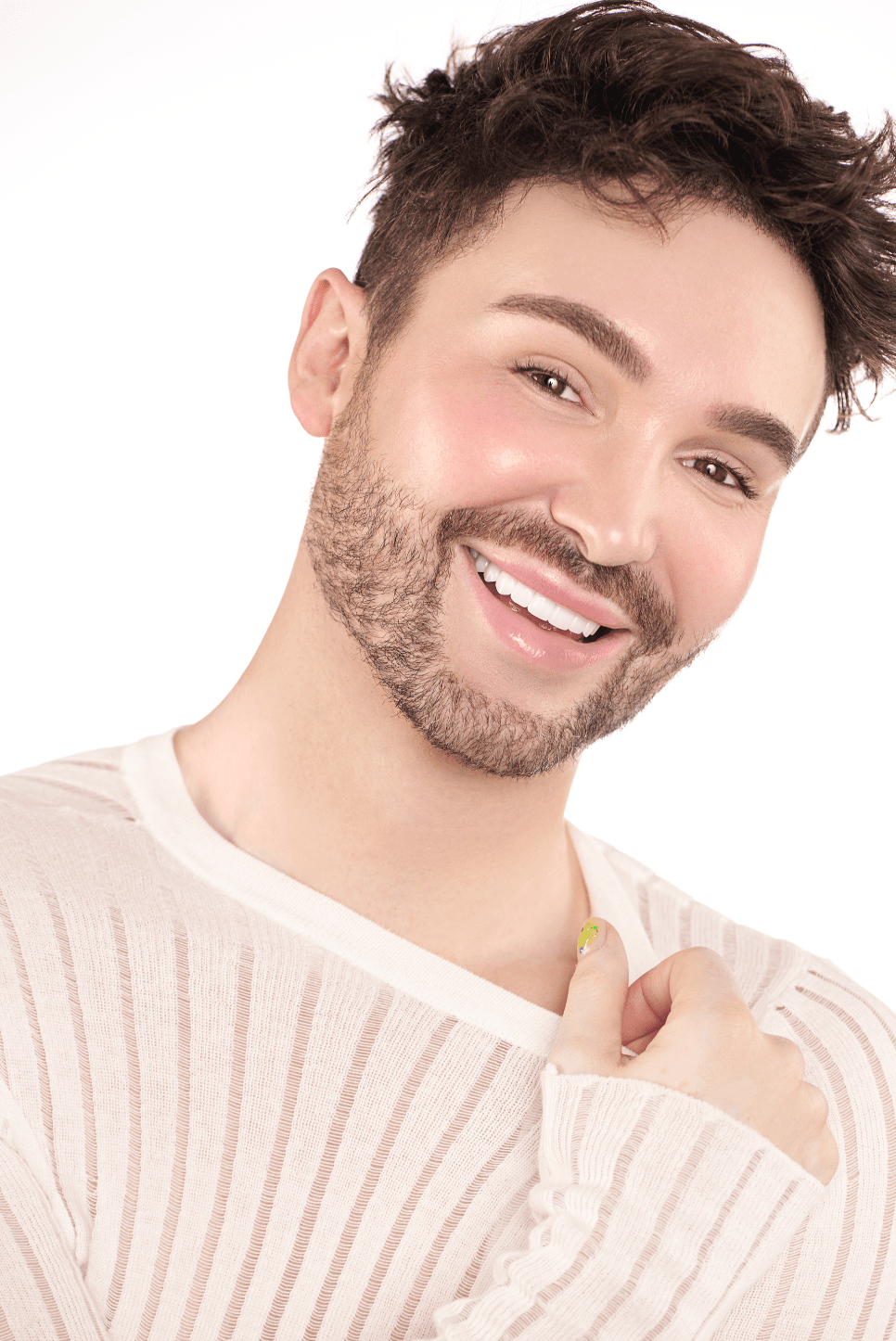
question: It gained a huge audience across Instagram, TikTok, and YouTube. What do people still misunderstand about work that pursues this level of digital artistry?
Spencer: If you saw the 60 second video, you might think I shot and posted it in an hour. In reality, pre-production, product testing, lighting setup, take reshoots, audio dubbing, editing, captions, thumbnails, brand approvals, and more are all interactions that no one ever sees. On top of that, my team and I run a business in the background. Contract negotiations, business trips, email responses, payroll calculations, deadline management. It’s creative, but also very technical and mentally demanding. This is a full-time career, and to be honest, sometimes it feels like a few hours, but I’m grateful to be able to show my daughter Celine that it’s possible to build a life around a job you truly love.
question: Cuban-American identity influences who you are. How has your heritage influenced your approach to beauty and visibility?
Spencer: Growing up as a Cuban-American, beauty was loud and unapologetic. My family taught me that presentation is important and to always put your best face forward, even when no one is looking. I think that stayed with me. That energy is definitely alive in my approach to the gram.
question: Masterclasses in Dubai, Paris and Australia have sold out worldwide. What have you learned about the universality of beauty and identity from traveling and teaching around the world?
Spencer: Traveling to teach has been one of the most humbling experiences of my career. I quickly realized that although beauty standards differ from country to country, the emotions people are striving for are the same. Everyone wants to feel confident, desired and beautiful. In Dubai, we witnessed a love for complete glamour. Paris exudes an effortlessly chic energy. In Australia, people were leaning towards fresh skin and practicality. The aesthetics are different, but the emotional underpinnings are the same. Regardless of the language, there is always a moment when your posture changes when you look in the mirror after applying your makeup. That expression is universal.
question: You’ve evolved from a makeup artist to what your team calls a “global brand architect.” How is that evolution happening behind the scenes?
Spencer: At some point I realized that this was no longer just about doing great blends on camera. Becoming a brand architect meant building an entire world that people could step into, whether it was finding me on TikTok, attending a masterclass, or ultimately picking up something I created. Behind the scenes, I’m trying to create something that lives even when I’m not in the room, and one little person in my life who is the perfect mix of sweetness and chaos definitely slips into that vision. Maybe next year people will notice it a little more.
Q: You recently partnered with Korean vegan skincare brand D’Alba for a pop-up in Los Angeles. What drew you to this collaboration and how does skincare fit into your larger creative vision?
Spencer: If your skin doesn’t match, your makeup won’t match either, so I’m very particular about skincare partnerships. So teaming up with Dalva made sense to me, especially when it comes to the glassy, shimmery textures that I love. Their First Spray Serum has been in my makeup kit for years. The LA pop-up was great because it allowed me to connect with the community in real life, not just on screen. It was truly one of the highlights of 2025 for me.
Q: The beauty industry has changed dramatically over the past few years, especially when it comes to gender and inclusivity. Where do you think the industry will go next?
Spencer: I think we’re moving towards a world where products are no longer about, “This is for women, this is for men,” but rather, “This is for dry skin, this is for texture, and this is for people who want to feel good.” Younger generations don’t care about old rules in the same way. We are also seeing a shift towards storytelling and niche identities. People are drawn to brands that feel like a fully constructed world, rather than just a trend in a bottle. They want transparency, ethics, and uniqueness. Inclusivity is more than just adding a few more shades to your range. It’s about who is in the room making decisions and who feels invited to the conversation.
Q: Many young queer people dream of moving to Los Angeles to pursue their creativity. What advice would you give your 16-year-old self stepping off a plane for the first time?
Spencer: I would like to tell my 16-year-old self, “Breathe.” You don’t have to prove everything in the first year. LA is a magical place, but it can also be a very isolating place for someone who is young and trying to find themselves. Find at least one or two people who really see you and hold them tight. Learn how to not only say yes to opportunities, but also say no if something doesn’t feel right, even if it looks appealing. Take care of your mental health. Don’t confuse followers with friends or virality with value. And remember that the parts of you that feel “too much” now are probably what will make you stand out later.
Source: Gayety – gayety.com


