



Guest writer Victoria Pusada
Growing up, I never saw anyone who looked like me on fashion magazines or runway pages. I’m a strange, nervous, petite plus, Hispanic model. Historically, the fashion world has been alienated, ignored or tokenized, as only that sentence holds so many identities. My fashion journey was not traditional. It was emotional, political, and deeply personal. But more than anything, it showed the changeable power of what I see and how important an intersectional expression is.
I am a young girl, I want and remember looking for someone with the shows I saw, the commercials I came, and the signs I saw, the body, culture, or essence that reflects my person. It was a fruitless search. The ideal model was always tall, thin, traditional women. Other than that, it didn’t look like a niche or worse. It planted me a seed of self-doubt and confusion, as if I had to distort myself into someone else’s vision of beauty because I was worth it. But deep down, I knew it wasn’t true. And I refused to erase my life.
When I first started modelingI entered the room where I was the only plus size person and the only person of average height. I was able to feel the uncomfortable feeling of the room when I confidently introduced myself and refused to apologise for taking up space. Or lack of approval. I wasn’t just asking for inclusion. I wanted to cherish who I was.
There was a moment of victory. Walking as a petite plus model during London Fashion Week was a dream I couldn’t imagine. Seeing myself in a publication that once felt like a gated community reminded me that change is possible, even if it was slow and incomplete. And when other queer, NeuroDivergent, or Petite-Plus people message me to say, “I’ve never seen anyone like me do this,” I remember why I keep going. Cross-expressions are not about vanity, they are about verification, empowerment, and truth.
But it wasn’t all runway lights and editorials. Navigating the industry has a constant emotional toll to being still firmly firmly on the rigid standards of beauty. I am told that in the same breath, “too much” and “not enough.” It’s too bent. It’s too short. Too frank. Too frank. The message was always: you will be less yourself and maybe you will fit.
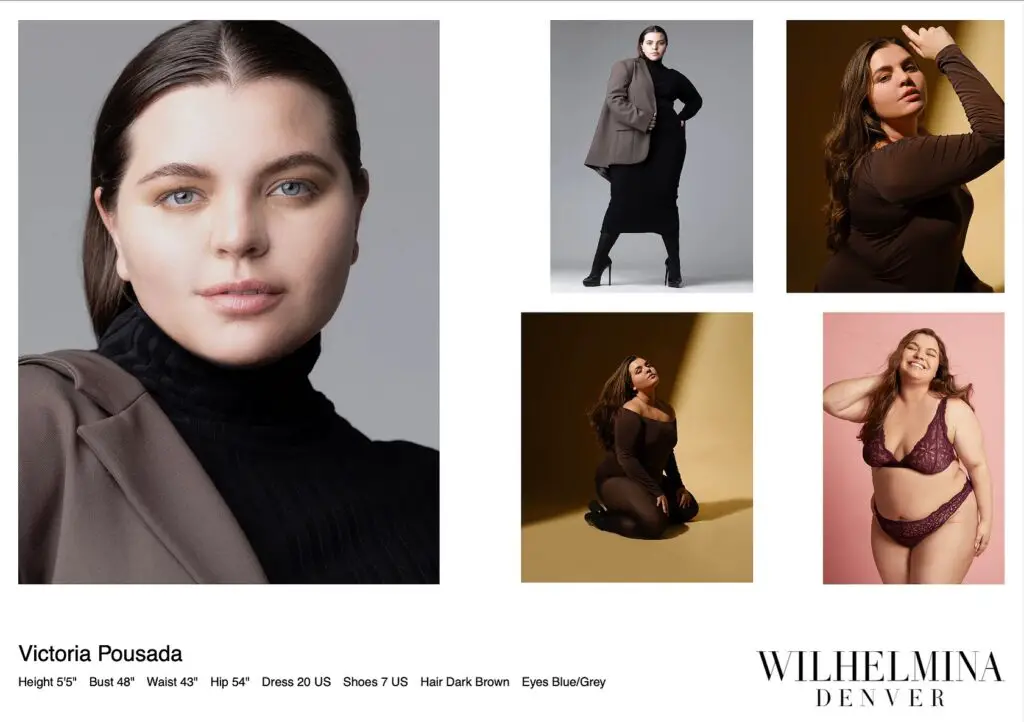
But intersectionality taught me that my power is in myself, and not more. Every layer of my identity brings the perspective that the industry desperately needs. My oddity helps me understand the gender fluidity of fashion. My nervousness brings creativity, empathy and detail to my work. My diverse background connects me to a cultural heritage rich in colour, rhythm and resilience. My petite body tells the truth about the spectrum of beauty that exists beyond the size chart.
There’s more to cross-expression than you think
The cross-expression of fashion is not just about checking boxes and diversity optics. It’s about shifting the story. In that case, people like me, and people not like me, are no exception. We are part of the standard. It’s about creating a space where the model doesn’t have to choose which parts of your identity and which parts to hide for highlighting. Fashion is to acknowledge that at its core, fashion reflects who we are and who we dream of.
And the inclusiveness of the body is a more intersecting subject than people perceive, as the standards of beauty of thinness are directly related to European beauty standards. Thinning is beautiful, thinning is white. These harmful concepts have been wreaking havoc for too long. Ironically, European beauty standards are hurting European people with short, plus-sized bodies. Therefore, this outdated concept does not even fully aid its creator and former benefactor. It reinforces that exclusive ethnic holistic practices do not benefit anyone.
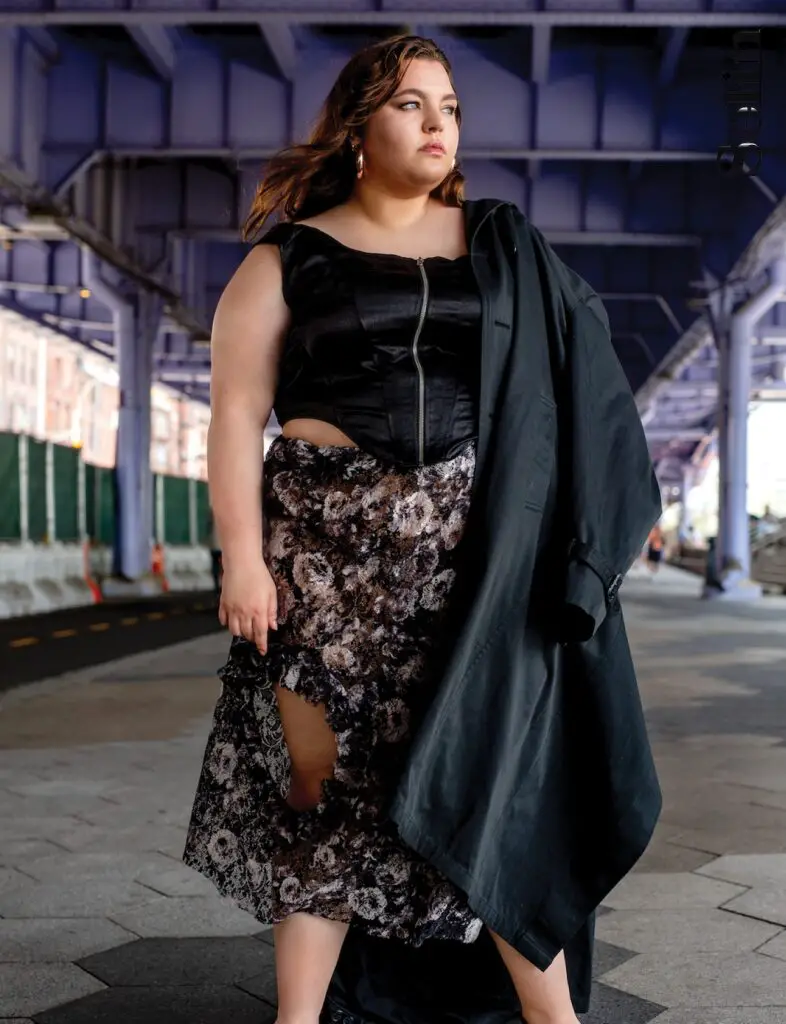
I dream of the fashion industry where the runway looks like a real sidewalk. Being queer doesn’t mean being typecast. Being Hispanic means that you don’t need accents or stereotypes. NeuroDivergence is not treated like a flaw and is recognized as a unique way to see and interact with the world. Being a petite plus doesn’t mean being extraordinary, it’s simply another dimension of beauty.
It’s not to be famous to be seen. It’s to be understood. It’s about standing in a set or fitting room and knowing that you don’t have to describe yourself, shrink or split it into two. It’s about respecting your entire story.
My body, my voice, my mind, and they all learned that they deserve space in this industry. Not only because I fight for it, but because they value themselves. And if it shows up in full and helps someone else feel they’re seen, then all the challenges are worth it.
There’s still a long way to go in the fashion industry. However, intersecting expressions are not trending. it’s necessary. The moment they see someone reflecting themselves, they begin to believe in their power.
And that belief? That’s where true beauty begins.
Have you learned anything new about cross-expression? Please let us know in the comments.
Source: The Curvy Fashionista – thecurvyfashionista.com


