



Market growth shows strong financial performance
The numbers don’t lie when it comes to the momentum of the plus-size fashion industry in 2025. According to various research companies, the plus-size clothing market was estimated between US$114.1 billion and US$579.8 billion in 2023, with various methodologies and region explaining the fluctuations. The market is projected to grow at 4.1% to 5.3% CAGRS until the early 2030s, reflecting an industry that is not only surviving but truly thriving.
Several research companies report different market sizes across different methodologies, pointing to consistent growth that outperforms all traditional fashion segments.
North America rules the world’s landscape

North America dominated the plus-size clothing market in 2023 with a revenue share of about 44%, while the US plus-size clothing market accounted for 82% of revenue share in North America in 2023. This domination is no coincidence. It reflects the cultural shift in which American consumers are actively demanding more inclusive fashion options.
Research data shows that the North American plus-size clothing market generated significant revenue in 2023 due to growth in the e-commerce industry, increased industry sustainability, comfort fashion trends and increased demand for personalization. The success of the region is attributed to early adoption of body positive exercise and willingness to invest in diverse sizing.
The Asia Pacific region is born as the fastest growing region

The Asia-Pacific region’s plus-size clothing market is projected to grow at the fastest CAGR of 5.2% from 2024 to 2030, with the Asia-Pacific market increasing due to increased consumer awareness and demand for inclusive fashion. This rapid expansion represents a massive, undeveloped opportunity as traditional beauty standards evolve across Asian cultures.
North America dominated by a share of around 44% in 2024, but the Asia-Pacific region is projected to grow at its fastest speed until 2030, in order to change the spending of middle class and beauty ideals. Countries like China and India have witnessed dramatic changes in consumer attitudes towards physical diversity and inclusive fashion.
E-commerce drives unprecedented growth

The expansion of online shopping platforms has made a significant contribution to the plus-size clothing market as e-commerce offers a wide range of reach and easy access to a variety of plus-size clothing options that may not be available in physical stores. Online retail has essentially revolutionized how plus-sized consumers shop.
In the US, e-commerce generated $1.7 trillion in sales between 2020 and 2022, with online sales increasing by 55%, with Canada being the second largest contributor in the market, with headquartered in the US, including Amazon, Walmart, Nike, Macy’s and Target. This digital conversion removed the barriers that traditionally prevented plus-sized shoppers from accessing stylish options.
Casual wear leads the product category
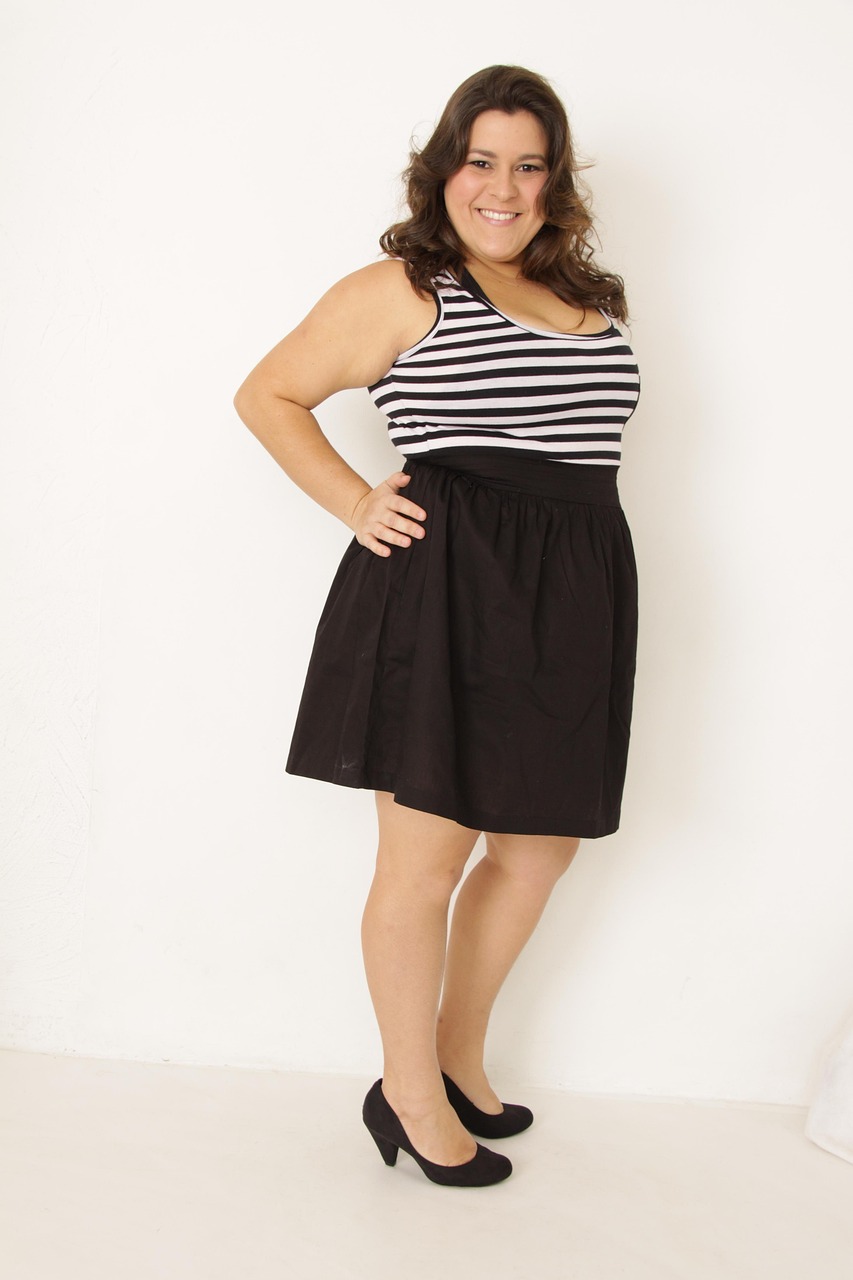
Casual wear leads were around 31-38% of the plus-size clothing market share in 2024. Sportswear and activewear are projected to advance with strong growth rates through 2030. The advantage of casual wear reflects the changing work environment and post-pandemic lifestyle preferences.
In 2023, the casual segment exceeded US$38 billion and after analyzing over 6 billion fashion searches, it was found that searches for comfortable outfits like loafers and oversized clothing are on the rise while searches for more formal clothing from the US to India are declining. This trend towards comfortable fashion is perfectly in line with the core values of the plus size market.
Large retailers expand their size range

Retail giants such as Target, Nordstrom and Walmart are expanding their plus-size product lines and evaluating the group’s shopping power. These mainstream retailers recognize that plus-size consumers represent a lucrative market segment that can no longer be ignored.
Lane Bryant opened a new flagship store in New York City, featuring expanded collections and in-store experiences tailored to plus-size customers, but Target unveiled an expanded range of plus-size clothing as part of its Spring 2025 collection, increasing the number of styles and sizes available in stores. The physical retail space has also evolved, making it suitable for this demographic.
Body-positive movements face headwinds

With the increase in Oosn Pick’s use and the subsequent shrinking of celebrities and influencers, the positive movement of the body lost steam in mainstream cultures as the pendulum returned to its thinness appeal. Despite market growth, cultural attitudes are experiencing turbulence.
But in a way, 2024 felt like a step back as fashion body diversity was stuck and the rise of the Ozempic led to concerns about a return to extreme thinness. The fashion industry’s runway representation is not in line with the commercial success of plus-size retail.
Technology integration changes the shopping experience

While adding computerized fittings and AI-sized suggestions will improve convenience by reducing fitting and return issues, personalization is a major opportunity for businesses shifting towards a made-to-business with the aim of addressing the diversity profile of the body. Innovation tackles the right challenges of many years that have plagued the plus-size market.
82% of consumers want AI to reduce the time they spend researching their products, and 50% of fashion executives believe generative AI is essential for product discovery in 2025.
Sustainability becomes a market priority

Consumers are increasingly aware of the environmental impact of purchased clothing, and are making sustainable fashion an increasingly important trend with recycled materials such as recycled polyester and nylon, as well as reducing waste and pollution. Plus-sized consumers, like straight-sized counterparts, require environmentally responsible options.
Torrid launches a sustainable plus-size collection featuring clothing made from recycled, eco-friendly materials to cater to environmentally friendly consumers. Brands respond to sustainability by incorporating it into their plus-size products, and see this as a competitive advantage.
Market challenges and future outlook
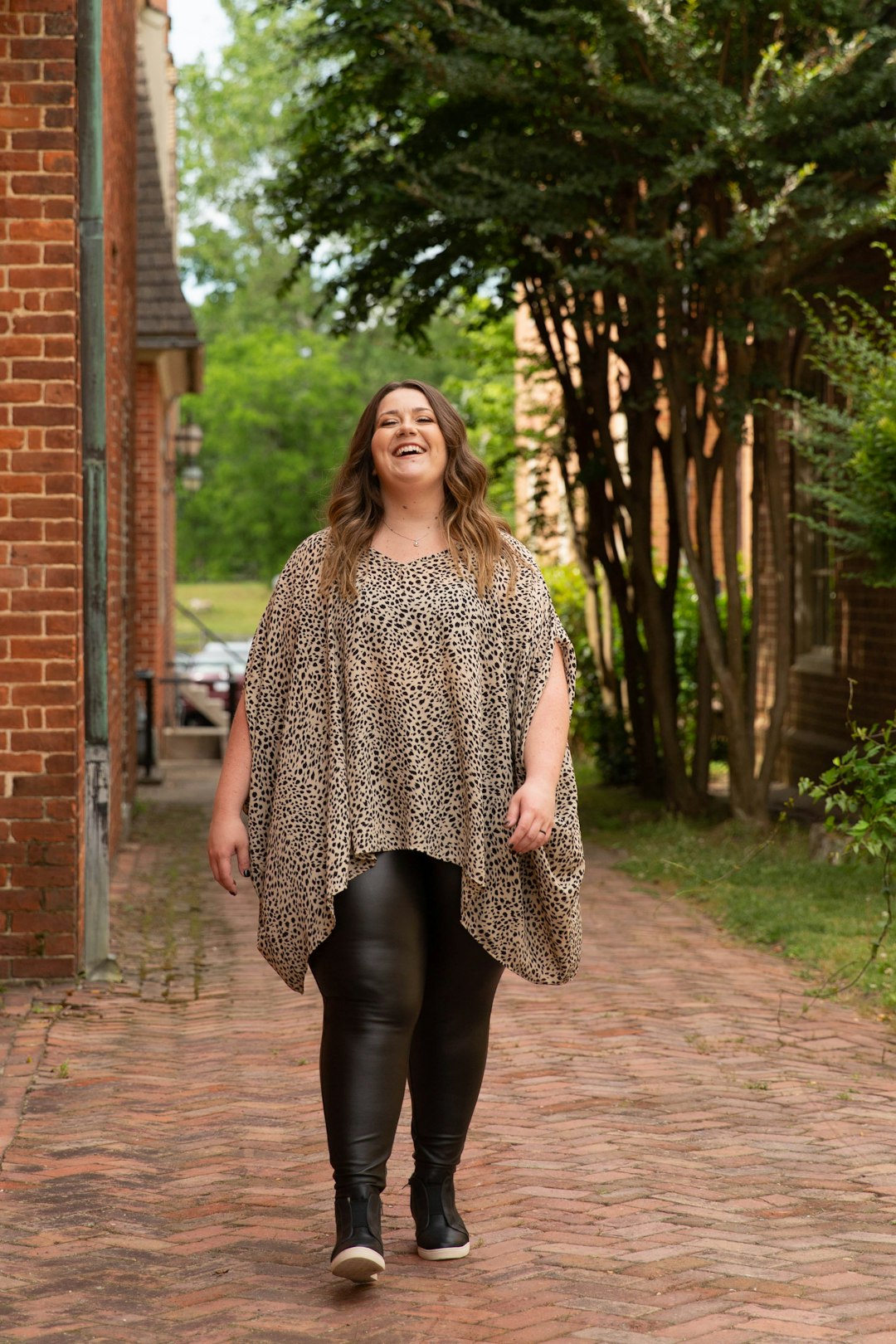
The opportunity for fashion plus size models is disappearing at an astonishing speed. During the spring/summer 2020 season, 86 plus-size models walked the runways throughout all four major cities, accounting for 2.8% of all models. By spring/summer 2025, it had plummeted. Commercial success grows, but highly expressiveness is inconsistent.
The report warns that by 2035, more than half the world’s population, nearly 4 billion, will tackle the issue of overweight or obesity, and the fashion industry’s strategy is evolving in response to these global changes. Demographic trends suggest that plus-size markets will only continue to expand, and that current investments appear to be foresight rather than risky.
The plus-size fashion business undoubtedly flourishes in 2025, with strong financial growth, innovation and expanding global reach. Cultural headwinds, centered around body positivity, create some complexity, but the commercial fundamentals continue to be strong. Companies that continue to invest in this sector are placing themselves in order to acquire value from one of the most dynamic and underserved segments in fashion. What are the technologies that drive this growth and what cultural forces are reshaping the standards of beauty?
Source: The Curvy Fashionista – thecurvyfashionista.com


