



As New York Fashion Week approaches, we already know what headlines are likely to follow. Another round detailing how few plus-size bodies walked the runway. Another set of graphs and percentages confirms what many of us already feel in our bones. It’s another reminder that fashion progress is not linear.
Numbers are important, but so is how you prepare to receive them.
For decades, screens and runways offered only narrow scripts. We were funny best friends. A warning story. Previous photo. Fashion and media have trained us to accept the crumbs and call it inclusion.
But in 2026, that script is being actively challenged. Media representations of plus sizes are starting to reflect real life: layered, fun, messy, stylish, ambitious, and human. We’re not particularly where we should be on the runway, but we also no longer need to act as if visibility is enough.
We have moved beyond being grateful for just being there and into a space of asking better questions. Who will get the luxury? Who will get the softness? Who is complex without conditions? Representation today means not just being seen, but being seen precisely.
As the media landscape expands, so does the need to intentionally engage with the media. This isn’t a conversation to stop you from loving fashion, media, and digital culture. This is to help our customers stay grounded, informed and protected while the industry continues to find its own way. Media representation of plus sizes is evolving, and the ways we choose to do so are evolving accordingly.
Receipt for where we actually are
The current state of plus-size media representation is a mix of real progress and stubborn residue. Yes, we are seeing more and more bodies that look like ours in movies, TV, and advertising. But the same well-worn metaphors still crop up. Fat suit joke. A weight loss storyline depicted as personal growth. Plus-size characters exist without romance, ambition, or depth.
Progress is worth celebrating, but breadcrumbs are not. Supporting media that treats plus-size characters as fully realized human beings is one of the most effective ways to move culture forward. Visibility without dignity is not the goal.
Don’t let the scroll steal your soul
Social media is a mix of affirmation and exhaustion. One empowering post can be immediately followed by a wellness ad designed to sow doubt.
Deliberate scrolling is not avoidance, but self-preservation. When food culture language starts invading your feed, mute or block it. Tell the algorithm that you are not interested. Use time limits when comparison fatigue sets in.
Algorithms don’t know your worth. Don’t let it define how you feel about yourself.
Curation is strategic, not shallow.
Body positivity has changed the culture, but even that space can feel heavy when it comes to different expectations. It is not necessary to love your body every day. Sometimes neutrality is more honest and sustainable.
Follow creators who discuss body image along with race, disability, gender, and class. Save the content that supports your case. Create a joy folder for those days when you want to be reminded of who you are. Don’t just consume, use the comments section to connect.
Your feed should feel like a community, not a pressure.
Influencers are driving the representation we actually see
While traditional media continues to play catch-up, plus-size influencers have been quietly changing the game. They’ve shown us that plus-size people can date, travel, raise children, build businesses, rest, style boldly, and live full lives without making apologies.
This is real-time plus-size media representation. It is unfiltered, self-directed, and expansive. Follow creators whose interests and lives align with yours, as well as your standards. Diversify your feed to suit body types, aesthetics, and experiences. And if a creator no longer helps your mental health, it’s okay to unfollow them.
Expression should make your world feel bigger, not smaller.
spend your time as you wish
Brands now understand that the plus-size community has significant purchasing power, but marketing language doesn’t always reflect true inclusion. Think deeper before committing to a comprehensive campaign. What is the full size range? Are plus size bodies always featured or only at certain moments?
Read reviews from other plus size shoppers. We support brands that design with intention, not obligation. Whenever possible, invest in plus-size businesses that respect your body and your budget.
Spending intentionally is one of the clearest ways to demand better plus-size media representation.
Protect your spiritual penthouse
Expression affects mental health in ways we don’t necessarily name. Lack of visibility can silently intensify feelings of isolation and invisibility.
Protecting your inner world might mean seeking out books, podcasts, and essays created by plus-size voices. That might mean working with a therapist who understands weight stigma. It might mean practicing kindness instead of judgment when looking in the mirror.
Your mental health is not optional. That’s basic.
Fashion, runways, and reality checks
Perhaps we will as New York Fashion Week rolls around. look at the report again This highlights the continued lack of size diversity on the runway. That reality can be disappointing, especially when personal style and self-expression mean a lot to us.
The underlying truth is: The runway is still catching up to the sidewalk.
Fashion Week continues to be delayed, but real-world style is more expressive, experimental, and more inclusive than ever. Designers are gradually moving towards a fit-oriented, size-agnostic approach. Consumers are rewriting the rules by tailoring their clothes, ignoring arbitrary size charts, and wearing what actually feels good.
Fashion is not about achieving beauty or waiting for recognition from an industry that is still in transition. It’s about expression, joy, and ownership. We support designers who demonstrate consistency in inclusive casting. Invest in clothes that respect your body as it is. Treat style as a playground, not a test.
Use technology without being used by technology
Technology has the power to expand our possibilities and deepen our anxieties. AI filters, virtual fitting rooms, and digital tools can support exploration and encourage perfectionism.
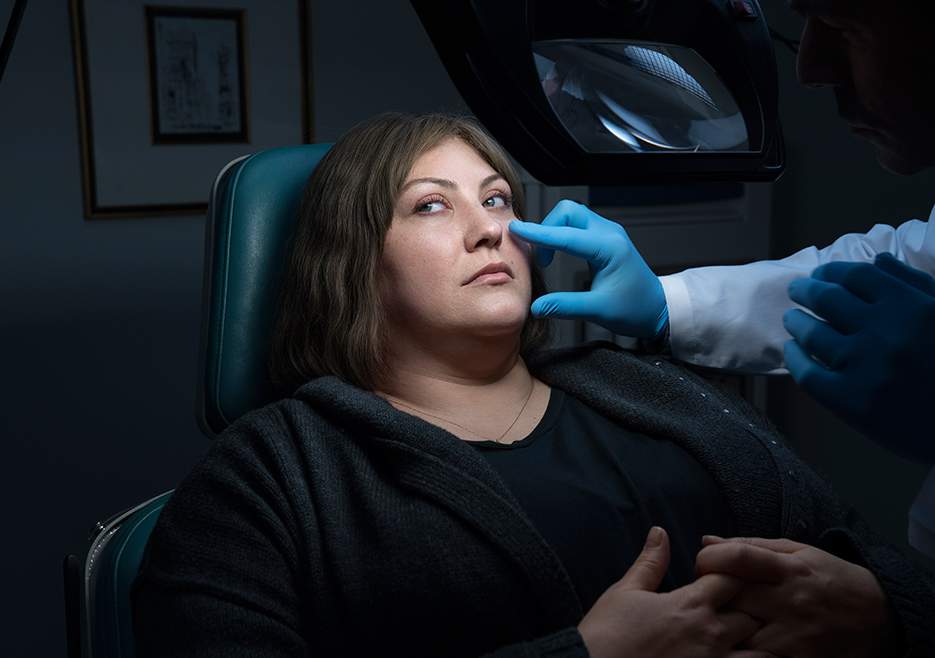
Use anxiety-reducing tools like virtual try-ons and recommendations from the community. Avoid filters that distort features beyond recognition. Follow creators who criticize AI-generated bodies and unrealistic standards.
Technology is a tool, not a truth teller. You are in control.
where do we go from here
Plus size media representation is still a work in progress, but we no longer have to wait for permission to exist. We’re building our own platform, amplifying our own stories, and setting new standards in real time.
Every show you stream, creators you follow, and brands you support send you a message. Be intentional. Let’s protect your peace. Choose expressions that reflect your fullness, not just size.
Your joy, confidence, and mental health are non-negotiable. And shaping the future of plus-size media representation begins with what we allow into our lives now.
What shows, creators, or platforms are providing the most authentic plus-size media representation these days? Share in the comments and join in!
Source: The Curvy Fashionista – thecurvyfashionista.com


